
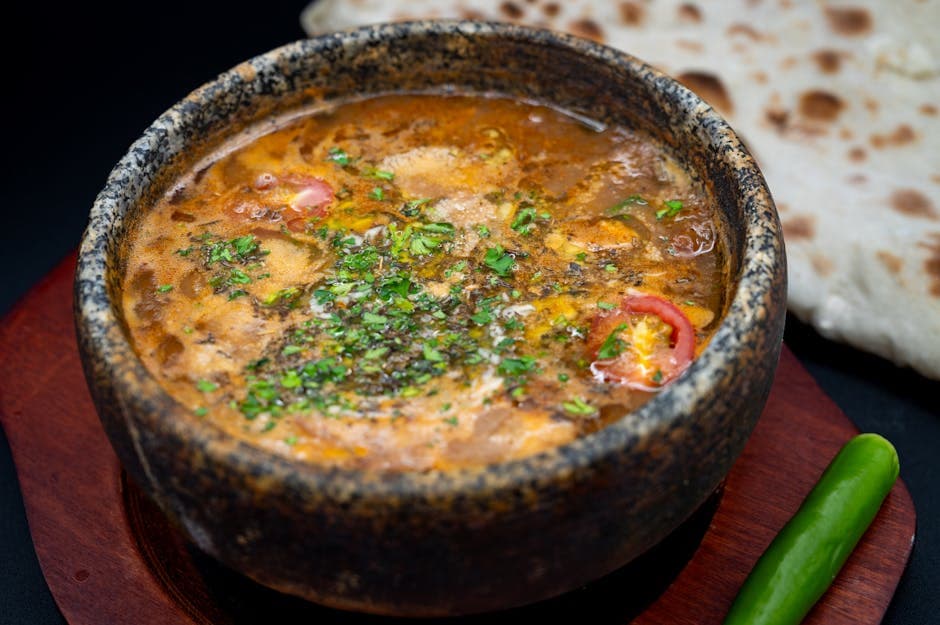
ペピアン(グアテマラ産かぼちゃの種とチキンのチリシチュー)
グアテマラの国民料理:ローストしたカボチャの種、ゴマ、乾燥唐辛子、トマティーロの複雑なソースで鶏肉を煮込んだもの。
このレシピについて
ペピアンは、グアテマラ料理の中で最も典型的なマヤ・スペイン料理です。トーストしたカボチャの種(ペピタス)、ゴマ、そして 3 種類の乾燥唐辛子(グアヒージョ、パシージャ、チリザンボ)をベースに作られた濃厚なテラコッタ色のシチューです。種子と唐辛子を煙が出るまでコーマルで乾煎りし、焦がしたトマト、トマティージョ、ニンニク、スパイスと一緒にソースを作り、煮込むにつれて濃くなるソースを作ります。小麦粉もコーンスターチも使わず、トーストした種子の自然なボディだけを使用します。次に、鶏肉をこのソースで、スモーキーで穏やかにスパイシーで独特のナッツの風味が肉に吸収されるまで煮込みます。ペピアンは大切なゲストのために作る料理で、2007 年にグアテマラの無形文化遺産に登録されました。ご飯とコーントルティーヤが添えられ、残った料理は翌日にはなぜかさらに美味しくなります。
材料
サービスします 6
- 1丸鶏(1.4kg)を8等分に切ります。
- 2黄玉ねぎ、半分に切る
- 2月桂樹の葉
- 1.2 L水
- 1.5 大さじ細かい塩、分割
- 100 g生の殻付きカボチャの種(ペピタス)
- 30 g生ゴマ
- 3茎と種を取り除いた乾燥グアヒージョ唐辛子
- 2茎と種を取り除いた乾燥パシラ唐辛子
- 1乾燥チポトレ唐辛子、茎付き(またはあればチリザンボ)
- 4 中熟したトマト
- 4トマティージョ、皮をむき、洗ったもの
- 1頭ニンニク、クローブを分けて皮をむく
- 1シナモンスティック
- 4クローブ丸ごと
- 1 小さじ挽いた黒胡椒
- 1コーントルティーヤの小さなスライス、トースト(秘密の増粘剤)
- 2 大さじ植物油
手順
- 1
鶏肉をポーチする
大きな鍋に鶏肉、玉ねぎ1個(半分)、月桂樹の葉、水、塩小さじ1を入れます。沸騰させ、完全に火が通るまで25分間煮ます。鶏肉を取り出し、スープを確保します。約 800 ml が必要です。
- 2
種子をトーストする
乾いた重いフライパンまたはコーマルで中火にかけ、カボチャの種をかき混ぜながら、膨らみ、淡い黄金色になるまで4分間トーストします。ボウルに注ぎます。ゴマも同様に繰り返します。所要時間はわずか 2 分です。組み合わせる。
種は焦げるのではなく、トーストする必要があります。焦げた種はソース全体を台無しにしてしまいます。弾けたらすぐに火から下ろします。
- 3
唐辛子をトーストする
同じフライパンで、唐辛子を片面10秒間、膨らませてスモーキーな香りがするまで平らに押します。それらを黒くしないでください。 250mlの熱いチキンスープに15分間浸します。
- 4
野菜を焦がす
同じフライパンでトマト、トマティージョ、残りの玉ねぎ、ニンニクを裏返しながら、全体に黒い斑点が見えるまで8〜10分間焦がします。スモーキーな風味はここから生まれます。
- 5
ソースをブレンドする
トーストした種子、スープに浸した唐辛子、焦げた野菜、シナモンスティック、クローブ、コショウ、トーストしたトルティーヤ、そしてさらに300mlのチキンスープをブレンダーで混ぜ合わせます。完全に滑らかになるまで、強で2分間ブレンドします。
1 分間ではなく 2 分間ブレンドすることで、ペピアン特有の絹のような質感が生まれます。
- 6
炒めてソースを減らす
厚手の鍋に油を中火で熱します。ブレンドしたソースを注ぎます(飛び散るので、蓋を手元に置いてください)。中程度に下げ、ソースの色が濃くなり、目に見えて濃くなるまで、頻繁にかき混ぜながら12分間調理します。
- 7
鶏肉とスープを加えます
さらに300mlのチキンスープと残りの塩を加えます。鶏肉を鍋に戻します。ソースがスプーンの裏を覆い、鶏肉に艶があり、完全に味が染み込むまで、部分的に蓋をして25分間煮ます。
- 8
サーブ
シナモンスティックを引き抜きます。深めのボウルに鶏肉を盛り付け、お玉でソースをたっぷりとかけて、白米と温かいコーントルティーヤを添えます。
作ってみましたか?
評価すると、本当に使えるレシピを他の人が見つけやすくなります。
ワンタップでログインすれば、いま選んだ評価をそのまま保存します。
1週間の献立づくりに必要なすべて — 無料
- 献立カレンダー
- 買い物リスト
- AIレシピ提案
ハンズフリーで料理
無料のBentoアプリで、AI献立プラン、手順ごとの調理モード、保存したレシピを利用できます。
プロのヒント
- →
トーストしたトルティーヤを省略しないでください。奇妙に聞こえるかもしれませんが、これは伝統的な増粘剤であり、明らかにペピアンのような微妙なトーストしたコーンの香りを加えます。
- →
チリザンボは最も本格的な第 3 の唐辛子ですが、グアテマラ国外で見つけるのはほぼ不可能です。チポトレはそのスモーキーな深みに最も近い代替品です。
- →
ソースが油を激しく分解する場合は、最後に温かいスープ 50 ml を加えて再乳化し、コーティングの粘稠度まで薄めます。
バリエーション
- •
ペピアン・デ・インディオ:鶏肉を牛肉に置き換え(肩肉を使用し、90分間煮る)、よりお祝いのキチェ・マヤバージョンにします。
- •
ステップ 7 で 200 g の角切りジャガイモまたはハヤトウリを追加します。グアテマラの高地バージョンでは一般的です。
- •
ベジタリアン:鶏肉を省略し、野菜スープを使用し、ローストしたニンジン、ハヤトウリ、ひよこ豆を加えます。ソースの時間を8分に短縮します。
ストレージ
冷蔵で 4 日間 - 一晩で風味が目に見えて良くなります。だし汁をかけて軽く再加熱してほぐします。 2か月凍結。再加熱する前に冷蔵庫で一晩解凍してください。
歴史と起源
ペピアンは記録に残る最古のマヤ料理の 1 つで、スペインとの接触よりずっと前、コロンブス以前のキチェ マヤ料理に種子とチリソースが登場しました。チキンとトマトのバージョンは征服後に進化しました。ユネスコとグアテマラ文化省は、2007 年にペピアンをグアテマラの無形文化遺産の一部として宣言しました。
よくある質問
ペピアンとモグラの違いは何ですか?
どちらも種子とチリソースですが、モーレ(特にオアハカ)には通常、チョコレートやその他多くの材料が含まれています。ペピアンはよりクリーンでスモーキーで、種子の風味が優勢で、より古く、よりマヤに根ざした料理です。
スーパーで売られている生のかぼちゃの種を使ってもいいですか?
はい、殻をむいていて、塩を加えず、事前にローストしていないことを確認してください。事前にローストした種子は、トーストステップ中に焦げます。
なぜトーストしたトルティーヤがソースに入っているのですか?
これは伝統的なマヤの増粘剤で、トウモロコシベースでグルテンフリーで、かすかにスモーキーなトーストの香りが加わります。これがないとソースがやや薄くなり、味が中途半端になってしまいます。
栄養成分表
1回分あたり (380g) · 6 合計サービング数
時間の概要
他のGuatemalanレシピ
こちらもおすすめ
世界の他の料理から、似た一皿。
無料のキッチンツール
このページと一緒に使える計算ツールと単位変換ツール(登録不要)。
献立に組み込む
カレンダーに入れて、買い物リストを作り、手持ちの食材を管理。
次に読む
この料理の背景を掘り下げた読み物。
コミュニティ
会話に参加する
サインインしてコメントを残し、お気に入りのレシピを保存してください