
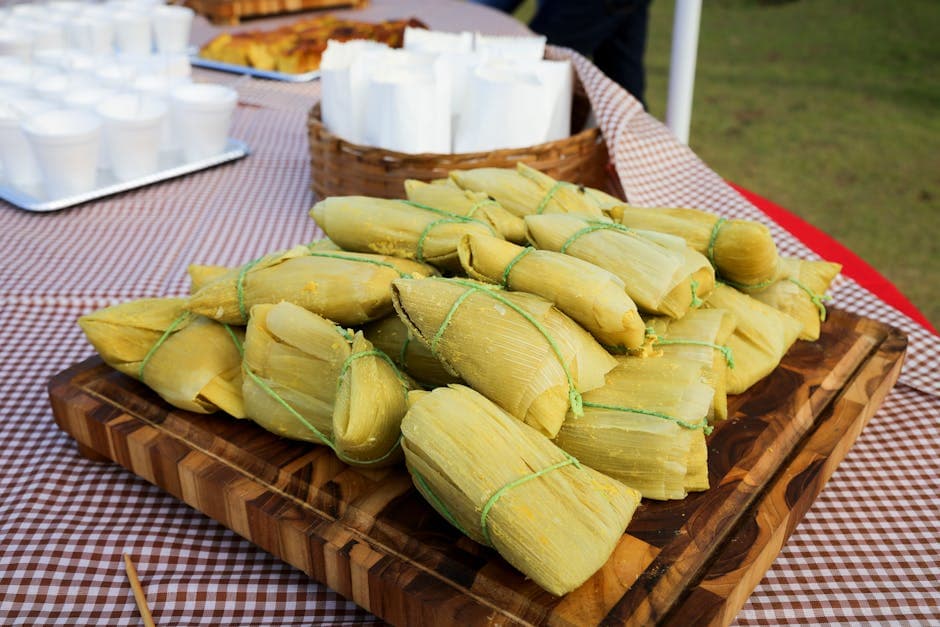
나카타말(니카라과 일요일 타말레)
니카라과의 그랜드 선데이 타말레 - 마사, 돼지고기, 쌀, 감자, 민트를 바나나 잎으로 싸서 몇 시간 동안 쪄낸 요리입니다.
이 레시피 정보
푸푸사가 엘살바도르의 일상 빵이라면 나카타말은 니카라과의 일요일 축제입니다. 멕시코 사촌보다 훨씬 크며(각 무게는 거의 0.5kg) 나카타말은 뼈가 있는 돼지고기 조각, 감자 조각, 빨간 피망 조각, 올리브, 건포도 몇 개, 신선한 민트(예르바부에나) 장식, 미리 조리된 약간의 쌀로 포장된 라드가 풍부한 마사 벽돌입니다. 모두 바나나 잎 두 겹으로 싸서 끈으로 묶어 최소 3시간 동안 찐 것입니다. 결과는 타말레가 너무 많아서 주말 아침에 빵, 달콤한 커피, 오렌지 주스 한 잔과 함께 두 끼를 식사로 먹을 수 있습니다. 타말레를 만드는 것은 여러 시간 동안 가족이 하는 일이기 때문에 평일에는 절대 먹지 않습니다. 민트는 니카라과 나카타말을 다른 중미 타말레와 구별하는 놀라운 향입니다. 민트의 시원한 향이 라드와 돼지고기의 풍부함을 높여줍니다.
재료
서브 8
- 1 kg마사 하리나, 마세카 브랜드
- 300 g녹인 라드(야채가 아닌 렌더링된 돼지기름 사용)
- 1.2 L따뜻한 닭고기 또는 돼지고기 육수
- 1 중간육수에 섞인 흰 양파
- 4 쪽육수에 섞인 마늘
- 1 작은술색깔을 위한 지상 아키오테(아나토)
- 1 큰술좋은 소금
- 1.2 kg8개의 큰 덩어리로 자른 돼지고기 어깨살(뼈가 있는 조각 선호)
- 1 큰술신 오렌지 주스(naranja agria) 또는 50/50 라임과 오렌지
- 1 작은술지상 커민
- 1 컵흰 장립 쌀, 5분 동안 삶아 물기를 뺀다
- 3 중간껍질을 벗겨 1cm 크기로 둥글게 자른 왁시 감자
- 2 중간붉은 피망, 16줄로 자른다
- 16그린 올리브
- 60 g건포도
- 16 가지페퍼민트가 아닌 신선한 예르바부에나(스피어민트)
- 8 큰바나나 잎, 안감용 추가
- 부엌에서 묶는 끈
조리법
- 1
돼지고기를 마리네이드한다
돼지고기 덩어리에 신 오렌지 주스, 커민, 소금 반, 다진 마늘 한 쪽을 넣고 버무립니다. 최소 2시간 이상, 바람직하게는 밤새 냉장 보관하세요.
- 2
바나나잎을 준비해주세요
각 잎사귀를 화염이나 뜨겁고 건조한 프라이팬 위에 잠시 통과시키면 윤기가 나고 부드러워집니다. 30×35cm 직사각형으로 자릅니다. 타말레당 2개가 필요합니다.
- 3
마사를 만들어라
마사 하리나를 남은 소금과 아키오테와 결합합니다. 녹인 라드를 넣고 섞은 다음 양념한 육수(양파-마늘 혼합)를 점차적으로 첨가합니다. 부드러운 으깬 감자처럼 두껍지만 퍼지는 반죽을 원합니다. 가볍고 부드러워질 때까지 5분 동안 치십시오. 이는 부드러운 마사에 매우 중요합니다.
- 4
스테이션 설정
타말레당 바나나 잎 직사각형 두 개를 수직으로 교차하여 배치합니다. 각 쌍의 중앙에 15cm 원형으로 펼친 마사 한 컵, 그 위에 돼지고기 조각, 감자 조각, 후추 조각, 올리브 2개, 작은 건포도 더미, 데친 쌀 한 스푼, 민트 잔가지 2개를 놓습니다.
- 5
접어서 묶으세요
아래쪽 잎을 충전재 위로 접은 다음 측면을 안으로 접은 다음 위에서 아래로 접어서 약 12×8cm 크기의 밀봉된 패킷을 만듭니다. 추가 보안을 위해 두 번째 잎을 첫 번째 잎과 수직으로 감습니다. 끈으로 양쪽 방향으로 단단히 묶어 십자형을 만듭니다.
- 6
스팀으로 쌓기
남은 바나나 잎 조각과 몇 개의 나무 젓가락을 십자 모양으로 큰 냄비 바닥에 깔아줍니다(타말레가 물에 닿지 않도록 하기 위해). 타말레를 똑바로 쌓으세요. 타말레 옆면의 3분의 1이 되도록 물을 추가합니다.
- 7
스팀 3시간
뚜껑을 단단히 덮고 무거운 접시로 뚜껑을 덮은 다음 중약불에서 3시간 동안 쪄주세요. 45분마다 물을 확인하고 필요에 따라 끓는 물을 보충하십시오. 절대로 건조하게 두지 마십시오.
- 8
개봉 전 휴식
불을 끄고 냄비를 밀봉한 채로 20분 동안 그대로 두세요. 타말레를 풀면 즉시 더 부드럽고 질긴 마사가 나옵니다. 휴식을 취하면 단단해집니다.
- 9
서브하다
개봉하지 않은 각 타말레를 접시에 놓습니다. 각 식사하는 사람은 포크를 사용하여 잎에서 직접 먹으며 자신의 것을 풀었습니다. 빵, 달콤한 커피, 오렌지 주스와 함께 제공됩니다.
직접 만들어 보셨나요?
평가를 남기면 다른 분들이 정말 잘 되는 레시피를 찾는 데 도움이 됩니다.
한 번만 로그인하면 방금 선택한 평점을 그대로 저장해 드립니다.
일주일 식단 계획에 필요한 모든 것 — 무료
- 식단 캘린더
- 장보기 목록
- AI 레시피 추천
먹은 음식을 기록하세요
무료 SnapCal 앱에서 식사 사진으로 칼로리와 영양소를 기록하고, 단식 타이머와 물 섭취 기록도 사용하세요.
전문가의 팁
- →
예르바부에나(스피어민트)는 필수적이고 페퍼민트와 구별됩니다. 더 부드러운 향은 니카라과 나카타말과 온두라스 또는 과테말라 타말레를 정의합니다.
- →
식물성 쇼트닝이 아닌 돼지기름이 정통과 근사의 차이입니다. 식물성 지방은 맛이 밋밋하고 아치오테 색상을 같은 방식으로 나타내지 않습니다.
- →
5분 동안 마사를 두드리는 것을 건너뛰지 마십시오. 덜 두드린 마사가 밀도 있고 끈적끈적하게 요리됩니다. 적절하게 두드린 마사는 물컵에 떨어뜨리면 뜹니다.
변형
- •
레온 스타일은 토마토 슬라이스를 추가하고 건포도를 건너뜁니다.
- •
마나과 도시 버전은 더 붉은 색을 내기 위해 마사에 토마토 소스를 혼합하여 사용합니다.
- •
채식주의자: 돼지고기 대신 두꺼운 스쿼시 조각을 넣고 민트 장식을 추가합니다.
저장
포장된 타말레는 냉장보관 5일 동안 보관됩니다. 25분간 다시 쪄서 부활하세요. 최대 3개월 동안 동결; 냉동 상태에서 증기를 내어 45분을 추가합니다.
역사와 유래
나카타말레는 스페인과 접촉하기 전 메소아메리카 전역에 기록된 콜럼버스 이전의 나후아(Nahua)와 초로테가(Chorotega)의 옥수수와 사냥감 고기 소포의 후손입니다. 스페인의 첨가물인 돼지고기, 건포도, 올리브(지중해 식재료)는 원주민 타말을 오늘날 니카라과 사람들이 먹는 축제 형태로 변형시켰으며, 18세기 식민지 시대의 레온과 그라나다에서 현재의 형태로 확립되었습니다.
자주 묻는 질문
내 마사가 밀도가 높은 이유는 무엇입니까?
두 가지 일반적인 원인은 라드-마사 혼합물에 충분한 공기를 넣지 않았거나(케이크 반죽처럼 푹신해야 함), 증기가 부족하고 마사가 너무 천천히 익는 것입니다. 최소 5분 정도 끓이고 45분마다 물을 확인하세요.
바나나 잎 대신 옥수수 껍질을 사용해도 되나요?
그럴 수 있지만 요리가 바뀌게 됩니다. 바나나 잎은 nacatamal의 정체성의 일부인 차와 같은 향기를 전달합니다. 옥수수 껍질은 멕시코 특성을 더 많이 부여합니다. 꼭 해야 한다면 이중으로 포장하고 액체 연기 몇 방울을 추가하여 잎의 맛을 흉내내세요.
나카타말은 멕시코 타말과 어떻게 다릅니까?
멕시칸 타말레는 작은 크기(80~120g)로 옥수수 껍질로 싸서 1시간 동안 찐다. 나카타말레는 크기가 크며(400~500g) 바나나 잎으로 싸여 있고 쌀과 민트가 들어 있으며 3시간 동안 쪄집니다. 그들은 각각 식사 반입니다.
신 오렌지(naranja agria)를 찾을 수 없으면 어떻게 하나요?
신선한 오렌지 주스와 신선한 라임 주스를 같은 비율로 섞고 오렌지 껍질을 조금 넣으세요. 이 조합은 니카라과 요리에 사용되는 세비야 신 오렌지의 씁쓸하고 달콤한 신맛을 모방합니다.
영양성분표
서빙 당 (480g) · 8 총 제공량
시간 요약
더 많은 Nicaraguan 레시피
이런 것도 좋아하실 거예요
세계 다른 요리에서 찾은 비슷한 음식.
무료 주방 도구
이 페이지와 함께 쓰는 계산기와 단위 변환기 — 가입 없이 이용 가능.
식단 계획으로 옮기기
캘린더에 넣고, 장보기 목록을 만들고, 가진 재료를 관리하세요.
이어서 읽기
이 요리의 배경을 깊이 다룬 긴 글.
커뮤니티
대화에 참여하세요
댓글을 남기고 좋아하는 레시피를 저장하려면 로그인하세요.