
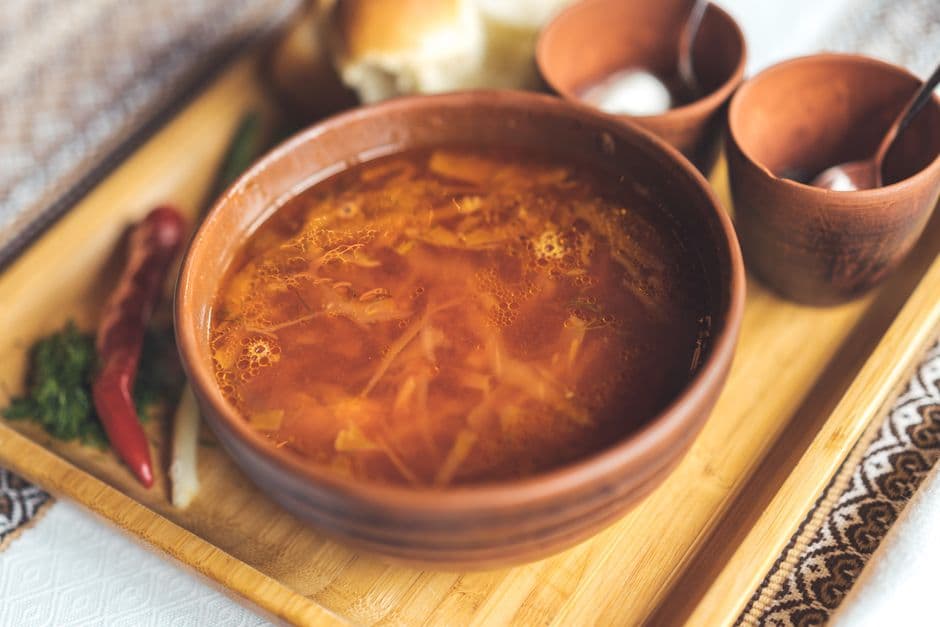
Aibika Soup (Slippery Cabbage Soup)
A nourishing green soup made from aibika leaves — Papua New Guinea's 'slippery cabbage' — cooked in coconut broth with garlic and ginger.
About This Recipe
Aibika (Abelmoschus manihot), commonly called 'slippery cabbage' for its okra-like mucilaginous texture when cooked, is one of the most nutritionally important leafy vegetables in Papua New Guinea and the wider Pacific. Rich in iron, calcium, and vitamins, it is a dietary staple in both rural villages and Port Moresby households. The leaves are cooked briefly in coconut milk broth with aromatics, producing a green soup with a silky, slightly viscous consistency from the natural mucilage of the leaves. This is honest, everyday PNG home cooking at its most nourishing.
Ingredients
Serves 4
- 300 gfresh aibika (slippery cabbage) leaves, or okra leaves or spinach
- 400 mlcoconut milk
- 500 mlvegetable or chicken stock
- 3 clovesgarlic, minced
- 1 tspfresh ginger, grated
- 1medium onion, diced
- 1 tbspcoconut oil
- 1 tspsalt
Instructions
- 1
Sauté aromatics
Heat coconut oil in a saucepan over medium heat. Add onion, garlic, and ginger. Cook for 5 minutes until softened and fragrant.
- 2
Add stock
Pour in the stock and bring to a gentle simmer.
- 3
Cook leaves
Add the aibika leaves and simmer for 8–10 minutes until completely wilted and tender. Do not overcook — the leaves should retain a bright green colour.
- 4
Finish with coconut milk
Stir in coconut milk and simmer for 3 minutes. Season with salt and serve hot with boiled sweet potato or steamed rice.
Did you make this?
Rate it and help other cooks find the recipes that actually work.
One tap to sign in, and we'll save the rating you just picked.
Everything you need to plan your week — free
- Meal calendar
- Grocery list
- AI recipe ideas
Cook this hands-free
Get AI meal plans, step-by-step cooking mode, and your saved recipes in the free Bento app.
Pro Tips
- →
If aibika is unavailable, substitute spinach — though the thickening effect of aibika's natural mucilage won't be replicated.
- →
Young tender leaves are best — older leaves can be tough.
- →
Do not boil vigorously after adding coconut milk as it can curdle.
- →
Taste and adjust salt at the very end — flavors concentrate as liquids reduce, and a final pinch of flaky salt sharpens the whole dish.
Variations
- •
Add cubed tofu for protein.
- •
Stir in a tablespoon of peanut butter for a West African-inspired twist.
- •
Add cooked chicken or prawns in the last 5 minutes.
- •
Vegetarian: swap the protein for roasted king oyster mushrooms, smoked tofu or cooked chickpeas — adjust seasoning slightly upward to compensate.
Storage
Refrigerate for up to 2 days. The soup thickens on standing — thin with stock when reheating.
History & Origin
Aibika has been cultivated in Papua New Guinea and the Pacific for thousands of years, valued as much for its medicinal properties as its nutritional value. It is believed to aid wound healing and boost immunity, earning it a revered status in village communities.
Frequently Asked Questions
What makes aibika soup 'slippery'?
The leaves contain natural mucilage (similar to okra), which gives the soup a slightly viscous, silky consistency. This is entirely normal and desirable.
Can I make this ahead of time?
Yes — most of the components can be prepared up to a day in advance and refrigerated separately. Reheat gently and assemble just before serving so textures stay distinct.
What can I substitute if I don't have all the ingredients?
Stay close to the role each ingredient plays: swap aromatics for similar ones (shallot for onion, lime for lemon), and keep the fat-acid-salt balance intact. Spice blends can usually be approximated with what's in the cupboard.
How do I know it's authentic?
Authenticity sits on a spectrum — what matters more is honoring the technique and balance of flavors. If the dish tastes harmonious and respects how cooks in its home region would build it, you're on solid ground.
Nutrition Facts
Per serving (280g / 9.9 oz) · 4 servings total
Time Summary
Have Questions?
Ask our AI cooking assistant anything about this recipe — substitutions, techniques, scaling.
Chat with AI Chef →More Papua-new-guinean Recipes
You Might Also Like
Similar dishes from other cuisines around the world.
Free Kitchen Tools
Calculators and converters that pair with this page — no signup needed.
Put This Into a Plan
Schedule it, shop for it, and track what you already have.
Read Next
Longer reads that go deeper on the ideas behind this dish.
Community
Join the conversation
Sign in to leave a comment and save your favourite recipes