
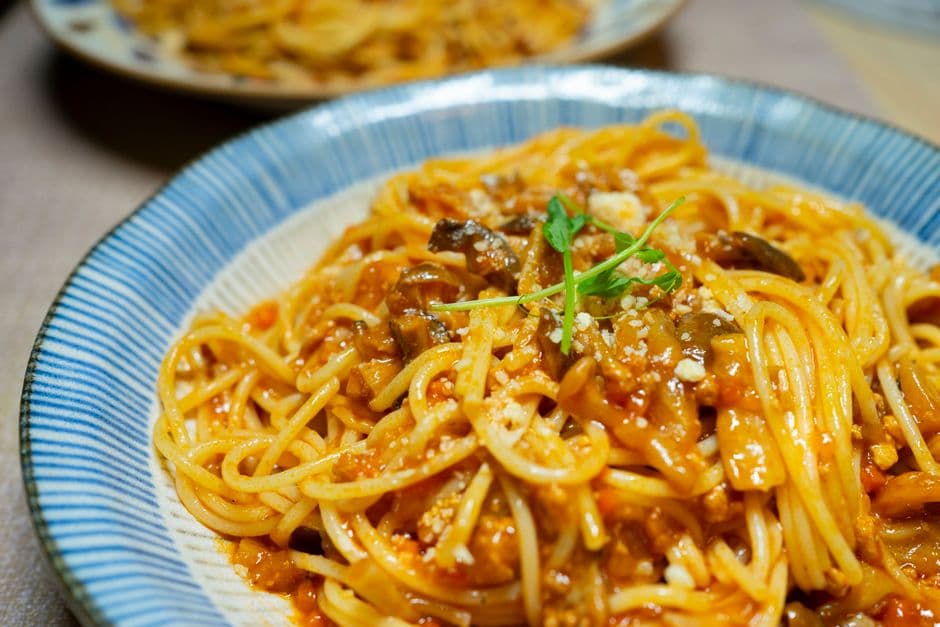
Pasta con Acciughe
Southern Italian pasta tossed with anchovies, garlic, chili, and toasted breadcrumbs for a savory, umami-rich dish.
About This Recipe
Pasta con acciughe is a humble, intensely flavorful Southern Italian dish built around the deep umami of anchovies melted into warm olive oil. A staple of cucina povera, it transforms a pantry of inexpensive ingredients into something deeply satisfying. The anchovies dissolve completely into the garlic-and-chili-infused oil, creating a savory backbone that coats every strand of spaghetti without tasting fishy. A scattering of toasted breadcrumbs, often called pangrattato or the poor man's parmesan, adds essential crunch and replaces the cheese that traditionally is not served with seafood pasta in Italy. Fresh parsley and a squeeze of lemon brighten the richness. Ready in about 20 minutes, it's a perfect weeknight dinner that proves restraint and quality ingredients beat complexity.
Ingredients
Serves 4
- 400 gspaghetti or bucatini
- 10 filletsoil-packed anchovies(drained)
- 5 tbspextra virgin olive oil
- 4 clovesgarlic(thinly sliced)
- 1 tspred pepper flakes
- 80 gcoarse breadcrumbs
- 1/4 cupflat-leaf parsley(chopped)
- 1/2 lemonlemon(for zest and juice)
- to tastesalt and black pepper
Instructions
- 1
Boil the pasta
Bring a large pot of well-salted water to a boil and cook the spaghetti until just shy of al dente, about 1 minute less than package time. Reserve a cup of starchy pasta water before draining.
Slightly undercook; the pasta finishes in the sauce.
- 2
Toast the breadcrumbs
In a dry skillet over medium heat, toast the breadcrumbs with a drizzle of olive oil for 3 to 4 minutes until golden and crisp, stirring constantly. Tip onto a plate and set aside so they stay crunchy.
- 3
Melt the anchovies
Warm the olive oil in the same skillet over low heat, add the anchovy fillets, and stir for 2 to 3 minutes until they fully dissolve into the oil. This is the flavor base, so keep heat gentle to avoid bitterness.
Mash the fillets with a wooden spoon to help them break down.
- 4
Bloom garlic and chili
Add the sliced garlic and red pepper flakes, cooking 1 to 2 minutes until the garlic turns pale gold and fragrant. Don't let it brown or it will taste harsh.
- 5
Toss the pasta
Add the drained pasta to the skillet with a splash of reserved pasta water. Toss vigorously over medium heat for 1 to 2 minutes until the sauce emulsifies and clings to every strand.
Add water a little at a time to build a glossy, coating sauce.
- 6
Finish and serve
Off the heat, stir in parsley, lemon zest, and a squeeze of juice. Plate and top generously with the toasted breadcrumbs and a crack of black pepper. Serve immediately while hot and crisp.
Did you make this?
Rate it and help other cooks find the recipes that actually work.
One tap to sign in, and we'll save the rating you just picked.
Everything you need to plan your week — free
- Meal calendar
- Grocery list
- AI recipe ideas
Track what you eat
Snap your meal to log calories and macros, run fasting timers and track water in the free SnapCal app.
Pro Tips
- →
Use good oil-packed anchovies; they melt smoother than salt-packed ones.
- →
Skip the cheese; Italians traditionally don't pair parmesan with seafood pasta.
- →
Reserve plenty of pasta water; it's key to a silky, emulsified sauce.
- →
Toast breadcrumbs separately so they stay crunchy until serving.
- →
Add a pinch of sugar if your anchovies taste overly sharp.
Variations
- •
Add a handful of capers and chopped olives for a puttanesca-leaning version.
- •
Stir in a spoonful of tomato passata for a richer red sauce.
- •
Toss in toasted pine nuts and raisins for a Sicilian sweet-savory twist.
- •
Add sauteed cherry tomatoes for freshness and color.
Storage
Best eaten fresh, but leftovers keep 2 days refrigerated. Reheat gently with a splash of water; add fresh breadcrumbs to restore crunch.
History & Origin
This dish belongs to cucina povera, the resourceful peasant cooking of Southern Italy. Toasted breadcrumbs, the so-called poor man's parmesan, stood in for cheese that poorer families could not afford, while preserved anchovies provided affordable, lasting flavor.
Frequently Asked Questions
Will this pasta taste fishy?
No, when anchovies melt slowly into warm oil they dissolve into a savory, umami richness rather than a strong fish flavor. Most people who dislike anchovies enjoy this dish because the fillets disappear entirely into the sauce.
Why no cheese on top?
In Italian tradition, hard cheeses like parmesan are not served with seafood pasta because they overpower delicate marine flavors. Toasted breadcrumbs provide the savory crunch instead, which is the authentic finishing touch for this dish.
Can I use anchovy paste instead of fillets?
Yes, substitute about 1 tablespoon of anchovy paste for several fillets. It melts quickly into the oil. The flavor is slightly more concentrated, so start with a little and adjust to taste.
What pasta shape works best?
Long shapes like spaghetti, bucatini, or linguine are traditional because the oil-based sauce coats them evenly. Bucatini's hollow center is especially nice. Short shapes work too, but long strands give the most authentic result.
Nutrition Facts
Per serving (300g / 10.6 oz) · 4 servings total
Time Summary
Have Questions?
Ask our AI cooking assistant anything about this recipe — substitutions, techniques, scaling.
Chat with AI Chef →Featured in Guides
This recipe is featured in the following curated guides:
More Italian Recipes
You Might Also Like
Similar dishes from other cuisines around the world.
Browse by Ingredient
More recipes built around the same core ingredients.
Free Kitchen Tools
Calculators and converters that pair with this page — no signup needed.
Put This Into a Plan
Schedule it, shop for it, and track what you already have.
Read Next
Longer reads that go deeper on the ideas behind this dish.
Community
Join the conversation
Sign in to leave a comment and save your favourite recipes