
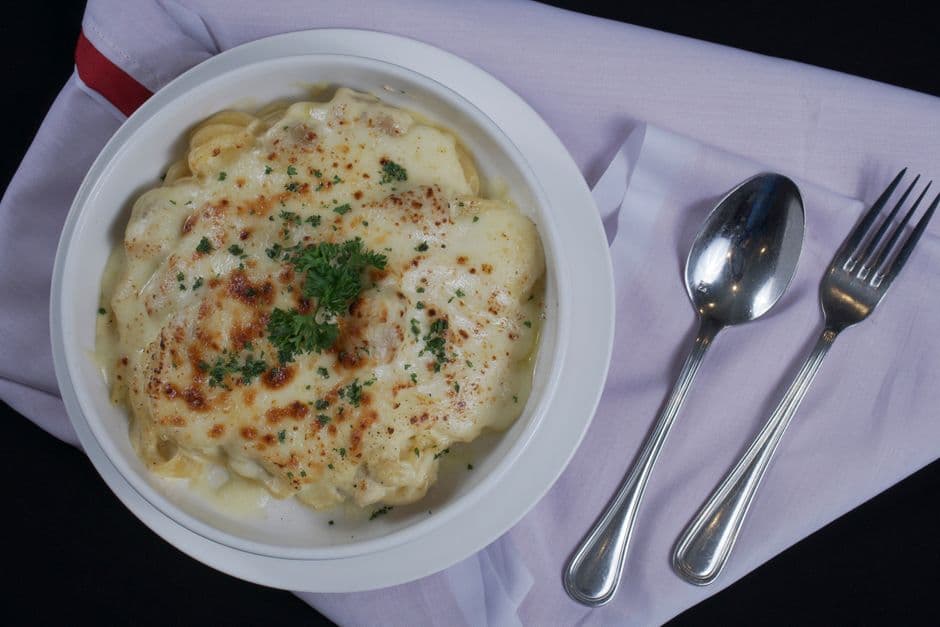
Anellini al Forno
Sicilian baked ring-shaped pasta with ragu, peas, and cheese, formed into a golden, sliceable timballo.
About This Recipe
Anellini are small ring-shaped pasta beloved in Sicily, especially Palermo, where they star in anellini al forno, a baked pasta timballo. The little rings are tossed with a rich meat ragu, peas, and plenty of cheese, then packed into a dish and baked until a crisp golden crust forms. The pasta's hollow ring shape catches the sauce and binds together as it bakes, allowing the casserole to be sliced into neat portions like a savory cake. It's classic Sunday and festival food, generous and comforting, often made in large quantities for crowds. Caciocavallo or pecorino lends sharp depth, while breadcrumbs lining the dish create that prized crunchy shell. This is hearty, soul-warming Sicilian home cooking at its finest.
Ingredients
Serves 6
- 500 ganellini pasta
- 400 gground beef or beef-pork blend
- 700 gtomato passata
- 1 mediumonion(finely chopped)
- 1 cupfrozen peas
- 120 gcaciocavallo or pecorino(grated)
- 120 gmozzarella or caciocavallo(diced)
- 1/2 cupdry white wine
- 3 tbspolive oil
- 60 gbreadcrumbs(for lining the dish)
- to tastesalt and black pepper
Instructions
- 1
Build the ragu
Saute the onion in olive oil over medium heat until soft, then add the ground meat and brown well, breaking it up. Pour in the wine and let it evaporate before adding the passata.
Let the meat develop color before adding liquid for deeper flavor.
- 2
Simmer the sauce
Season with salt and pepper, then simmer the ragu uncovered on low heat for 30 to 40 minutes until thick and glossy. Stir in the peas during the last 10 minutes so they stay tender and bright.
- 3
Cook the pasta
Boil the anellini in salted water until very al dente, about 2 minutes short of package time. They finish cooking in the oven, so undercooking now prevents a mushy bake.
Drain while still firm; baked pasta softens further.
- 4
Combine
Toss the drained anellini with most of the ragu and the grated cheese until every ring is coated. Fold in the diced mozzarella, reserving a little sauce and cheese for the top.
- 5
Line the dish
Grease a baking dish and coat it thoroughly with breadcrumbs, pressing them onto the bottom and sides. This forms the crisp golden crust that lets the timballo hold its shape when sliced.
- 6
Assemble
Pack the pasta firmly into the dish, smoothing the top. Spread the reserved sauce over the surface, scatter the remaining cheese, and finish with a light dusting of breadcrumbs.
- 7
Bake and rest
Bake at 190°C (375°F) for 30 to 35 minutes until the top is deeply golden and crisp. Let it rest 15 minutes before slicing so it sets and cuts into clean, firm portions.
Resting is essential; cutting too soon makes it collapse.
Did you make this?
Rate it and help other cooks find the recipes that actually work.
One tap to sign in, and we'll save the rating you just picked.
Everything you need to plan your week — free
- Meal calendar
- Grocery list
- AI recipe ideas
Track what you eat
Snap your meal to log calories and macros, run fasting timers and track water in the free SnapCal app.
Pro Tips
- →
Undercook the pasta so it doesn't turn mushy during baking.
- →
Line the dish well with breadcrumbs for the signature crunchy crust.
- →
Caciocavallo is the authentic cheese, but pecorino and mozzarella work well.
- →
Let the baked timballo rest before slicing so it holds together.
- →
Make the ragu a day ahead; its flavor deepens overnight.
Variations
- •
Add cubed fried eggplant for a richer, parmigiana-inspired version.
- •
Stir in chopped hard-boiled eggs and salami, Palermo-festival style.
- •
Use a meatless mushroom ragu for a vegetarian timballo.
- •
Add a layer of besciamella in the center for extra creaminess.
Storage
Refrigerate up to 4 days; the baked timballo slices and reheats beautifully. Reheat in the oven to revive the crisp crust, or freeze portions up to 2 months.
History & Origin
Anellini al forno is a cornerstone of Palermitan home cooking, traditionally served on Sundays and during festivals like Santa Rosalia. The ring-shaped pasta is thought to evoke the earrings or jewelry of folklore, and the baked timballo reflects Sicily's love of elaborate, sliceable pasta dishes.
Frequently Asked Questions
What can I use if I can't find anellini pasta?
Small ring pasta like ditalini or even broken bucatini stand in reasonably well, though the look changes. Anellini are increasingly available online and in Italian groceries. The dish works with any small, short shape that holds sauce and binds when baked.
Why does my timballo fall apart when sliced?
It needs to rest at least 15 minutes after baking so the cheese and starch set into a sliceable structure. Cutting while piping hot causes it to crumble. A well-packed dish and a breadcrumb crust also help it hold together.
Can I make anellini al forno ahead of time?
Yes, it's ideal for making ahead. Assemble it fully, refrigerate, then bake when needed, adding a few extra minutes. The ragu can be made a day or two in advance, and the whole baked dish reheats well.
What cheese is most authentic?
Caciocavallo, a stretched-curd Sicilian cheese, is the traditional choice for both grating and melting. If unavailable, a mix of pecorino for sharpness and mozzarella for melt approximates it well and keeps the dish rich and stringy.
Nutrition Facts
Per serving (320g / 11.3 oz) · 6 servings total
Time Summary
Have Questions?
Ask our AI cooking assistant anything about this recipe — substitutions, techniques, scaling.
Chat with AI Chef →Featured in Guides
This recipe is featured in the following curated guides:
More Italian Recipes
You Might Also Like
Similar dishes from other cuisines around the world.
Browse by Ingredient
More recipes built around the same core ingredients.
Free Kitchen Tools
Calculators and converters that pair with this page — no signup needed.
Put This Into a Plan
Schedule it, shop for it, and track what you already have.
Read Next
Longer reads that go deeper on the ideas behind this dish.
Community
Join the conversation
Sign in to leave a comment and save your favourite recipes