
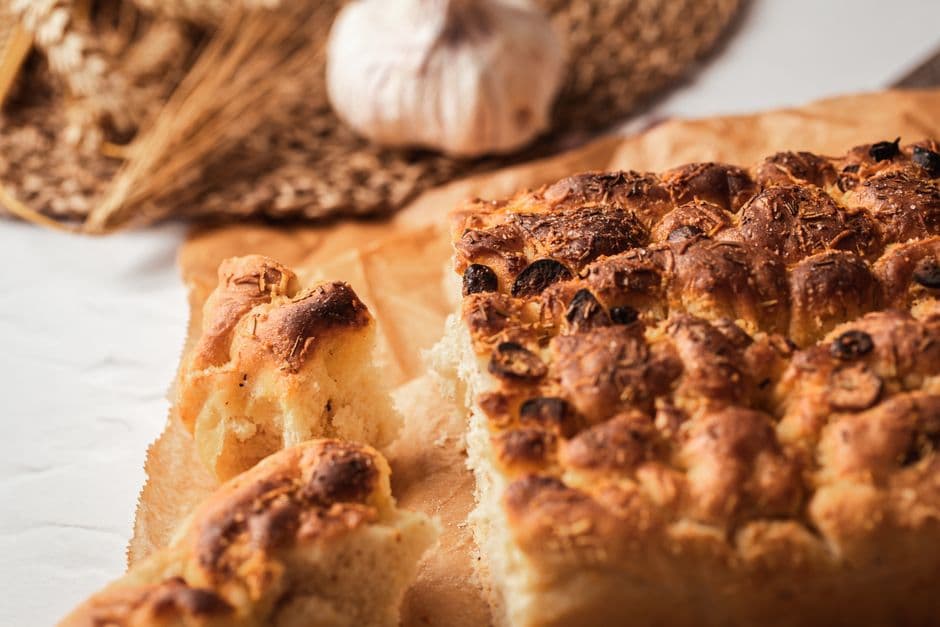
Italian Anise Bread
Soft, lightly sweet Italian loaf scented with anise seed, traditionally baked for Easter and holidays.
About This Recipe
Italian anise bread is a tender, faintly sweet enriched loaf perfumed with the warm licorice notes of anise seed. A beloved holiday bake, especially around Easter, it sits between everyday bread and festive sweet bread, soft enough for breakfast yet rich enough to serve with coffee or dessert. The dough is enriched with eggs, butter, and a touch of sugar, then flavored with whole anise seeds and often a splash of anise extract or sambuca for deeper aroma. Many versions are braided or shaped into a wreath and brushed with egg wash for a glossy, golden crust, sometimes finished with sprinkles or a light glaze. The result is a fragrant, pillowy loaf that fills the kitchen with an unmistakable festive scent as it bakes.
Ingredients
Serves 12
- 500 gall-purpose flour
- 60 ggranulated sugar
- 7 gactive dry yeast(one packet)
- 180 mlwarm milk(about 40°C)
- 2 largeeggs(plus 1 for egg wash)
- 60 gunsalted butter(softened)
- 1 tbspanise seeds(lightly crushed)
- 1 tspanise extract(or 1 tbsp sambuca)
- 1 tspfine salt
- to tastepearl sugar or sprinkles(optional)
Instructions
- 1
Activate the yeast
Stir the yeast and a pinch of sugar into the warm milk and let it sit 8 to 10 minutes until foamy. If it doesn't bubble, the yeast is dead or the milk too hot, so start over.
Milk should feel warm, not hot, to protect the yeast.
- 2
Make the dough
Whisk flour, sugar, salt, and crushed anise seeds in a large bowl. Add the yeasted milk, eggs, softened butter, and anise extract, then mix until a shaggy dough forms and pulls together.
- 3
Knead
Knead by hand or mixer for 8 to 10 minutes until the dough is smooth, elastic, and slightly tacky. Proper kneading develops the gluten that gives the loaf its soft, pillowy crumb.
Add flour a tablespoon at a time only if it's too sticky to handle.
- 4
First rise
Place the dough in a greased bowl, cover, and let it rise in a warm spot for about 1.5 hours, until doubled. A slow, full rise builds flavor and the airy texture.
- 5
Shape
Punch down the dough and divide it into three ropes. Braid them and tuck the ends under, or join into a wreath. Transfer to a parchment-lined tray and shape neatly.
- 6
Second rise
Cover loosely and let the shaped loaf rise again for 40 to 45 minutes until puffy. Meanwhile, heat the oven to 180°C (350°F) so it's ready when proofing finishes.
- 7
Glaze and bake
Brush the loaf with beaten egg and scatter pearl sugar if using. Bake 28 to 32 minutes until deep golden and hollow-sounding when tapped. Cool on a rack before slicing.
Tent with foil if the top browns too fast before the center sets.
Did you make this?
Rate it and help other cooks find the recipes that actually work.
One tap to sign in, and we'll save the rating you just picked.
Everything you need to plan your week — free
- Meal calendar
- Grocery list
- AI recipe ideas
Track what you eat
Snap your meal to log calories and macros, run fasting timers and track water in the free SnapCal app.
Pro Tips
- →
Lightly crush the anise seeds to release more aroma into the dough.
- →
Use warm, not hot, milk so the yeast stays active.
- →
A full first rise is key to a soft, fluffy crumb.
- →
Brush with egg wash for a glossy, bakery-style crust.
- →
Don't over-flour; a slightly tacky dough yields a tender loaf.
Variations
- •
Add a simple powdered-sugar glaze with anise extract for a sweeter loaf.
- •
Fold in citrus zest for a brighter, Easter-style aroma.
- •
Tuck dyed hard-boiled eggs into a braided ring for traditional Pane di Pasqua.
- •
Swap half the anise for fennel seed for a milder licorice note.
Storage
Keep wrapped at room temperature for 3 days, or freeze up to 2 months. Refresh slices by toasting lightly to restore softness.
History & Origin
Anise-scented breads have a long tradition across Italy, where anise was prized for its warm, digestive aroma. Such enriched loaves became closely tied to Easter celebrations, often braided into wreaths symbolizing renewal and shared at holiday tables.
Frequently Asked Questions
What does anise taste like in this bread?
Anise lends a warm, sweet, licorice-like aroma that's distinctive but not overpowering when used in moderation. It pairs beautifully with the bread's eggy richness. If you find licorice flavors strong, start with less seed and skip the extract.
Can I make this bread without a stand mixer?
Yes, the dough kneads well by hand. Expect 10 to 12 minutes of kneading on a floured surface until smooth and elastic. It's slightly sticky from the butter and eggs, so resist adding too much extra flour.
Why didn't my loaf rise properly?
The most common causes are dead yeast or milk that was too hot and killed it. Always proof the yeast until foamy first. A cold kitchen also slows rising, so give the dough a warm, draft-free spot and extra time if needed.
Can I substitute fennel for anise?
Yes, fennel seed offers a similar but milder, slightly sweeter licorice note and works well as a substitute. Many Italian families use fennel, anise, or a blend of both depending on regional tradition and personal preference.
Nutrition Facts
Per serving (70g / 2.5 oz) · 12 servings total
Time Summary
Have Questions?
Ask our AI cooking assistant anything about this recipe — substitutions, techniques, scaling.
Chat with AI Chef →Featured in Guides
This recipe is featured in the following curated guides:
More Italian Recipes
You Might Also Like
Similar dishes from other cuisines around the world.
Browse by Ingredient
More recipes built around the same core ingredients.
Free Kitchen Tools
Calculators and converters that pair with this page — no signup needed.
Put This Into a Plan
Schedule it, shop for it, and track what you already have.
Read Next
Longer reads that go deeper on the ideas behind this dish.
Community
Join the conversation
Sign in to leave a comment and save your favourite recipes