
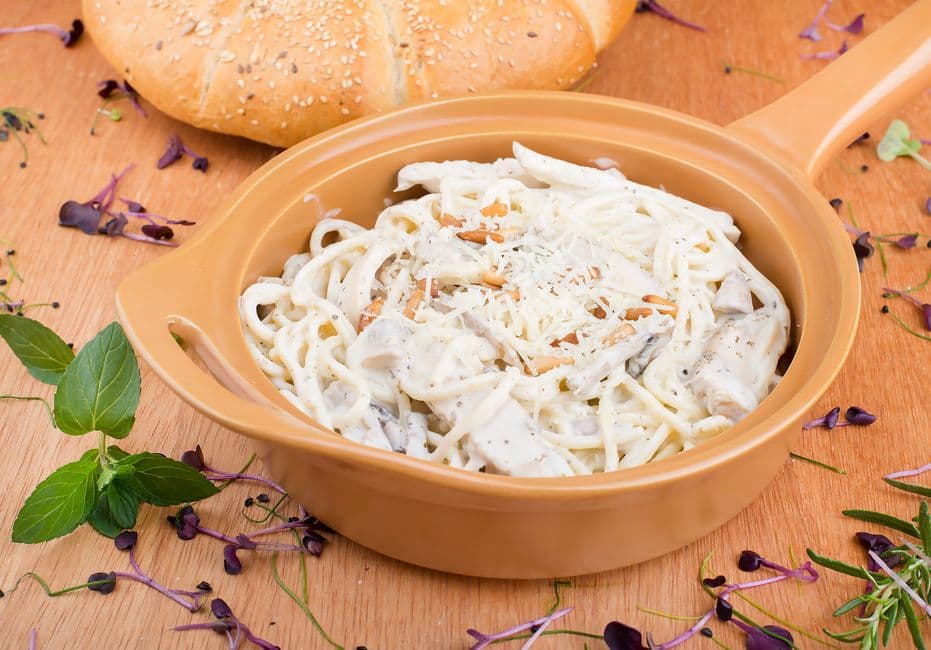
Artichoke Pasta
Bright spring pasta with tender artichokes, garlic, lemon, and parmesan in a light, glossy sauce.
About This Recipe
Artichoke pasta is a celebration of spring, pairing tender, nutty artichokes with garlic, lemon, white wine, and parmesan in a light, silky sauce that clings to every strand. Artichokes are a prized Italian vegetable, especially in Rome and Sicily, and here they're braised until meltingly soft before being tossed with pasta and a splash of starchy cooking water to create a glossy emulsion. The dish is deliberately restrained, letting the artichokes' delicate, slightly sweet flavor shine, brightened by lemon zest and finished with sharp pecorino or parmesan and fresh parsley. Fresh artichokes give the best results, but quality frozen or jarred hearts make it a quick weeknight option. Light yet satisfying, it's an elegant vegetarian pasta that captures the clean, vegetable-forward spirit of Italian cooking.
Ingredients
Serves 4
- 400 gpasta(rigatoni or spaghetti)
- 4 wholeartichokes(or 300g frozen hearts)
- 4 tbspextra virgin olive oil
- 3 clovesgarlic(sliced)
- 1/2 cupdry white wine
- 1 wholelemon(zest and juice)
- 60 gParmigiano or pecorino(grated)
- 1/4 cupflat-leaf parsley(chopped)
- 1/2 tspred pepper flakes(optional)
- to tastesalt and black pepper
Instructions
- 1
Prep the artichokes
Trim the artichokes down to the tender hearts, removing tough leaves and the fuzzy choke, then slice thinly. Drop the slices into lemon water as you go to stop them browning.
Acidulated water keeps the cut artichokes from oxidizing.
- 2
Braise the artichokes
Saute the garlic in olive oil over medium heat until fragrant, add the sliced artichokes, season, and cook 8 to 10 minutes until tender. Add a splash of water if they begin to stick.
- 3
Deglaze with wine
Pour in the white wine and let it bubble and reduce by half, about 2 minutes, scraping up any browned bits. The wine adds acidity and depth to balance the artichokes' sweetness.
- 4
Cook the pasta
Meanwhile, boil the pasta in well-salted water until al dente. Reserve a cup of the starchy cooking water before draining, as it's essential for building the sauce.
Time the pasta to finish with the artichokes.
- 5
Combine
Add the drained pasta to the artichokes with a ladle of pasta water. Toss vigorously over medium heat for 1 to 2 minutes until a glossy, emulsified sauce forms and coats the pasta.
- 6
Finish
Off the heat, stir in the grated cheese, lemon zest and juice, parsley, and a little more pasta water if needed for silkiness. Taste and adjust salt, pepper, and chili. Serve immediately.
Did you make this?
Rate it and help other cooks find the recipes that actually work.
One tap to sign in, and we'll save the rating you just picked.
Everything you need to plan your week — free
- Meal calendar
- Grocery list
- AI recipe ideas
Track what you eat
Snap your meal to log calories and macros, run fasting timers and track water in the free SnapCal app.
Pro Tips
- →
Keep prepped artichokes in lemon water to prevent browning.
- →
Reserve pasta water; the starch makes the sauce glossy.
- →
Add the cheese off the heat so it melts smoothly without clumping.
- →
Lemon zest plus juice gives both aroma and brightness.
- →
Frozen or jarred hearts make this a fast weeknight version.
Variations
- •
Add crisped pancetta or guanciale for a savory, meaty version.
- •
Stir in a spoonful of mascarpone for a creamier sauce.
- •
Toss in peas and lemon for an extra-spring vegetable medley.
- •
Add chili and capers for a punchier, more assertive flavor.
Storage
Best fresh, but leftovers keep 2 days refrigerated. Reheat gently with a splash of water to loosen the sauce.
History & Origin
Artichokes have been cultivated in Italy since antiquity and are central to Roman cuisine, where dishes like carciofi alla romana are iconic. Pairing them with pasta is a natural extension of Italy's tradition of vegetable-forward, seasonal cooking.
Frequently Asked Questions
Can I use jarred or frozen artichokes?
Absolutely. Frozen artichoke hearts are excellent and convenient, needing only a few minutes to soften. Jarred or marinated hearts also work; just drain them well and reduce added salt, since they're often already seasoned and acidic.
How do I clean fresh artichokes?
Snap off the tough outer leaves, trim the top and stem, peel the base, and scoop out the fuzzy choke from larger artichokes. Rub cut surfaces with lemon and hold the pieces in lemon water to prevent browning as you work.
Is this pasta vegetarian?
Yes, the base recipe is vegetarian. Just check that your cheese is made with vegetarian rennet if that matters to you, since traditional Parmigiano-Reggiano and pecorino use animal rennet. To keep it vegan, omit the cheese and add extra lemon and herbs.
What pasta shape is best?
Both long strands like spaghetti and ridged short shapes like rigatoni work well. Ridged or tubular shapes catch the bits of artichoke nicely, while long pasta showcases the glossy sauce. Use whatever you have; the sauce adapts to both.
Nutrition Facts
Per serving (300g / 10.6 oz) · 4 servings total
Time Summary
Have Questions?
Ask our AI cooking assistant anything about this recipe — substitutions, techniques, scaling.
Chat with AI Chef →Featured in Guides
This recipe is featured in the following curated guides:
More Italian Recipes
You Might Also Like
Similar dishes from other cuisines around the world.
Browse by Ingredient
More recipes built around the same core ingredients.
Free Kitchen Tools
Calculators and converters that pair with this page — no signup needed.
Put This Into a Plan
Schedule it, shop for it, and track what you already have.
Read Next
Longer reads that go deeper on the ideas behind this dish.
Community
Join the conversation
Sign in to leave a comment and save your favourite recipes