
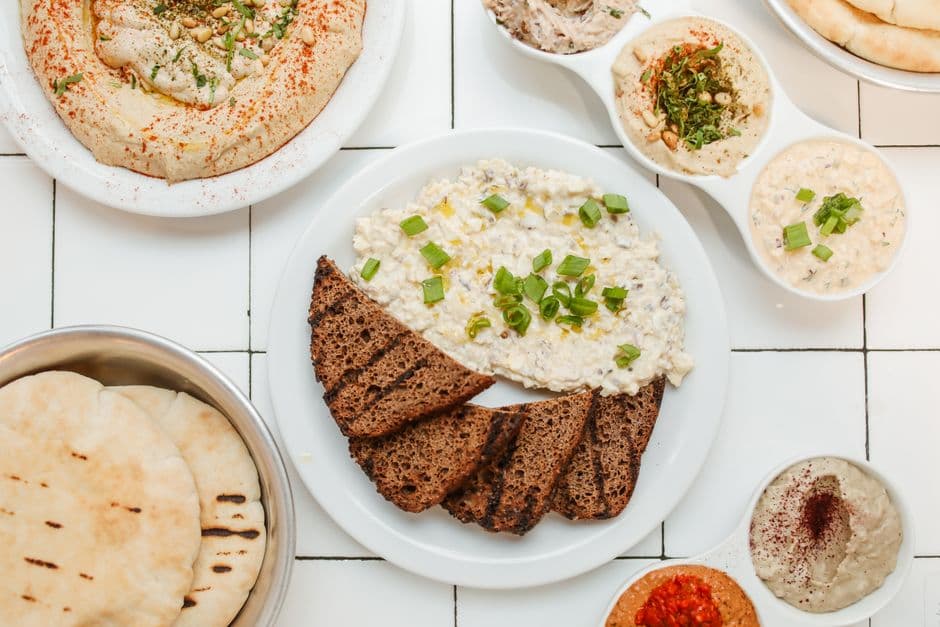
Baba Ghanoush
Smoky Levantine eggplant dip blended with tahini, garlic, and lemon for a creamy, charred-flavored mezze.
About This Recipe
Baba ghanoush is a beloved Levantine mezze of smoky roasted eggplant blended with tahini, garlic, lemon juice, and olive oil into a silky, savory dip. Its defining character comes from charring whole eggplants over an open flame or under a broiler until the skin blackens and the flesh collapses, infusing the pulp with a deep, smoky aroma. The cooked flesh is then drained well and mashed or blended with nutty tahini and bright lemon for balance. Less dense than hummus and with a more pronounced smoky-bitter edge, it's traditionally served swirled in a shallow bowl, drizzled with olive oil and dusted with paprika or pomegranate seeds. Scooped up with warm pita, it's a cornerstone of Lebanese and wider Middle Eastern tables, light yet richly flavored.
Ingredients
Serves 6
- 2 largeeggplants(about 1 kg)
- 3 tbsptahini
- 2 clovesgarlic(minced)
- 3 tbsplemon juice(freshly squeezed)
- 3 tbspextra virgin olive oil(plus more to serve)
- 1/2 tspground cumin(optional)
- 1/2 tspsalt(to taste)
- 1 tbspflat-leaf parsley(chopped)
- to garnishpaprika and pomegranate seeds
Instructions
- 1
Char the eggplants
Pierce the eggplants and roast them directly over a gas flame, on a grill, or under a hot broiler, turning often, until the skin is blackened all over and the flesh is completely soft, about 20 to 30 minutes.
Don't rush; collapsed, fully soft flesh is key to smoky flavor.
- 2
Steam and cool
Transfer the charred eggplants to a bowl and cover, letting them steam for 10 minutes. This loosens the skin and finishes softening the interior so it scoops out easily.
- 3
Drain the flesh
Scoop the flesh away from the skin and place it in a colander. Let it drain for 10 to 15 minutes, pressing gently, to remove excess liquid that would make the dip watery.
Well-drained eggplant gives a thick, creamy, not soupy, dip.
- 4
Blend the base
Combine the drained eggplant with tahini, garlic, lemon juice, cumin, and salt. Mash with a fork for a rustic texture or pulse briefly in a processor for a smoother dip; avoid over-blending into a paste.
- 5
Adjust and emulsify
Stir in the olive oil and taste, balancing the lemon, salt, and garlic. Add a splash of cold water if you want it lighter and fluffier. The flavor should be smoky, tangy, and nutty all at once.
- 6
Serve
Spread the baba ghanoush in a shallow bowl, make a swirl with the back of a spoon, and pool olive oil in the center. Garnish with paprika, parsley, and pomegranate seeds. Serve with warm pita.
A generous final drizzle of good olive oil makes all the difference.
Did you make this?
Rate it and help other cooks find the recipes that actually work.
One tap to sign in, and we'll save the rating you just picked.
Everything you need to plan your week — free
- Meal calendar
- Grocery list
- AI recipe ideas
Track what you eat
Snap your meal to log calories and macros, run fasting timers and track water in the free SnapCal app.
Pro Tips
- →
Char the eggplant over an open flame for the deepest smoky flavor.
- →
Drain the flesh well so the dip isn't watery.
- →
Add tahini gradually and taste; too much can dull the smokiness.
- →
Use fresh lemon juice for the brightest flavor.
- →
Finish with a generous drizzle of good olive oil.
Variations
- •
Add a spoonful of Greek yogurt for a creamier, milder dip.
- •
Stir in chopped roasted red pepper for color and sweetness.
- •
Top with toasted pine nuts and a sprinkle of sumac.
- •
Blend in a little smoked paprika if you can't char over flame.
Storage
Refrigerate in an airtight container up to 4 days; the flavor deepens overnight. Stir and add a fresh drizzle of olive oil before serving.
History & Origin
Baba ghanoush originates in the Levant, with deep roots in Lebanese, Syrian, and broader Middle Eastern cuisine. Its name playfully translates to something like pampered or coquettish papa, and it belongs to a family of smoky eggplant dishes found across the region.
Frequently Asked Questions
How do I get the smoky flavor without a gas stove?
Roast the eggplants under a very hot broiler or on an outdoor grill until the skin blackens and the flesh collapses. If neither is available, oven-roasting works but is less smoky, so add a pinch of smoked paprika to compensate for the missing char.
What's the difference between baba ghanoush and hummus?
Hummus is based on chickpeas, while baba ghanoush is based on smoky roasted eggplant. Both use tahini, garlic, and lemon, but baba ghanoush is lighter, with a distinctive smoky-bitter eggplant flavor rather than the dense, beany richness of hummus.
Why is my baba ghanoush watery?
Eggplant releases a lot of moisture, so draining the cooked flesh is essential. Let it sit in a colander and press out the liquid before blending. Skipping this step leaves the dip thin and soupy rather than thick and creamy.
Can I make baba ghanoush ahead of time?
Yes, it actually improves after a few hours as the flavors meld, and it keeps for several days refrigerated. Bring it to room temperature and stir before serving, adding a fresh drizzle of olive oil and garnishes just before it goes to the table.
Nutrition Facts
Per serving (120g / 4.2 oz) · 6 servings total
Time Summary
Have Questions?
Ask our AI cooking assistant anything about this recipe — substitutions, techniques, scaling.
Chat with AI Chef →Featured in Guides
This recipe is featured in the following curated guides:
More Lebanese Recipes
You Might Also Like
Similar dishes from other cuisines around the world.
Browse by Ingredient
More recipes built around the same core ingredients.
Free Kitchen Tools
Calculators and converters that pair with this page — no signup needed.
Put This Into a Plan
Schedule it, shop for it, and track what you already have.
Read Next
Longer reads that go deeper on the ideas behind this dish.
Community
Join the conversation
Sign in to leave a comment and save your favourite recipes