
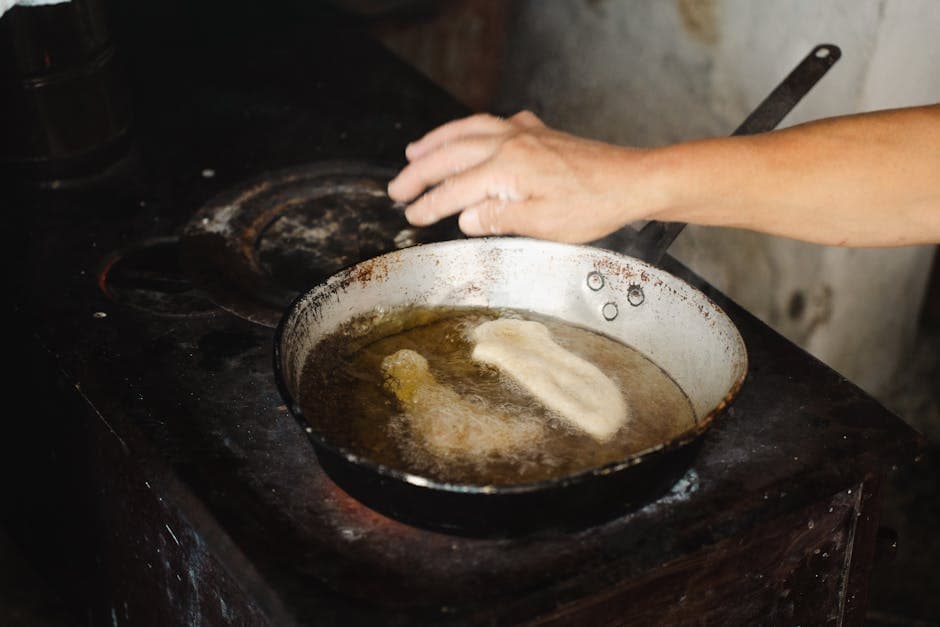
Bannock (Indigenous Canadian Fry Bread)
Simple pan-fried or baked flatbread with deep roots in Indigenous Canadian food culture.
About This Recipe
Bannock is a flatbread with a complex and layered history in Canada. The word comes from Scottish Gaelic, and the bread was introduced to Indigenous peoples through fur trade contact with European settlers in the 18th century. Indigenous communities adapted it using available ingredients and their own cooking methods — frying it in a pan over an open fire, baking it in a Dutch oven, or wrapping it around a stick. It has become deeply associated with Indigenous Canadian food culture and is embraced as a comfort food, served at community gatherings and pow-wows.
Ingredients
Serves 4
- 300 gplain flour
- 2 tspbaking powder
- 1 tspsalt
- 2 tbspbutter(melted)
- 200 mlmilk or water
- 2 tbspvegetable oil(for frying)
Instructions
- 1
Mix dough
Mix flour, baking powder and salt in a bowl. Add melted butter and milk (or water). Stir until a soft dough forms — do not overwork.
- 2
Shape
Shape into a rough disc about 2cm thick.
- 3
Fry or bake
Heat oil in a cast iron skillet over medium heat. Cook bannock 8–10 minutes per side until golden brown and cooked through. A skewer should come out clean. Alternatively, bake at 190°C for 20–25 minutes.
Don't overwork the dough — the less you handle it, the more tender the result.
- 4
Serve
Serve warm with butter and jam, or alongside stews.
Did you make this?
Rate it and help other cooks find the recipes that actually work.
One tap to sign in, and we'll save the rating you just picked.
Everything you need to plan your week — free
- Meal calendar
- Grocery list
- AI recipe ideas
Track what you eat
Snap your meal to log calories and macros, run fasting timers and track water in the free SnapCal app.
Pro Tips
- →
Don't overwork the dough — the less you handle it, the more tender the result
- →
A cast iron skillet gives the best crust
- →
Stick bannock (wrapped around a stick and cooked over a fire) is a beloved camping tradition
- →
Taste and adjust salt at the very end — flavors concentrate as liquids reduce, and a final pinch of flaky salt sharpens the whole dish.
Variations
- •
Add 2 tbsp sugar and a handful of berries to the dough for Sweet Bannock.
- •
Fold in grated cheddar and dried rosemary for a savoury Cheese & Herb version.
- •
Vegetarian: swap the protein for roasted king oyster mushrooms, smoked tofu or cooked chickpeas — adjust seasoning slightly upward to compensate.
- •
Spicier: add a finely chopped fresh chile or a teaspoon of crushed Aleppo/Urfa pepper to the aromatics for warm, layered heat instead of a single sharp hit.
Storage
Best eaten fresh and warm. Keeps wrapped at room temperature 1 day.
History & Origin
Adopted into Indigenous cooking culture following contact with European traders. It has since become a culturally significant food across many First Nations communities in Canada.
Frequently Asked Questions
Is bannock Indigenous food?
Its origins are Scottish, but it has been deeply embedded in Indigenous Canadian cooking for over 200 years and is now culturally significant.
Can I make this ahead of time?
Yes — most of the components can be prepared up to a day in advance and refrigerated separately. Reheat gently and assemble just before serving so textures stay distinct.
What can I substitute if I don't have all the ingredients?
Stay close to the role each ingredient plays: swap aromatics for similar ones (shallot for onion, lime for lemon), and keep the fat-acid-salt balance intact. Spice blends can usually be approximated with what's in the cupboard.
How do I know it's authentic?
Authenticity sits on a spectrum — what matters more is honoring the technique and balance of flavors. If the dish tastes harmonious and respects how cooks in its home region would build it, you're on solid ground.
Nutrition Facts
Per serving · 4 servings total
Time Summary
Have Questions?
Ask our AI cooking assistant anything about this recipe — substitutions, techniques, scaling.
Chat with AI Chef →Featured in Guides
This recipe is featured in the following curated guides:
More Canadian Recipes
You Might Also Like
Similar dishes from other cuisines around the world.
Free Kitchen Tools
Calculators and converters that pair with this page — no signup needed.
Put This Into a Plan
Schedule it, shop for it, and track what you already have.
Read Next
Longer reads that go deeper on the ideas behind this dish.
Community
Join the conversation
Sign in to leave a comment and save your favourite recipes