
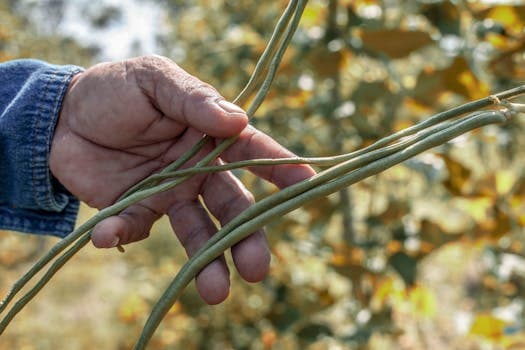
Black Eyed Peas
Classic American Black Eyed recipe.
About This Recipe
Southern black-eyed peas are a slow-simmered pot of creamy legumes infused with smoked pork, onion, and garlic, cooked until the broth turns silky and deeply savory. The peas — actually beans, brought to America through the transatlantic slave trade — hold their shape while becoming tender enough to crush against the roof of your mouth, and the smoky potlikker they leave behind is prized for sopping with cornbread. Eaten year-round across the South, they become near-mandatory on New Year's Day, when a bowlful is said to bring luck and coins for the months ahead. Patience and a good ham hock do most of the work.
Ingredients
Serves 4
- 1 lbdried black-eyed peas(soaked 4 hours or overnight)
- 1 largesmoked ham hock(or 4 strips thick-cut bacon, diced)
- 1 largeyellow onion(diced)
- 3 clovesgarlic(minced)
- 6 cupschicken stock or water
- 1bay leaf
- 0.5 tspblack pepper
- 0.5 tspkosher salt(add only after peas soften)
- 1 tbspapple cider vinegar(splash at the end)
- 1 dashhot sauce (Crystal or Tabasco)(for serving)
Instructions
- 1
Prepare
Sort the dried peas for pebbles, rinse well, and soak 4 hours or overnight in cold water; a quick 1-hour hot soak also works. Dice the onion, mince the garlic, and have the ham hock or bacon ready.
- 2
Cook
Render diced bacon or brown the ham hock in a heavy pot over medium heat for 5 minutes, then sweat the onion until translucent, about 5 minutes more. Add garlic and cook 1 minute until fragrant.
- 3
Combine
Add the drained peas, enough stock or water to cover by 2 inches, a bay leaf, and pepper. Simmer gently, partially covered, for 60 to 90 minutes, skimming foam, until the peas are creamy but intact.
Salt the peas only after they soften; salting early in hard water can keep the skins tough.
- 4
Serve
Pull the hock, shred its meat back into the pot, and season with salt, black pepper, and a dash of hot sauce or vinegar. Serve in bowls with the potlikker, alongside rice or cornbread.
A splash of apple cider vinegar at the end brightens the smoky broth dramatically.
Did you make this?
Rate it and help other cooks find the recipes that actually work.
One tap to sign in, and we'll save the rating you just picked.
Everything you need to plan your week — free
- Meal calendar
- Grocery list
- AI recipe ideas
Track what you eat
Snap your meal to log calories and macros, run fasting timers and track water in the free SnapCal app.
Pro Tips
- →
Hold the salt until the peas are nearly tender, then season the broth generously.
- →
A smoked ham hock or turkey wing gives the broth its essential body and smoke.
- →
Keep the simmer gentle; hard boiling bursts the peas into mush.
- →
Save the potlikker; it is the best part for dipping cornbread or starting tomorrow's soup.
- →
Fresh or frozen black-eyed peas skip the soak and cook in about 30 minutes.
Variations
- •
Vegetarian pot: skip the pork and build flavor with smoked paprika, olive oil, and a Parmesan rind.
- •
Spicy Texas caviar: chill cooked peas and toss with peppers, onion, cilantro, and vinaigrette as a salad.
- •
Greens included: stir chopped collards or turnip greens in for the last 30 minutes.
- •
Creole-style: add the trinity of celery and bell pepper with the onion plus a spoon of Creole seasoning.
Storage
Refrigerate the peas in their broth for up to 4 days; they taste better on day two. They freeze excellently for 3 months — portion with plenty of potlikker and thaw overnight before reheating gently.
History & Origin
Black-eyed peas arrived in America aboard slave ships from West Africa, where the crop had been cultivated for millennia, and became a staple of African American cooking throughout the South. The New Year's tradition of eating them for luck is tied to Hoppin' John and dates at least to the 1840s in the Carolina Lowcountry. Folklore holds the peas represent coins, greens the folding money, and cornbread the gold.
Frequently Asked Questions
Do I have to soak dried black-eyed peas?
No, they are among the quickest-cooking dried legumes and can go straight into the pot, adding roughly 30 minutes of simmering. Soaking shortens the cook time and yields slightly more even texture, but skipping it does no real harm.
Why eat black-eyed peas on New Year's Day?
The Southern tradition holds that peas bring luck and prosperity, with each pea symbolizing a coin for the new year. Paired with collard greens for paper money and cornbread for gold, the meal is a ritual of hope dating back to the nineteenth-century South.
Can I use canned black-eyed peas?
Yes. Rinse two or three cans, then simmer them just 15 to 20 minutes with the sautéed aromatics, smoked meat, and a cup of stock so they absorb flavor. You lose the long-simmered potlikker depth but gain a weeknight-friendly timeline.
What is potlikker and why does it matter?
Potlikker is the savory, smoky broth left after simmering peas or greens with seasoning meat. Rich in flavor and nutrients, it is traditionally sopped up with cornbread or saved as soup stock. Discarding it throws away half the dish.
Nutrition Facts
Per serving (300g / 10.6 oz) · 4 servings total
Time Summary
Have Questions?
Ask our AI cooking assistant anything about this recipe — substitutions, techniques, scaling.
Chat with AI Chef →Featured in Guides
This recipe is featured in the following curated guides:
More American Recipes
You Might Also Like
Similar dishes from other cuisines around the world.
Browse by Ingredient
More recipes built around the same core ingredients.
Free Kitchen Tools
Calculators and converters that pair with this page — no signup needed.
Put This Into a Plan
Schedule it, shop for it, and track what you already have.
Read Next
Longer reads that go deeper on the ideas behind this dish.
Community
Join the conversation
Sign in to leave a comment and save your favourite recipes