
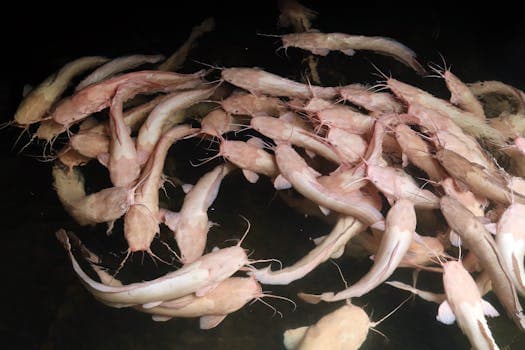
Blackened Catfish
Classic American Blackened Catfish recipe.
About This Recipe
Blackened catfish is the dish that carried Cajun cooking to national fame: fillets dipped in melted butter, crusted in a paprika-heavy spice blend, and seared in a screaming-hot cast-iron skillet until the coating chars into a smoky, peppery shell. The technique, popularized by chef Paul Prudhomme in 1980s New Orleans, is not burning — it is the controlled blackening of butter and spices into a crust that seals in the mild, flaky fish. Done properly it takes minutes, produces dramatic smoke, and delivers an intensity of flavor that belies the short ingredient list. Open a window, heat the pan, and commit.
Ingredients
Serves 4
- 4catfish fillets (6–7 oz each)(under 1 inch thick; completely patted dry)
- 0.5 cupunsalted butter(melted; for dipping and finishing)
- 1.5 tbspsmoked paprika
- 1 tspcayenne pepper
- 1 tspgarlic powder
- 1 tsponion powder
- 0.5 tspdried thyme
- 0.5 tspdried oregano
- 1 tspkosher salt
- 0.5 tspblack pepper
- 2 wholelemons(halved, for squeezing at service)
Instructions
- 1
Prepare
Pat the catfish fillets completely dry and stir together paprika, cayenne, garlic powder, onion powder, thyme, oregano, salt, and black pepper. Melt a stick of butter and set up plates for dipping and dredging.
- 2
Cook
Heat a dry cast-iron skillet over high heat for 8 to 10 minutes until it is smoking hot; this extreme heat is what blackens rather than steams. Turn on the vent fan and open a window first.
Blackening produces serious smoke; many Louisiana cooks do it outdoors on a burner for good reason.
- 3
Combine
Dip each fillet in melted butter, press the spice blend onto both sides, and lay it in the skillet. Sear 2 to 3 minutes per side without moving, until the crust is deeply browned, nearly black, and the fish flakes.
Do not nudge the fillets early — the crust releases cleanly only once it has fully set.
- 4
Serve
Transfer to plates, spoon a little extra melted butter over the top, and finish with a hard squeeze of lemon. Serve immediately with dirty rice, coleslaw, or grilled vegetables.
Did you make this?
Rate it and help other cooks find the recipes that actually work.
One tap to sign in, and we'll save the rating you just picked.
Everything you need to plan your week — free
- Meal calendar
- Grocery list
- AI recipe ideas
Track what you eat
Snap your meal to log calories and macros, run fasting timers and track water in the free SnapCal app.
Pro Tips
- →
The skillet must be smoking hot before the fish goes in; medium heat steams the spices instead of blackening them.
- →
Use thinner fillets, under an inch, so the inside cooks before the crust over-chars.
- →
Dry the fish thoroughly; surface moisture prevents the crust from forming.
- →
Make extra spice blend and store it; it keeps for months and works on chicken and shrimp.
- →
Have everything plated and ready — the cooking itself takes barely six minutes.
Variations
- •
Blackened redfish: the original Prudhomme dish, using the same butter-and-spice method.
- •
Blackened catfish tacos: flake the fish into warm tortillas with slaw and chipotle crema.
- •
Lighter pan-bronzed version: medium-high heat and half the butter for less smoke and a gentler crust.
- •
Blackened shrimp: same crust, 90 seconds per side, for po-boys or pasta.
Storage
Best eaten immediately while the crust is crisp. Refrigerate leftovers up to 2 days and reheat in a hot dry skillet for 2 minutes per side; the microwave softens the crust and overcooks the fish.
History & Origin
Blackening was invented by Cajun chef Paul Prudhomme at K-Paul's Louisiana Kitchen in New Orleans around 1980, originally for redfish. The dish became so wildly popular that redfish stocks in the Gulf crashed, leading to commercial fishing restrictions, and catfish became the everyday substitute. Though born in a Creole city, the technique is pure Cajun in spirit — high heat, dark crusts, and cayenne-forward seasoning drawn from Prudhomme's Acadiana upbringing.
Frequently Asked Questions
Is blackened fish burnt?
No. The dark crust is butter and spices toasted to the edge of charring at very high heat, a controlled process that creates smoky, complex flavor. Burnt tastes acrid; blackened tastes deeply toasted. The fish inside remains moist, white, and just cooked through.
Can I blacken fish without cast iron?
Cast iron is strongly preferred because it holds the extreme heat blackening demands. Carbon steel is a fine substitute. Nonstick pans cannot be safely heated that hot, and stainless tends to scorch the butter unevenly. If cast iron is unavailable, pan-bronze at medium-high instead.
How do I keep my smoke alarm from going off?
Blackening generates real smoke. Run the vent hood on high, open windows, and consider cooking on an outdoor burner or grill side-burner, which is how many Louisiana restaurants do it. Reducing the butter slightly and using thinner fillets also limits smoke.
What sides go with blackened catfish?
Dirty rice or Cajun rice is the classic plate, with creamy coleslaw or a cool remoulade to offset the spice. Grilled corn, smothered greens, or red beans round it out. A squeeze of lemon and extra melted butter on the fish are essential finishing touches.
Nutrition Facts
Per serving (300g / 10.6 oz) · 4 servings total
Time Summary
Have Questions?
Ask our AI cooking assistant anything about this recipe — substitutions, techniques, scaling.
Chat with AI Chef →Featured in Guides
This recipe is featured in the following curated guides:
More American Recipes
You Might Also Like
Similar dishes from other cuisines around the world.
Browse by Ingredient
More recipes built around the same core ingredients.
Free Kitchen Tools
Calculators and converters that pair with this page — no signup needed.
Put This Into a Plan
Schedule it, shop for it, and track what you already have.
Read Next
Longer reads that go deeper on the ideas behind this dish.
Community
Join the conversation
Sign in to leave a comment and save your favourite recipes