
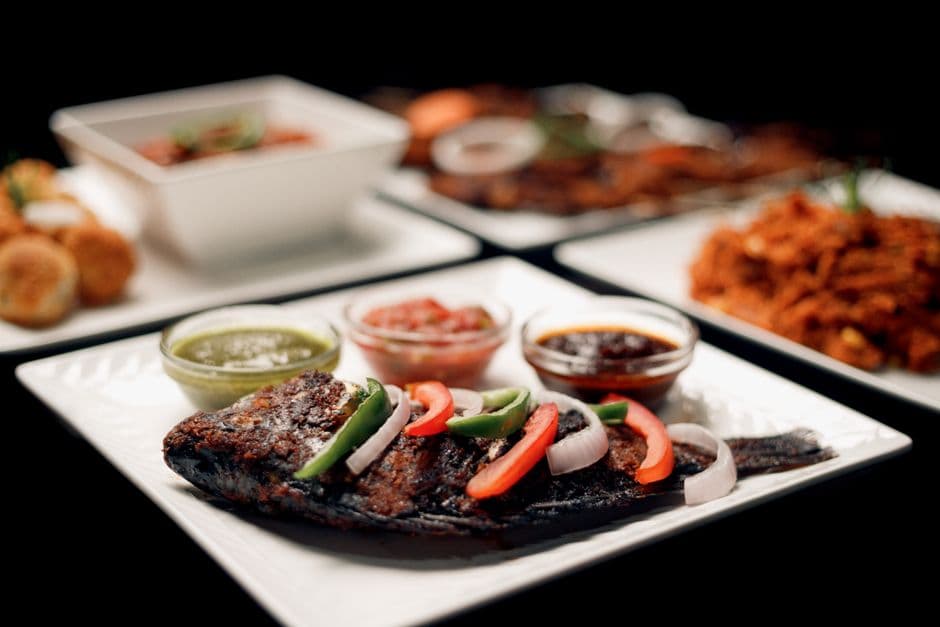
Blackened Fish
Spiced blackened fish
About This Recipe
Blackened fish is Cajun cooking's most dramatic technique: fish fillets dipped in melted butter, coated in a fiery blend of paprika, cayenne, garlic, thyme, and oregano, then slapped onto a screaming-hot cast iron skillet. The spices and butter char instantly into a dark, smoky crust — 'blackened,' not burned — while the inside stays moist and flaky. Chef Paul Prudhomme invented the method in New Orleans in the early 1980s with redfish, and it became so popular it briefly threatened the species. The technique works with any firm fillet: catfish, snapper, mahi-mahi, even salmon. Be warned — proper blackening produces serious smoke, so crank the exhaust fan or take the skillet outdoors. The payoff is restaurant-grade flavor in under ten minutes of cooking.
Ingredients
Serves 4
- 4firm white fish fillets(catfish, snapper, or mahi-mahi, about 6 oz each and 2cm thick)
- 4 tbspunsalted butter(melted, for coating)
- 2 tbspsweet paprika
- 1 tspsmoked paprika
- 1 tspcayenne pepper(adjust to heat tolerance)
- 1 tspgarlic powder
- 1 tsponion powder
- 1 tspdried thyme
- 0.5 tspdried oregano
- 1 tspkosher salt
- 0.5 tspblack pepper
- 1lemon(cut into wedges for serving)
Instructions
- 1
Mix the blackening spice
Combine sweet paprika with cayenne, garlic powder, onion powder, dried thyme, dried oregano, black pepper, and salt — roughly three parts paprika to one part each of the others, with cayenne adjusted to your heat tolerance. Spread the blend on a plate for dredging.
Smoked paprika in place of half the sweet paprika deepens the charred flavor before the fish even hits the pan.
- 2
Butter and coat the fish
Pat the fillets bone dry, then dip each one in melted butter so both sides are fully coated. Press the buttered fish into the spice mixture, covering every surface in a thick, even crust — the butter is the glue that lets the spices char properly.
- 3
Heat the skillet
Set a dry cast iron skillet over the highest heat for a full 5–7 minutes until it is smoking and a drop of water vaporizes on contact. No oil goes in the pan — the butter on the fish does all the work. Turn on the exhaust fan and open a window now.
Blackening only works in genuinely hot cast iron; a merely warm pan steams the spices into a soggy paste instead of a crust.
- 4
Blacken
Lay the fillets in the skillet — they should roar — and cook undisturbed for 2–3 minutes until the underside is deeply darkened. Drizzle a little melted butter over the top, flip once, and cook 2 minutes more until the fish flakes at its thickest point.
Resist moving the fish; the crust needs uninterrupted contact to set, and one confident flip is all it takes.
- 5
Rest and serve
Transfer the fillets to warm plates, squeeze fresh lemon over the crust, and let them rest a minute. Serve with dirty rice, coleslaw, or grilled vegetables, with extra lemon wedges and a cooling remoulade or yogurt sauce on the side.
Did you make this?
Rate it and help other cooks find the recipes that actually work.
One tap to sign in, and we'll save the rating you just picked.
Everything you need to plan your week — free
- Meal calendar
- Grocery list
- AI recipe ideas
Track what you eat
Snap your meal to log calories and macros, run fasting timers and track water in the free SnapCal app.
Pro Tips
- →
Use a cast iron skillet and get it smoking hot — blackening simply doesn't happen in nonstick or a lukewarm pan.
- →
Ventilate aggressively: this technique generates more smoke than almost anything else in home cooking. Outdoors on a grill burner is ideal.
- →
Choose firm fillets of even thickness (about 2cm) so the inside cooks through in the short blackening window.
- →
Butter, not oil, is essential — its milk solids are what char into the signature dark crust.
- →
Make extra spice blend; it keeps for months and is excellent on chicken, shrimp, and roasted potatoes.
Variations
- •
Blackened shrimp: same spice and butter treatment, 90 seconds per side, for tacos or pasta.
- •
Blackened salmon: the rich flesh stands up beautifully to the spice; cook skin-side second.
- •
Blackened chicken: butterfly breasts thin and extend the cooking to 4–5 minutes per side.
- •
Milder 'bronzed' version: medium-high heat and half the cayenne, Prudhomme's own gentler variant.
Storage
Blackened fish is best straight from the skillet, but leftovers keep refrigerated up to 2 days and make excellent fish tacos or salads cold. Reheat gently in a low oven; the microwave overcooks the fish and dulls the crust.
History & Origin
Blackening was invented by chef Paul Prudhomme at K-Paul's Louisiana Kitchen in New Orleans around 1980, originally using Gulf redfish. The dish became a national sensation — so popular that redfish stocks crashed and commercial fishing for the species was restricted in the late 1980s. Though often assumed to be an old Cajun tradition, it is a modern restaurant invention that has become a permanent fixture of Louisiana cooking.
Frequently Asked Questions
What's the difference between blackened and burned?
Blackening is the controlled charring of butter milk solids and spices on the surface of the fish — it tastes smoky, toasty, and complex. Burning happens when the spices scorch past that point and turn acrid, usually because the fish sat too long or the spice layer contained sugar. With high heat, a thick paprika-based crust, and tight timing, you get char without bitterness.
Which fish works best for blackening?
Firm, relatively thin fillets that cook fast: redfish is the original, but catfish, snapper, mahi-mahi, grouper, tilapia, and salmon all blacken beautifully. Aim for fillets around 2cm thick so the interior cooks in the 4–6 minutes the crust needs. Very delicate fish like sole falls apart, and very thick cuts burn outside before cooking through.
How do I deal with all the smoke?
Accept that real blackening smokes heavily — Prudhomme's restaurant did it over outdoor-grade burners. At home, run the exhaust fan on high, open windows, and disable nearby smoke detectors temporarily if needed. The best solution is taking the cast iron skillet outside onto a grill's side burner or directly over hot coals.
Can I blacken fish without cast iron?
Cast iron is strongly preferred because it holds the extreme heat that defines the technique. Carbon steel is a workable substitute. Nonstick pans are unsafe at blackening temperatures and stainless steel struggles to hold heat evenly. If none of those are options, 'bronze' the fish instead at medium-high heat — gentler, less smoky, still delicious.
Nutrition Facts
Per serving (300g / 10.6 oz) · 4 servings total
Time Summary
Have Questions?
Ask our AI cooking assistant anything about this recipe — substitutions, techniques, scaling.
Chat with AI Chef →Featured in Guides
This recipe is featured in the following curated guides:
More American Recipes
You Might Also Like
Similar dishes from other cuisines around the world.
Browse by Ingredient
More recipes built around the same core ingredients.
Free Kitchen Tools
Calculators and converters that pair with this page — no signup needed.
Put This Into a Plan
Schedule it, shop for it, and track what you already have.
Read Next
Longer reads that go deeper on the ideas behind this dish.
Community
Join the conversation
Sign in to leave a comment and save your favourite recipes