
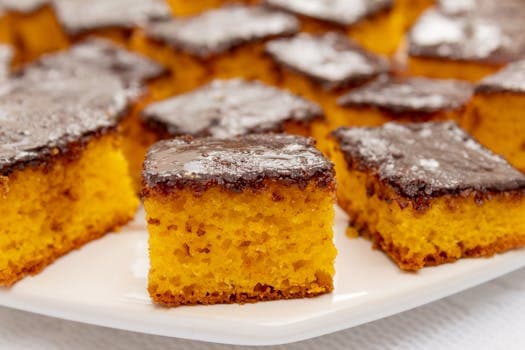
Bolo de Cenoura (Brazilian Carrot Cake with Chocolate Ganache)
Blender carrot cake topped with glossy chocolate brigadeiro icing — the ultimate Brazilian afternoon snack.
About This Recipe
Brazilian Bolo de Cenoura is nothing like its North American counterpart with cream cheese frosting and walnut studding. The Brazilian version is an intensely orange, incredibly moist blender cake made by liquefying the carrots directly into the batter (no grating required), producing a smooth, vibrant, carrot-forward cake that has no spices competing with its clean, sweet flavor. The topping is equally Brazilian: a thick, glossy chocolate brigadeiro sauce poured over the warm cake, set into a crackling, fudgy glaze. The blender method is the genius of this recipe — no grating, no peeling and grating board, no orange hands. Raw carrots, eggs, oil and sugar go directly into the blender until completely smooth, then flour and baking powder are folded in. The result is a uniformly orange, ultra-moist crumb that is quintessentially Brazilian in its simplicity and satisfying flavor combination. Bolo de Cenoura is the most popular cake in Brazil for afternoon coffee (o cafezinho) — served in homes, bakeries and coffee shops nationwide, the slab of carrot cake with its glossy chocolate top is as Brazilian as brigadeiro and pão de queijo. Make it on a Sunday afternoon, serve slightly warm so the chocolate topping is still glossy and soft, with a strong cup of Brazilian coffee.
Ingredients
Serves 12
- 3 mediumcarrots(peeled and roughly chopped (about 300g))
- 3 largeeggs
- 1 cupvegetable oil
- 2 cupsgranulated sugar
- 2½ cupsall-purpose flour
- 1 tbspbaking powder
- ½ tspsalt
- 1 can (14 oz)sweetened condensed milk(for chocolate ganache)
- 4 tbspunsalted butter(for ganache)
- 4 tbspunsweetened cocoa powder(for ganache)
Instructions
- 1
Blend the wet batter
Blend carrots, eggs, oil and sugar until completely smooth — about 2 minutes. The mixture should be uniformly orange with no carrot chunks.
Blend until perfectly smooth — any carrot chunks create uneven texture in the cake.
- 2
Fold in dry ingredients
In a large bowl, combine flour, baking powder and salt. Pour in the carrot mixture and fold until just combined. Do not overmix.
- 3
Bake
Pour into a greased and floured 9×13 pan. Bake at 350°F for 35–40 minutes until a toothpick comes out clean and the top is golden.
- 4
Make chocolate ganache (brigadeiro)
While cake bakes, combine condensed milk, cocoa powder and butter in a saucepan over medium-low heat. Stir constantly until mixture thickens slightly and pulls from the sides, about 8 minutes.
The ganache should be thick enough to coat a spoon but still pourable — it continues thickening as it cools.
- 5
Pour and set
Pour warm ganache over the just-baked warm cake. Spread evenly. Let cool 20 minutes before slicing — the ganache sets into a glossy, slightly fudgy layer.
Did you make this?
Rate it and help other cooks find the recipes that actually work.
One tap to sign in, and we'll save the rating you just picked.
Everything you need to plan your week — free
- Meal calendar
- Grocery list
- AI recipe ideas
Track what you eat
Snap your meal to log calories and macros, run fasting timers and track water in the free SnapCal app.
Pro Tips
- →
Brazilian bolo de cenoura has no spices (no cinnamon, nutmeg) — the clean carrot flavor is the point.
- →
Pour the ganache while the cake is still slightly warm — it spreads more easily and seeps into any cracks.
- →
The blender method produces a smoother, more even cake than grated carrot. Don't skip it.
Variations
- •
Cream cheese frosting version: for a cross-cultural approach, substitute North American cream cheese frosting.
- •
Walnut addition: fold ¾ cup toasted walnuts into the batter just before baking.
- •
Orange Bolo de Cenoura: add 1 tbsp orange zest to the blender and substitute 2 tbsp of the oil with orange juice.
Storage
Store covered at room temperature up to 3 days or refrigerate up to 5 days. The ganache topping stays glossy and firm at room temperature.
History & Origin
Bolo de cenoura appeared in Brazilian home cooking in the mid-20th century as carrot production expanded in São Paulo state. The recipe combines the Portuguese tradition of vegetable cakes with the Brazilian innovation of the blender (which arrived in Brazilian kitchens in the 1950s) and the ever-present brigadeiro topping. It became the most popular cake in Brazilian bakeries by the 1970s and has never been displaced.
Frequently Asked Questions
Why is Brazilian carrot cake different from American carrot cake?
Brazilian carrot cake uses blended (not grated) carrots and has no spices, nuts or cream cheese frosting. The chocolate topping is a brigadeiro-style ganache. American carrot cake is spiced, often contains nuts, and is topped with cream cheese frosting.
Can I use pre-shredded carrots?
For the traditional Brazilian blender method, you need whole raw carrots that can be blended. Pre-shredded won't work in the blender. If using pre-shredded, add 2 tablespoons extra oil and fold them directly into the batter.
Can I make this cake ahead of time?
Yes — bake the cake up to a day ahead and store it covered at room temperature, then pour the warm ganache over it just before serving for the glossiest finish.
Can I substitute the condensed milk ganache?
A simple chocolate buttercream or a classic dark chocolate ganache (cream and chocolate) both work, though you'll lose the fudgy, ultra-sweet brigadeiro character that defines the Brazilian version.
Nutrition Facts
Per serving (350g / 12.3 oz) · 12 servings total
Time Summary
Have Questions?
Ask our AI cooking assistant anything about this recipe — substitutions, techniques, scaling.
Chat with AI Chef →Featured in Guides
This recipe is featured in the following curated guides:
More Brazilian Recipes
You Might Also Like
Similar dishes from other cuisines around the world.
Browse by Ingredient
More recipes built around the same core ingredients.
Free Kitchen Tools
Calculators and converters that pair with this page — no signup needed.
Put This Into a Plan
Schedule it, shop for it, and track what you already have.
Read Next
Longer reads that go deeper on the ideas behind this dish.
Community
Join the conversation
Sign in to leave a comment and save your favourite recipes