
Budu Rice
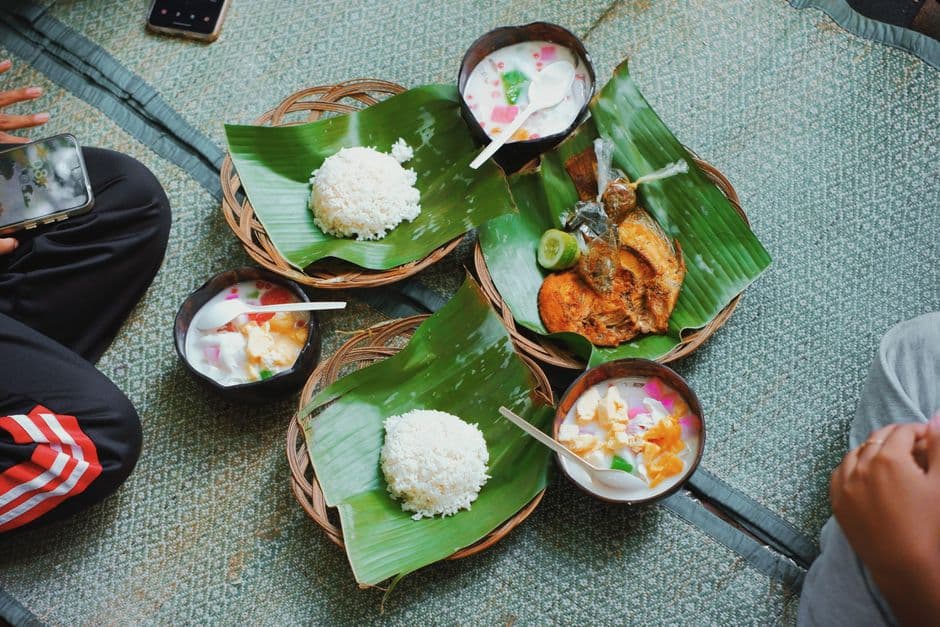
Fragrant rice cooked with fermented fish sauce, a staple of East Timorese home cooking.
About This Recipe
Budu rice is one of the most honest expressions of East Timorese everyday cooking. Budu — a thick, mahogany-coloured fermented anchovy sauce produced along the coasts of Malaysia and brought to Timor-Leste through centuries of Malay trading contact — is the soul of the dish. A spoonful stirred into freshly cooked jasmine rice transforms plain starch into something deeply savoury and complex, carrying the faint brine of the sea alongside the sweet funk of fermentation. The sauce is not merely a condiment here; it is the seasoning that gives the rice its identity. The complete plate is deceptively simple: a mound of budu-scented rice, a fried egg (ideally with a runny yolk that breaks and enriches each spoonful), a scattering of golden fried garlic, and a few cool cucumber slices to counterbalance the warmth. This combination appears on kitchen tables across Timor-Leste from Dili to Baucau, eaten for lunch or as a late-night hunger cure. The whole meal comes together in under 25 minutes, making it the quintessential working-day meal of the island nation. The beauty of budu rice lies in its restraint. Cooks who have grown up with it know instinctively how much sauce to add — enough to colour and perfume the rice without making it salty. If you are new to budu, start with one tablespoon per serving, taste, and adjust. The reward is a bowl that smells like the ocean and tastes like home.
Ingredients
Serves 2
- 300 gjasmine rice, rinsed
- 2 tbspbudu (fermented anchovy sauce) or fish sauce
- 3 clovesgarlic, minced
- 1 tbspvegetable oil
- 2eggs
- 1cucumber, sliced, to serve
- 2red chillies, sliced, optional
Instructions
- 1
Cook rice
Place rinsed rice and 480 ml water in a medium saucepan. Bring to a boil over high heat, then reduce heat to the lowest setting, cover tightly, and cook for 15 minutes. Remove from heat and let steam, still covered, for 5 more minutes. The grains should be tender and separated.
Do not lift the lid during steaming — the trapped steam is what finishes the rice evenly.
- 2
Fry garlic
While rice rests, heat vegetable oil in a small non-stick pan over medium heat. Add minced garlic and fry, stirring constantly, for 2–3 minutes until deep golden and fragrant but not burnt. The garlic will continue to colour from residual heat, so remove it just before it looks done.
Golden garlic turns bitter quickly; keep the heat moderate and have a plate lined with paper towel ready.
- 3
Season rice
Fluff the cooked rice with a fork, then drizzle the budu over the surface. Add three-quarters of the fried garlic and fold everything together gently with a spoon. Taste and add more budu if you prefer a stronger savour — start conservatively as budu is very concentrated.
If using fish sauce instead of budu, reduce quantity to 1½ tablespoons as it is saltier and thinner.
- 4
Fry eggs
Return the pan to medium heat and add a few drops of oil if needed. Crack eggs into the pan and fry sunny-side up for 2–3 minutes until the whites are set but the yolk remains liquid and glossy. Season the eggs lightly with a pinch of salt.
- 5
Plate and serve
Mound the seasoned rice in two bowls or on plates. Slide a fried egg on top of each portion. Scatter the reserved fried garlic over the egg and arrange cucumber slices and chilli (if using) alongside. Serve immediately while the egg yolk is still runny.
Did you make this?
Rate it and help other cooks find the recipes that actually work.
One tap to sign in, and we'll save the rating you just picked.
Everything you need to plan your week — free
- Meal calendar
- Grocery list
- AI recipe ideas
Cook this hands-free
Get AI meal plans, step-by-step cooking mode, and your saved recipes in the free Bento app.
Pro Tips
- →
Budu intensity varies by brand — the thick, dark Malaysian-style budu found in Asian supermarkets is ideal; start with one tablespoon and build up to taste.
- →
A drizzle of sambal oelek or fresh chilli slices cut through the richness and wake up the palate.
- →
For extra depth, fry a small handful of dried anchovies (ikan bilis) in the oil before the garlic; the anchovies add a toasty crunch that complements the fermented notes.
- →
Leftover rice works beautifully here — stir-fry it in the garlic oil for 2 minutes before adding the budu for a slightly crispier result.
- →
The runny yolk of the fried egg is not optional — it acts as a natural sauce, binding the rice and softening the pungency of the budu.
Variations
- •
Crispy anchovy budu rice: fry 30 g dried anchovies until golden and scatter over the finished bowl for a crunchy umami layer.
- •
Brown rice version: substitute brown jasmine rice, increase water to 560 ml, and extend cooking to 35 minutes for a nuttier, more fibrous result.
- •
Sambal egg: top with a soft-boiled egg that has been marinated in soy and sambal for 30 minutes instead of a fried egg.
- •
Vegetarian adaptation: replace budu with a tablespoon of miso dissolved in a teaspoon of rice vinegar — it mimics fermented depth without fish.
Storage
Budu rice is best eaten fresh while the egg yolk is still runny. Plain seasoned rice (without the egg) keeps refrigerated in an airtight container for up to 2 days; reheat in a microwave with a damp paper towel over the top or in a covered pan with a splash of water.
History & Origin
Budu sauce has been produced along the northeastern coast of the Malay Peninsula — particularly in Kelantan and Terengganu — for at least several centuries, where fishermen ferment anchovies with salt in clay pots for months before bottling. The sauce spread through maritime trade routes that connected the Malay world with Timor-Leste, where it found a permanent place in the local pantry. Today budu rice is considered one of the most emblematic comfort foods of Dili's home kitchens.
Frequently Asked Questions
Is budu the same as fish sauce?
Budu and fish sauce are related but distinct. Budu is thicker, darker, and more intensely fermented than Thai or Vietnamese fish sauce (nam pla or nuoc mam). It has a more complex, almost molasses-like depth. Fish sauce makes a usable substitute but use about 25% less to avoid over-salting the dish.
Where can I buy budu sauce?
Budu is sold in most Malaysian and Southeast Asian grocery stores, often labelled 'budu ikan bilis' or 'fermented anchovy sauce'. It is also available online. In a pinch, Filipino bagoong (fermented shrimp paste) or Japanese shottsuru (fermented fish sauce) offer a comparable funky depth.
Can I make budu rice ahead of time?
The seasoned rice itself keeps well for two days in the fridge, but fry the egg fresh each time — a cold, hard egg yolk ruins the dish's characteristic richness. Reheat the rice in a covered pan with a tablespoon of water so it steams back to fluffiness before adding the fresh egg.
Why does my rice taste too salty after adding budu?
Budu is highly concentrated and brands vary significantly in salinity. Always add it gradually — one tablespoon at a time — taste, then adjust. If the rice is already over-seasoned, a squeeze of lime juice and a few extra cucumber slices will help balance it without diluting the savoury depth.
Nutrition Facts
Per serving (380g / 13.4 oz) · 2 servings total
Time Summary
Have Questions?
Ask our AI cooking assistant anything about this recipe — substitutions, techniques, scaling.
Chat with AI Chef →Featured in Guides
This recipe is featured in the following curated guides:
More East-timorese Recipes
You Might Also Like
Similar dishes from other cuisines around the world.
Free Kitchen Tools
Calculators and converters that pair with this page — no signup needed.
Put This Into a Plan
Schedule it, shop for it, and track what you already have.
Read Next
Longer reads that go deeper on the ideas behind this dish.
Community
Join the conversation
Sign in to leave a comment and save your favourite recipes