
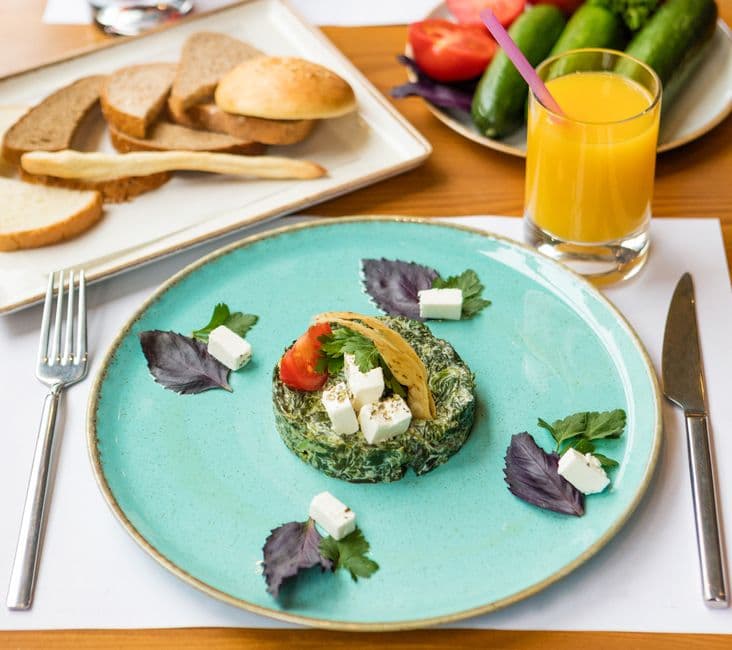
Banitsa (Bulgarian Cheese Filo Pie)
Crispy layers of filo pastry filled with eggs and crumbled sirene cheese, baked until golden. Bulgaria's most beloved breakfast pastry, eaten daily and on every holiday.
About This Recipe
Banitsa is the soul food of Bulgaria, consumed morning to night and prepared for every celebration from New Year's Eve to Easter. Thin sheets of commercial filo are brushed with oil and layered with a mixture of eggs and crumbled Bulgarian white cheese, then baked until the pastry is shatteringly crisp and golden. On New Year's Eve, a coin, dogwood twig, or written fortune is hidden inside each portion for good luck — this version is called 'Banitsa za Survaki.' It can be made round (in a circular pan) or as individual cylinders, and each Bulgarian household defends their grandmother's recipe as definitive.
Ingredients
Serves 8
- 500 gfilo pastry sheets (store-bought)
- 400 gBulgarian sirene (or feta), crumbled
- 4 largeeggs, beaten
- 200 gplain yogurt
- 150 mlsunflower oil, divided
- 1 tspbaking soda
Instructions
- 1
Make the filling
Whisk together beaten eggs, yogurt, and baking soda. Fold in crumbled sirene. The baking soda reacts with the yogurt to help the filling puff and become airy.
- 2
Prepare pan and oven
Brush a 30 cm round or 35×25 cm rectangular baking pan generously with oil. Preheat oven to 200°C (390°F).
- 3
Layer the filo
Lay one sheet of filo in the pan, letting it overhang the sides. Brush with oil. Lay another sheet, brush with oil. Spread 3–4 tablespoons of filling over the sheets.
- 4
Continue layering
Repeat the layering: two sheets of oiled filo, then filling, until all filo and filling are used, ending with two oiled filo sheets on top. Fold in any overhanging edges and brush the top generously with remaining oil.
- 5
Bake
Bake for 35–40 minutes until the top is deep golden and the pastry is crisp. If the top browns too quickly, cover loosely with foil after 25 minutes.
- 6
Rest and serve
Remove from oven and allow to cool for 10 minutes before cutting. Serve warm with plain yogurt or ayran (yogurt drink).
Did you make this?
Rate it and help other cooks find the recipes that actually work.
One tap to sign in, and we'll save the rating you just picked.
Everything you need to plan your week — free
- Meal calendar
- Grocery list
- AI recipe ideas
Track what you eat
Snap your meal to log calories and macros, run fasting timers and track water in the free SnapCal app.
Pro Tips
- →
Keep unused filo covered with a slightly damp cloth while working to prevent drying out.
- →
The baking soda and yogurt reaction makes the filling lighter — do not omit.
- →
For extra crispness, brush the very top layer with a mixture of oil and egg yolk.
- →
Taste and adjust salt at the very end — flavors concentrate as liquids reduce, and a final pinch of flaky salt sharpens the whole dish.
Variations
- •
Zelena banitsa: Replace cheese with wilted spinach and eggs for a green version.
- •
Tikvenik: Fill with sweetened grated pumpkin and walnuts for a dessert banitsa.
- •
Vegetarian: swap the protein for roasted king oyster mushrooms, smoked tofu or cooked chickpeas — adjust seasoning slightly upward to compensate.
- •
Spicier: add a finely chopped fresh chile or a teaspoon of crushed Aleppo/Urfa pepper to the aromatics for warm, layered heat instead of a single sharp hit.
Storage
Keep at room temperature for 1 day. Refrigerate for up to 3 days. Reheat in the oven at 180°C for 10 minutes — never microwave.
History & Origin
Banitsa has been made in Bulgaria for centuries, with roots in Ottoman börek traditions that spread across the Balkans. It evolved into a distinctly Bulgarian form with the use of yogurt in the filling and the round presentation. Today it is considered the national pastry of Bulgaria.
Frequently Asked Questions
Can I make banitsa the night before?
Assemble unbaked banitsa, cover, and refrigerate. Bake fresh in the morning. Alternatively, bake and reheat, though fresh-baked is superior.
My banitsa is soggy in the middle. What happened?
The filling was likely too wet. Drain the cheese thoroughly and do not over-fill each layer. Ensure your oven is fully preheated before baking.
Can I make this ahead of time?
Yes — most of the components can be prepared up to a day in advance and refrigerated separately. Reheat gently and assemble just before serving so textures stay distinct.
What can I substitute if I don't have all the ingredients?
Stay close to the role each ingredient plays: swap aromatics for similar ones (shallot for onion, lime for lemon), and keep the fat-acid-salt balance intact. Spice blends can usually be approximated with what's in the cupboard.
Nutrition Facts
Per serving (170g / 6.0 oz) · 8 servings total
Time Summary
Have Questions?
Ask our AI cooking assistant anything about this recipe — substitutions, techniques, scaling.
Chat with AI Chef →Featured in Guides
This recipe is featured in the following curated guides:
More Bulgarian Recipes
You Might Also Like
Similar dishes from other cuisines around the world.
Free Kitchen Tools
Calculators and converters that pair with this page — no signup needed.
Put This Into a Plan
Schedule it, shop for it, and track what you already have.
Read Next
Longer reads that go deeper on the ideas behind this dish.
Community
Join the conversation
Sign in to leave a comment and save your favourite recipes