
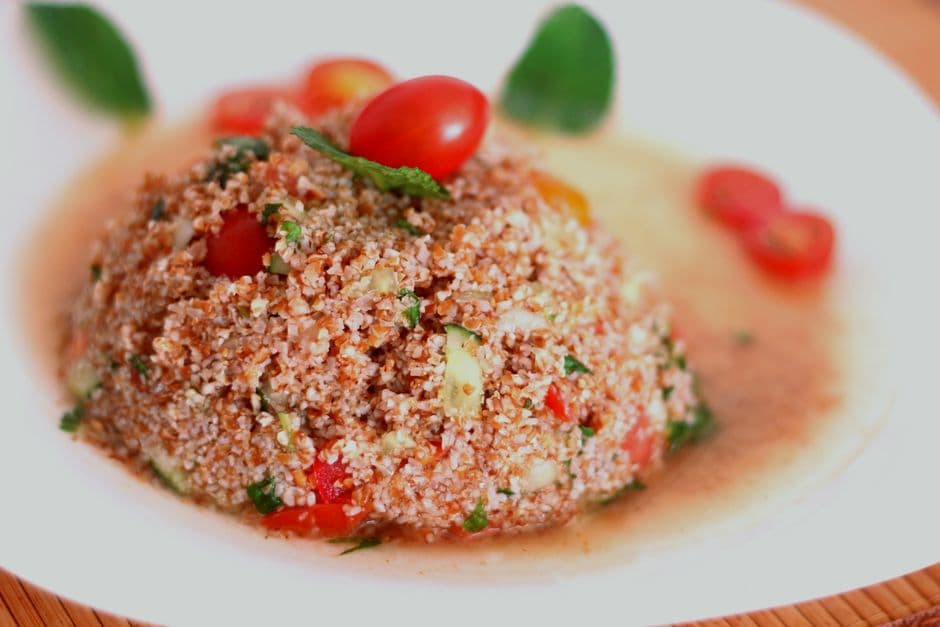
Bulgur Pilaf (Bulgur Pilavı)
Nutty, fluffy cracked wheat pilaf cooked with tomato, onion, and butter — a comforting Turkish staple more nutritious than rice and ready in 30 minutes.
About This Recipe
Bulgur pilavı (bulgur wheat pilaf) is one of the foundational dishes of Anatolian home cooking, eaten daily across Turkey from the Aegean coast to the Kurdish southeast. Bulgur is wheat that has been parboiled, dried, and cracked — the pre-cooking means it absorbs flavor rapidly and cooks much faster than rice, while retaining far more fiber and protein. In Turkish kitchens, the standard bulgur for pilaf is coarse-grade (iri bulgur), which holds its shape and provides pleasant texture. Fine bulgur (ince bulgur) is reserved for köfte and raw dishes like mercimek köftesi. The technique for a perfect bulgur pilav follows the same kavurma principle as rice pilaf: onion and sometimes vermicelli are first sautéed in butter until the butter smells nutty and the onion turns translucent. Tomato paste or finely diced tomatoes are then added, cooked briefly to concentrate their flavor, followed by the bulgur itself, which is toasted in the fat for a minute before hot stock or boiling water is poured in. The key ratio is 1.5 parts liquid to 1 part coarse bulgur — use too much water and you get mush; too little and it's gritty. After the liquid absorbs, the pan is covered with a folded tea towel under the lid to absorb steam, rested for 10 minutes, then fluffed with a fork. Served alongside grilled meats, yogurt, and a shepherd's salad, bulgur pilav is the wholesome, earthy counterpart to the glamour of a kebab.
Ingredients
Serves 4
- 300 gcoarse bulgur (iri bulgur)
- 1 mediumonion(finely diced)
- 1 mediumtomato(finely diced)
- 1 tbsptomato paste
- 2 tbspbutter
- 1 tbspolive oil
- 450 mlhot chicken or vegetable stock
- 1 tspsalt
- 1/2 tspblack pepper
- 1/4 tspAleppo pepper (pul biber)(optional)
Instructions
- 1
Sauté the Onion
Melt the butter with olive oil in a medium saucepan over medium heat. Add the diced onion and cook, stirring occasionally, for 5-6 minutes until softened and lightly golden. The butter should smell nutty — this sautéed base gives the pilaf its depth of flavor.
Using a mix of butter and oil prevents the butter from burning while still contributing its rich flavor.
- 2
Add Tomato Paste and Tomato
Stir the tomato paste into the onion and cook for 1 minute until it darkens slightly. Add the diced tomato and cook for 2 more minutes until the tomato breaks down and its juices evaporate.
- 3
Toast the Bulgur
Add the coarse bulgur to the pot and stir to coat every grain in the fat and tomato mixture. Cook for 1-2 minutes, stirring constantly, until the bulgur smells nutty and lightly toasted. This step prevents it from becoming gummy.
- 4
Add Stock and Cook
Pour the hot stock over the bulgur, add salt and pepper, and stir once to combine. Bring to a boil, then reduce heat to the lowest setting, cover tightly, and cook for 12-15 minutes until the liquid is fully absorbed and the surface looks dry with small steam holes.
- 5
Rest and Fluff
Remove from heat. Place a folded tea towel (or a sheet of paper towel) between the pot and the lid to absorb excess steam. Let the pilaf rest undisturbed for 10 minutes. Then remove the lid, fluff the bulgur gently with a fork, and serve immediately.
The tea-towel resting step is standard in all Turkish pilaf recipes — it produces a fluffier, drier result than resting without it.
Did you make this?
Rate it and help other cooks find the recipes that actually work.
One tap to sign in, and we'll save the rating you just picked.
Everything you need to plan your week — free
- Meal calendar
- Grocery list
- AI recipe ideas
Track what you eat
Snap your meal to log calories and macros, run fasting timers and track water in the free SnapCal app.
Pro Tips
- →
Use coarse bulgur (iri bulgur) — fine bulgur absorbs water too quickly and turns mushy. Coarse bulgur is available at Turkish grocery stores.
- →
The liquid-to-bulgur ratio is 1.5:1 by volume. Measure both precisely for perfect results every time.
- →
Always add hot stock (or boiling water) to the pan, not cold — adding cold liquid causes the bulgur to seize and cook unevenly.
- →
For a richer version, cook 50g of vermicelli pasta in the butter before adding the onion and bulgur — this is the standard Turkish restaurant method.
- →
A sprinkle of dried mint or flat-leaf parsley stirred in just before serving brightens the flavors.
Variations
- •
Nohutlu bulgur pilavi: add 200g canned chickpeas with the stock for a heartier, protein-rich pilaf.
- •
Domatesli şehriyeli bulgur pilavi: add thin vermicelli noodles (şehriye) toasted in butter alongside the bulgur.
- •
Yoğurtlu bulgur: serve each portion topped with a generous spoonful of cold garlic yogurt — a classic pairing in southeastern Anatolia.
- •
Vegan version: replace butter with olive oil and use vegetable stock.
Storage
Bulgur pilaf keeps well in an airtight container in the refrigerator for up to 3 days. Reheat in a pan with a splash of water or stock over low heat, covered, for 3-4 minutes until hot and steaming. Do not microwave in a closed container as it tends to dry out unevenly.
History & Origin
Bulgur has been a staple food in Anatolia for over 4,000 years — some food historians trace it to ancient Hittite communities in central Turkey. Unlike rice, which requires irrigation, wheat for bulgur grows readily in Anatolia's semi-arid climate, making bulgur the grain of the people. In regions where rice was too expensive, bulgur pilavı was eaten daily. It is recorded in Ottoman household accounts from the 15th century as a common supplement to grilled meats.
Frequently Asked Questions
What is the difference between coarse and fine bulgur?
Coarse bulgur (iri bulgur) is best for pilaf — it holds its shape, cooks to a fluffy texture, and has a pleasantly nutty bite. Fine bulgur (ince bulgur) absorbs water almost immediately and is used for raw preparations like kısır and mercimek köftesi. Using fine bulgur in a pilaf results in a mushy, porridge-like texture.
Can I use water instead of stock?
Yes, but the flavor will be significantly milder. If using water, add a pinch of chicken bouillon powder or an extra half teaspoon of salt and a pat of butter at the end to compensate.
Why is my bulgur pilaf gummy?
Either too much liquid was added, or the bulgur was not toasted properly before the liquid went in. Toasting the dry bulgur in fat for at least 1-2 minutes creates a barrier that keeps the grains separate. Also ensure you rest the pilaf with the tea-towel method before fluffing.
Is bulgur pilaf gluten-free?
No. Bulgur is made from wheat and contains gluten. For a gluten-free grain pilaf in the Turkish style, substitute quinoa or rice using the same method and seasonings.
Nutrition Facts
Per serving (200g / 7.1 oz) · 4 servings total
Time Summary
Have Questions?
Ask our AI cooking assistant anything about this recipe — substitutions, techniques, scaling.
Chat with AI Chef →Featured in Guides
This recipe is featured in the following curated guides:
More Turkish Recipes
You Might Also Like
Similar dishes from other cuisines around the world.
Free Kitchen Tools
Calculators and converters that pair with this page — no signup needed.
Put This Into a Plan
Schedule it, shop for it, and track what you already have.
Read Next
Longer reads that go deeper on the ideas behind this dish.
Community
Join the conversation
Sign in to leave a comment and save your favourite recipes