
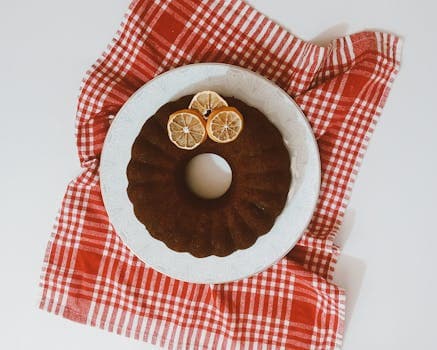
Bundt Cake
Tender vanilla buttermilk bundt cake with a fine crumb and a simple sugar glaze.
About This Recipe
A bundt cake is a classic American dessert baked in a distinctive fluted, ring-shaped pan that gives it an elegant sculpted form and lots of golden, buttery edges. This versatile vanilla buttermilk version has a rich, moist, fine-textured crumb, sturdy enough to release cleanly from the pan yet tender on the fork. Buttermilk adds tang and softness, while a generous amount of butter and vanilla make it deeply flavorful. Finished with a simple drizzle of glaze that pools into the cake's grooves, it needs no frosting to impress. Easy to make and beautiful to serve, it's perfect for brunches, potlucks, and gifting.
Ingredients
Serves 12
- 3 cupsall-purpose flour
- 1 tspbaking powder
- 0.5 tspbaking soda
- 0.5 tspsalt
- 1 cupunsalted butter, softened
- 2.5 cupsgranulated sugar
- 4 largeeggs
- 1 cupbuttermilk
- 1 tbspvanilla extract
- 1.5 cupspowdered sugar (for glaze)
- 3 tbspmilk (for glaze)
Instructions
- 1
Prep the pan
Generously grease and flour every crevice of a 10-12 cup bundt pan and preheat the oven to 350F.
Thorough greasing is critical so the cake releases cleanly from the fluted pan.
- 2
Whisk the dry ingredients
Combine the flour, baking powder, baking soda, and salt in a bowl.
- 3
Cream butter and sugar
Beat the softened butter and sugar until light and fluffy, about 4 minutes.
Proper creaming traps air for a light crumb.
- 4
Add eggs and vanilla
Beat in the eggs one at a time, then add the vanilla, scraping the bowl as needed.
- 5
Alternate dry and buttermilk
Add the dry ingredients in three additions, alternating with the buttermilk, mixing just until combined.
Begin and end with the flour to keep the batter stable.
- 6
Bake
Spread the batter into the pan and bake 50-55 minutes until a skewer comes out clean.
- 7
Cool and glaze
Cool in the pan 15 minutes, then invert onto a rack. Once cool, whisk the powdered sugar and milk into a glaze and drizzle over the cake.
Letting the cake cool before glazing keeps the glaze from melting away.
Did you make this?
Rate it and help other cooks find the recipes that actually work.
One tap to sign in, and we'll save the rating you just picked.
Everything you need to plan your week — free
- Meal calendar
- Grocery list
- AI recipe ideas
Track what you eat
Snap your meal to log calories and macros, run fasting timers and track water in the free SnapCal app.
Pro Tips
- →
Grease the bundt pan thoroughly, including every groove.
- →
Don't overmix once the flour is added.
- →
Cool 15 minutes before inverting so the cake releases cleanly.
- →
Use room-temperature ingredients for an even batter.
- →
Tap the filled pan to release air bubbles.
Variations
- •
Add lemon or orange zest to the batter.
- •
Swirl in cinnamon sugar for a marble effect.
- •
Fold in fresh berries or chocolate chips.
- •
Soak with a vanilla or rum syrup for extra moisture.
Storage
Store covered at room temperature for up to 4 days; the cake stays moist thanks to the buttermilk.
History & Origin
The bundt pan was popularized in the 1950s by Nordic Ware, inspired by traditional European Gugelhupf molds. A bundt cake won second place in the 1966 Pillsbury Bake-Off, sparking a nationwide craze that made the ring-shaped cake an American staple.
Frequently Asked Questions
How do I keep a bundt cake from sticking?
Grease the pan thoroughly, getting butter or baking spray into every flute and groove, then dust with flour and tap out the excess. A baking spray with flour works especially well. Let the cake cool in the pan for exactly 15 minutes before inverting, too long and it sticks, too short and it can break.
Why did my bundt cake come out dense?
Density usually comes from overmixing the batter after adding flour, which develops gluten, or from under-creaming the butter and sugar, which means less air. Measure flour accurately by spooning and leveling, use room-temperature ingredients, and mix just until combined. A properly creamed, gently mixed batter yields a light, fine crumb.
Can I use any cake recipe in a bundt pan?
Sturdy, butter-based pound cake and bundt recipes work best because they hold the detailed shape and release cleanly. Light, delicate cakes like angel food or very soft sponge cakes can stick or collapse. Make sure your batter volume matches the pan's capacity, usually 10 to 12 cups, to avoid overflow or a short cake.
Nutrition Facts
Per serving (130g / 4.6 oz) · 12 servings total
Time Summary
Have Questions?
Ask our AI cooking assistant anything about this recipe — substitutions, techniques, scaling.
Chat with AI Chef →Featured in Guides
This recipe is featured in the following curated guides:
More American Recipes
You Might Also Like
Similar dishes from other cuisines around the world.
Browse by Ingredient
More recipes built around the same core ingredients.
Free Kitchen Tools
Calculators and converters that pair with this page — no signup needed.
Put This Into a Plan
Schedule it, shop for it, and track what you already have.
Community
Join the conversation
Sign in to leave a comment and save your favourite recipes