
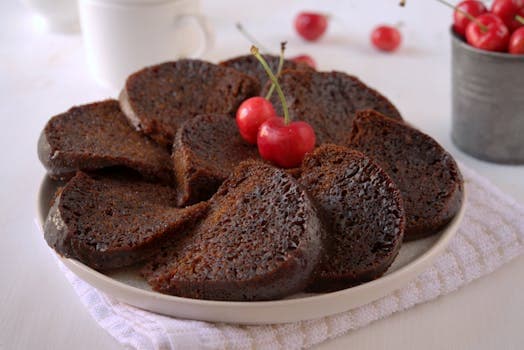
BVI Dark Rum Cake
Moist, boozy bundt cake soaked in aged dark rum — a festive island treat.
About This Recipe
Dark rum cake is the quintessential celebration cake of the British Virgin Islands and the broader Caribbean, as deeply tied to island identity as saltfish and fungi. At Christmas, birthdays, weddings, and family gatherings across the BVI, no celebration is complete without a dense, amber-coloured bundt cake glistening from its rum soak. These cakes are baked weeks in advance, wrapped in rum-soaked cheesecloth or parchment, and gifted in festive tins — improving in flavour and moisture with every passing day as the alcohol slowly permeates every crumb. The technique behind a great rum cake is built on two pillars: a properly creamed butter-and-sugar base that traps enough air to give the crumb lift despite the dense, moist ingredients, and the rum soak applied while the cake is still warm from the oven. Hot cake absorbs liquid like a sponge; cold cake repels it. Using a skewer or fork to poke dozens of holes through the cake before brushing on the rum dramatically increases the surface area for absorption, ensuring the rum reaches the very centre rather than just coating the outside. The key is patience — brush in stages, letting each application absorb fully before the next. BVI bakers swear by aged dark rum such as Pusser's (the territory's own storied rum brand), Mount Gay, or Myers's — the molasses depth and caramel notes of an aged rum complement the brown sugar and vanilla in the batter far better than white rum or cheaper blends. The finished cake should be intensely moist, deeply fragrant, and carry that unmistakable warmth that makes every bite feel like a celebration.
Ingredients
Serves 12
- 2 cupsall-purpose flour
- 1 cupdark rum(divided)
- 3eggs
- 1 cupunsalted butter(softened)
- 1½ cupsbrown sugar
- 1 tspvanilla extract
Instructions
- 1
Prepare and preheat
Preheat the oven to 175 °C (fan 160 °C / 350 °F). Generously grease a 10-cup bundt tin with softened butter, making sure to coat every ridge and crevice, then dust with flour, tapping out the excess. This thorough greasing is crucial — bundt cakes are notoriously prone to sticking, and a cake that tears on unmoulding cannot be saved.
Alternatively, use Baker's Joy spray (flour + oil in one can) for foolproof bundt release.
- 2
Cream butter and sugar
Beat the softened butter and brown sugar together with an electric mixer on medium-high speed for 4–5 full minutes until the mixture is pale, noticeably increased in volume, and very light and fluffy. This extended creaming is what gives the cake lift — rush it and the crumb will be dense and heavy. The mixture should look almost cream-coloured and hold soft peaks.
Butter and eggs must be at room temperature (20–22 °C). Cold butter will not cream properly; cold eggs will curdle the batter.
- 3
Add eggs and vanilla
Add the eggs one at a time, beating on medium speed for 30 seconds after each addition until fully incorporated before adding the next. If the batter looks curdled or grainy, add a tablespoon of the measured flour and continue beating — it will come back together. Beat in the vanilla extract last.
- 4
Fold in flour and rum
With the mixer on low, add the flour in three additions, alternating with ¾ cup of the rum in two additions (flour–rum–flour–rum–flour). Begin and end with flour, and mix only until each addition just disappears — overbeating at this stage develops gluten and makes the cake tough. The finished batter should be smooth, thick, and pourable.
- 5
Bake
Pour the batter into the prepared bundt tin and smooth the top. Tap the tin gently on the counter three times to release any large air bubbles. Bake at 175 °C for 55–60 minutes until a wooden skewer inserted into the thickest part comes out with just a few moist crumbs (not wet batter). The cake will pull away from the sides slightly when done.
If the top is browning too quickly after 40 minutes, cover loosely with a sheet of foil and continue baking.
- 6
Soak with rum while warm
Remove the cake from the oven and let it cool in the tin for exactly 10 minutes — long enough to firm slightly but still warm enough to absorb liquid efficiently. Use a thin skewer or cocktail stick to poke 40–50 holes all over the bottom (now the top) of the cake. Slowly pour and brush the remaining ¼ cup rum over the surface in several passes, allowing each application to absorb before adding more.
- 7
Cool and unmould
Let the soaked cake cool completely in the tin — at least 1 hour. Invert onto a wire rack or serving plate, gently tapping the tin to release. If it sticks, run a thin palette knife carefully around the inner and outer edges before trying again. The finished cake should be glossy, deeply amber, and richly fragrant with rum.
Did you make this?
Rate it and help other cooks find the recipes that actually work.
One tap to sign in, and we'll save the rating you just picked.
Everything you need to plan your week — free
- Meal calendar
- Grocery list
- AI recipe ideas
Cook this hands-free
Get AI meal plans, step-by-step cooking mode, and your saved recipes in the free Bento app.
Pro Tips
- →
Use Pusser's Navy Rum (the BVI's own brand), Mount Gay Eclipse, or Myers's dark rum — the aged molasses character of dark rum is essential. White rum or spiced rum produces a noticeably inferior result.
- →
The cake genuinely improves over 2–3 days as the rum continues to permeate the crumb. Bake it at least a day before you plan to serve it for the best flavour.
- →
Weigh your flour using a kitchen scale (250 g per cup) — scooping directly with a measuring cup compresses the flour and can add 20–30% too much, making the cake dry and dense.
- →
For a showstopping glaze, combine ½ cup each of butter, sugar, water, and dark rum in a saucepan, bring to a boil, and pour the hot glaze over the cake immediately after unmoulding — it creates a sticky, crackled rum toffee surface.
- →
To make this a traditional Caribbean black cake, soak 200 g of mixed dried fruits (raisins, prunes, cherries) in rum for at least 2 weeks before folding into the batter with ½ teaspoon each of cinnamon and allspice.
Variations
- •
Traditional black fruit cake: soak mixed dried fruit (raisins, prunes, cherries, mixed peel) in rum for 2 weeks to 6 months, then fold into the batter with warm spices — the version given as Christmas gifts across the entire Caribbean.
- •
Rum-butter glaze finish: make a warm rum-butter glaze (4 tbsp each of butter, sugar, water, and rum simmered together) and pour over the just-unmoulded warm cake for a caramelised, sticky exterior reminiscent of upscale bakery versions.
- •
Individual rum cakes: divide the batter into well-greased mini bundt pans (6-cup) and bake for 30–35 minutes — ideal for gifting in individual boxes.
- •
Non-alcoholic version: substitute the rum in the batter and soak with a combination of dark molasses, apple cider vinegar, and rum extract — the flavour is different but similarly rich and deeply coloured.
Storage
Wrapped tightly in plastic wrap or stored in an airtight tin, BVI rum cake keeps at room temperature for up to 1 week — and actually improves in flavour and moisture over days 2–4. For longer storage, wrap in rum-soaked parchment or cheesecloth and refrigerate for up to 1 month, or freeze (well-wrapped) for up to 3 months. Thaw at room temperature overnight before serving.
History & Origin
Rum cake's Caribbean origin is inseparable from the history of the sugar and rum industry. From the seventeenth century onward, sugarcane plantations across the Caribbean produced rum as a by-product of sugar refining, making aged rum the most affordable and abundant local spirit by the eighteenth century. Home bakers began incorporating it into celebration cakes — first as a preservative for fruit-laden Christmas cakes that needed to last weeks without refrigeration, then as a flavouring agent in its own right. In the BVI, the establishment of Pusser's Rum as a local brand (named for the British Royal Navy's daily rum ration) gave islanders a point of patriotic pride in their rum cake, and the tradition of gifting rum cakes at Christmas remains very much alive today.
Frequently Asked Questions
Is rum cake safe for children or non-drinkers?
The rum in the batter loses a significant portion of its alcohol during baking, but the post-bake soak adds back a meaningful quantity of alcohol that does not fully evaporate. A slice contains roughly the equivalent of a light sip of rum. For a non-alcoholic version, substitute rum extract (1 teaspoon) plus apple juice in the batter, and skip the soak entirely or use orange juice with a few drops of rum extract.
Which rum is best for rum cake?
Aged dark rum is essential — Pusser's Navy Rum (the BVI's local brand) is the traditional choice, but Mount Gay Eclipse, Myers's Original Dark, or Appleton Estate 12-Year all work beautifully. The molasses depth and caramel notes of an aged dark rum are what give the cake its signature flavour. White rum or spiced rum produce a noticeably thinner, less complex result.
Why did my rum cake stick to the bundt tin?
Bundt tins are notoriously unforgiving — even a small amount of inadequate greasing causes sticking. Use softened butter (not spray alone) to coat every ridge thoroughly, then dust with flour. Alternatively, Baker's Joy flour-and-oil spray provides very reliable release. Most importantly, let the cake cool at least 1 hour in the pan before attempting to unmould — rushing this is the most common cause of torn cakes.
Can I make rum cake ahead of time?
Not only can you — you should. The flavour and texture improve dramatically over the first 2–3 days as the rum permeates the crumb. Many Caribbean bakers make their Christmas rum cakes 2–4 weeks in advance, wrapping them in rum-soaked cheesecloth and storing in airtight tins, re-soaking with a tablespoon of rum every few days.
Nutrition Facts
Per serving · 12 servings total
Time Summary
Have Questions?
Ask our AI cooking assistant anything about this recipe — substitutions, techniques, scaling.
Chat with AI Chef →Featured in Guides
This recipe is featured in the following curated guides:
More Bvi Recipes
You Might Also Like
Similar dishes from other cuisines around the world.
Free Kitchen Tools
Calculators and converters that pair with this page — no signup needed.
Put This Into a Plan
Schedule it, shop for it, and track what you already have.
Community
Join the conversation
Sign in to leave a comment and save your favourite recipes