
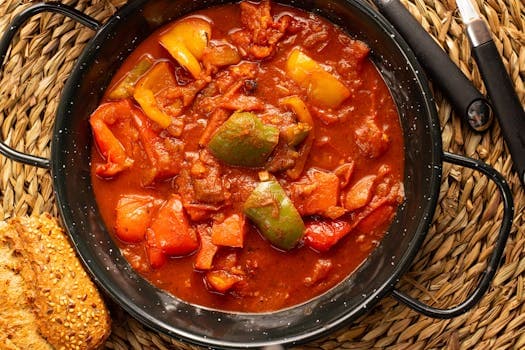
BVI Stewed Saltfish with Peppers
Flaked salted cod braised with onions, sweet peppers, and tomatoes.
About This Recipe
Stewed saltfish is the kind of dish that defines a cuisine — simple, economical, deeply satisfying, and carrying centuries of history in every bite. Salt cod (bacalao) arrived in the Caribbean as a trade commodity in the sixteenth and seventeenth centuries: Portuguese and British fishing fleets salted and dried Atlantic cod to preserve it for the transatlantic voyage, and it became both a cheap protein source for enslaved workers and a staple ingredient that creative Caribbean cooks transformed into something transcendent. In the BVI, stewed saltfish is a beloved breakfast and early-lunch dish, served alongside fungi, boiled dumplings, or a thick slice of johnny cake. The preparation demands patience in one critical step: desalting. Saltfish straight from the packet is aggressively salty — far too saline to eat. Traditional cooks soak it overnight in multiple changes of cold water, reducing the salt to a manageable level that seasons the dish rather than overwhelming it. For those short on time, a double boil (boiling in fresh water for 5 minutes, draining, and repeating) achieves a similar result in 15 minutes. The salt level of the finished fish varies between brands and batches, so the golden rule is always to taste before adding any additional seasoning. The stewing process is straightforward but flavour-forward: a fragrant sofrito of onion, garlic, and colourful bell peppers is built in the pan before the flaked fish is folded in with chopped tomatoes. The whole thing stews briefly over low heat, the tomatoes collapsing into a glossy sauce that binds the flakes together and tempers any remaining salinity. A scotch bonnet adds the signature Caribbean warmth that ties the dish to the islands and lifts it above any similar preparation from elsewhere in the world.
Ingredients
Serves 4
- 400 gsaltfish (salted cod)(soaked overnight, flaked)
- 1onion(sliced)
- 1red bell pepper(sliced)
- 2tomatoes(chopped)
- 2 tbspvegetable oil
- ½ tspblack pepper
Instructions
- 1
Desalt the saltfish
The night before: place the saltfish in a large bowl, cover generously with cold water, and refrigerate overnight, changing the water at least twice. If cooking same-day, use the quick method: place the fish in a pot, cover with cold water, and bring to a boil. Drain and discard the water, add fresh cold water, bring to a boil again, and drain once more. This double-boil method removes most of the salt in about 15 minutes, though overnight soaking produces a more evenly desalted result.
After desalting, taste a small piece before cooking — it should taste pleasantly saline, like well-seasoned food, not aggressively salty. If still too salty, boil once more in fresh water.
- 2
Flake the fish
Drain the desalted saltfish and let cool enough to handle. Remove any skin and pin bones by running your fingers along the flesh — the bones should slip out easily after boiling. Flake the fish into pieces roughly 2–3 cm in size, keeping some texture; do not shred it to a paste. Set aside.
- 3
Build the sofrito
Heat the vegetable oil in a wide, shallow sauté pan or skillet over medium heat. Add the sliced onion and cook, stirring occasionally, for 5–6 minutes until soft, translucent, and just beginning to take colour at the edges. Add the sliced red bell pepper and cook another 3–4 minutes until it softens and the pan smells fragrant.
A finely diced scotch bonnet (seeds removed) added with the pepper gives the authentic BVI flavour — add it here for fully integrated heat, or add it whole to the stew and remove before serving for milder warmth.
- 4
Add tomatoes
Add the chopped tomatoes to the pan and stir to combine with the sofrito. Cook over medium heat for 4–5 minutes, pressing the tomatoes gently with a spatula, until they have broken down into a rough sauce and most of their liquid has evaporated. The sofrito should look glossy and cohesive at this stage.
- 5
Stir in saltfish and stew
Add the flaked saltfish and black pepper to the pan. Fold everything together gently — you want the fish to stay in recognisable flakes rather than becoming mashed. Reduce heat to low, cover, and stew for 10 minutes, stirring once or twice, until the fish has absorbed the flavours of the sofrito and the dish looks unified and glossy.
- 6
Taste, season, and serve
Taste the saltfish carefully before adding any salt — residual salinity varies enormously between brands and soaking times. Add fresh thyme leaves, a pinch of black pepper, and only the salt the dish actually needs. Serve immediately over fungi, rice, or with johnny cake.
Did you make this?
Rate it and help other cooks find the recipes that actually work.
One tap to sign in, and we'll save the rating you just picked.
Everything you need to plan your week — free
- Meal calendar
- Grocery list
- AI recipe ideas
Cook this hands-free
Get AI meal plans, step-by-step cooking mode, and your saved recipes in the free Bento app.
Pro Tips
- →
Never skip the desalting step. Unskipped saltfish is genuinely inedible and will ruin the whole dish — the overnight soak is best, or at minimum the double-boil quick method.
- →
Add 2–3 sprigs of fresh thyme to the sofrito stage — the volatile oils in thyme bloom in the hot fat and infuse the entire dish with a herbal warmth that dried thyme cannot replicate.
- →
The colour of your bell peppers matters for flavour: red or yellow peppers are sweeter and less bitter than green, which is why the BVI version of this dish is more rounded and less sharp than similar preparations using all-green peppers.
- →
For a richer version, add 1 tablespoon of tomato paste to the sofrito before adding the chopped tomatoes — this deepens the colour and adds a concentrated tomato flavour that makes the sauce cling better to the fish flakes.
- →
Saltfish dishes taste better the next day. If you have time, make the stew in the evening and reheat for breakfast — the flavours meld and the fish absorbs the sauce overnight.
Variations
- •
Saltfish and eggs: scramble 3 beaten eggs directly into the finished saltfish stew and stir until just set — the BVI equivalent of Jamaica's ackee and saltfish, served at breakfast with bread or johnny cake.
- •
Tomato-free version: omit the tomatoes and add 2 tablespoons of coconut milk instead for a richer, tropical version popular in some BVI households.
- •
Saltfish buljol: serve the desalted, flaked fish cold rather than stewed, tossed with raw tomato, onion, sweet pepper, and a drizzle of oil — the Trinidad and Tobago version that doubles as a refreshing lunch salad.
- •
Jerk-spiced saltfish: rub the desalted fish with 1 teaspoon of jerk seasoning before adding it to the sofrito for a spiced variation with Jamaican influences.
Storage
Stewed saltfish keeps refrigerated in an airtight container for up to 3 days. Reheat gently in a pan over low heat with a splash of water to prevent drying out. The flavour actually improves overnight as the fish fully absorbs the sofrito. Desalted but not yet cooked saltfish can be refrigerated for 24 hours in cold water, changing the water once.
History & Origin
The transatlantic salt cod trade was one of the defining commercial networks of the early modern world, stretching from the Grand Banks fishing grounds off Newfoundland to Portugal, Spain, West Africa, and the Caribbean. Salt cod became the primary protein ration provided to enslaved workers on Caribbean plantations from the seventeenth century onward — not by choice, but by colonial economic necessity. What Caribbean cooks created with this cheap, preserved ingredient — transforming it through sofrito, tropical vegetables, and island spices into something genuinely delicious — is one of the great culinary stories of the African diaspora. The BVI version of stewed saltfish is directly descended from this history and remains a daily staple across the island to this day.
Frequently Asked Questions
Where can I buy saltfish (salt cod)?
Saltfish is sold at Caribbean grocery stores, Portuguese and Spanish food markets (where it is labelled bacalhau or bacalao), and many large supermarkets in cities with Caribbean communities. It is usually sold in wooden boxes or vacuum-sealed packets in the dried or salted fish section. Online retailers ship it widely. The best quality saltfish is pale cream to yellow, not grey, and smells of the sea rather than ammonia.
How do I know when I've soaked it long enough?
Taste a small pinch of the raw desalted fish after soaking. It should taste seasoned and pleasantly saline — similar to well-seasoned food — not aggressively salty or face-puckering. If it is still very salty, change the water and soak for another 2–4 hours, or run through the quick double-boil method once more.
Can I substitute another fish for salt cod?
Smoked haddock (finnan haddie) is the closest widely available substitute — it has a similarly firm, flaky texture and preserved fish character, though it is smokier rather than purely saline. Desalt it with just one brief boil or soak for 1 hour. Fresh cod, snapper, or tilapia can be used but will taste completely different — pleasant, but not authentic.
Is stewed saltfish the same as ackee and saltfish?
They are related but distinct national dishes. Jamaica's ackee and saltfish uses the same desalted, flaked saltfish base but adds ackee fruit (a uniquely Jamaican ingredient with a soft, egg-like texture) and is more commonly eaten at breakfast. BVI stewed saltfish uses bell peppers and tomatoes as the primary accompaniments and is equally at home at breakfast or lunch.
Nutrition Facts
Per serving · 4 servings total
Time Summary
Have Questions?
Ask our AI cooking assistant anything about this recipe — substitutions, techniques, scaling.
Chat with AI Chef →More Bvi Recipes
You Might Also Like
Similar dishes from other cuisines around the world.
Free Kitchen Tools
Calculators and converters that pair with this page — no signup needed.
Put This Into a Plan
Schedule it, shop for it, and track what you already have.
Read Next
Longer reads that go deeper on the ideas behind this dish.
Community
Join the conversation
Sign in to leave a comment and save your favourite recipes