
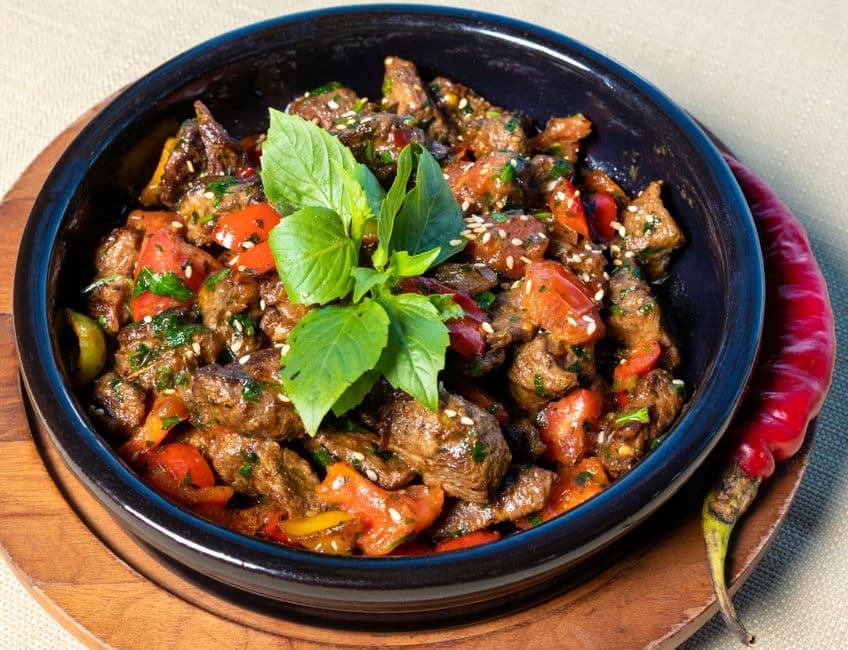
Caponata (Sicilian Eggplant Stew)
A bittersweet Sicilian eggplant dish with tomato, olives, capers, and a touch of vinegar — complex, savory, and utterly addictive.
About This Recipe
Caponata is one of Sicily's most iconic dishes, a bittersweet eggplant stew that is served cold or at room temperature as an appetizer, side dish, or part of an antipasto platter. The dish combines fried eggplant with tomatoes, olives, capers, onions, and a splash of red wine vinegar, creating a balance of savory, salty, sweet, and sour that is quintessentially Sicilian. The flavors come from layers of influence: the eggplant and vegetables are Arab-inspired (Arabs introduced eggplant to Sicily in the 9th century), the use of vinegar and sugar suggests Spanish influence, and the overall flavor profile is distinctly Sicilian. Caponata is meant to be made ahead — the flavors develop and meld over time, and it is best served at room temperature. It can be eaten as a tapa with bread, as a side dish with grilled fish, or as part of an antipasto. The preparation is straightforward but requires patience as the eggplant is fried (traditionally) or baked in modern, lighter versions. Caponata keeps well, making it ideal for entertaining.
Ingredients
Serves 6
- 800 geggplant, cut into 2 cm cubes (about 2 medium eggplants)
- 1 largeonion, diced
- 400 gcanned crushed tomatoes (or 4 fresh tomatoes, diced)
- 100 ggreen olives (Sicilian if possible), roughly chopped
- 3 tbspcapers in brine, rinsed and drained
- 60 mlred wine vinegar (or 3 tbsp vinegar + 1 tbsp red wine)
- 2 tbspsugar
- 3 tbsppine nuts (optional but traditional)
- 2 clovesgarlic, minced
- 60 mlolive oil (for frying eggplant) or vegetable oil
- 1 small bunchfresh basil or parsley (for garnish)
- 1 pinchsea salt
- 1 pinchfreshly ground black pepper
Instructions
- 1
Prepare the eggplant
Cut eggplant into 2 cm cubes. Toss with salt and let sit in a colander for 30 minutes — this draws out water and helps the eggplant fry more efficiently. Pat dry with paper towels before frying.
- 2
Fry the eggplant
Heat olive oil in a large skillet over medium-high heat. Working in batches to avoid crowding, fry the eggplant cubes until golden brown on all sides (about 8–10 minutes total). The eggplant should be tender and caramelized on the edges. Transfer to a plate lined with paper towels.
- 3
Cook the onion
In the same skillet, add the diced onion and cook over medium heat until softened and translucent (about 5 minutes). Add the minced garlic and cook for another minute until fragrant. Do not burn.
- 4
Add the tomatoes
Add the crushed tomatoes to the skillet and simmer for 5 minutes, stirring occasionally. The tomato sauce should deepen in color and lose its raw taste.
- 5
Combine everything
Return the fried eggplant to the skillet. Add the chopped olives, capers, pine nuts (if using), vinegar, and sugar. Stir well to combine. Simmer gently for 10 minutes, allowing the flavors to blend and the sauce to thicken slightly. The mixture should be saucy but not soupy.
- 6
Taste and adjust
Taste for seasoning. Caponata should balance sweet (from the sugar), sour (from the vinegar), salty (from the olives, capers), and savory (from the eggplant and tomato). Adjust vinegar, sugar, or salt to your preference.
- 7
Cool and rest
Remove from heat and allow to cool to room temperature. The flavors will develop as it cools. Caponata is best served at room temperature or chilled, not hot.
Did you make this?
Rate it and help other cooks find the recipes that actually work.
One tap to sign in, and we'll save the rating you just picked.
Everything you need to plan your week — free
- Meal calendar
- Grocery list
- AI recipe ideas
Track what you eat
Snap your meal to log calories and macros, run fasting timers and track water in the free SnapCal app.
Pro Tips
- →
Salting the eggplant before frying reduces the amount of oil it absorbs and helps it brown better. Don't skip this step.
- →
For a lighter version, roast the eggplant at 200°C (400°F) with olive oil instead of frying. The result is less rich but still delicious.
- →
Caponata is best made a day ahead — the flavors deepen overnight. It keeps in the refrigerator for up to 5 days.
- →
The balance of sweet and sour is important. Adjust the vinegar and sugar to your taste, but don't omit either — both are essential to the Sicilian flavor profile.
Variations
- •
Add diced fresh tomatoes instead of canned for a brighter flavor, though canned is more traditional.
- •
Include roasted red peppers for sweetness and color.
- •
Add a handful of raisins for extra sweetness and texture.
- •
Omit the pine nuts and add toasted almonds instead.
Storage
Caponata keeps refrigerated for 5–7 days and actually improves with time as flavors develop. It can be frozen for up to 3 months. Serve at room temperature or slightly chilled. Do not reheat hot — serve cold or at room temperature.
History & Origin
Caponata is believed to have originated in Sicily during the medieval period, influenced by Arab cooking techniques and ingredients (eggplant, raisins). The name may come from 'caupona' (a tavern or inn) or from the Spanish 'caponada' (a mixed stew). Caponata is now considered a classic Sicilian dish and is served at celebrations, festivals, and in homes throughout the island. It is also popular on restaurant menus internationally as part of the eggplant revival in modern cuisine.
Frequently Asked Questions
Why is my caponata mushy?
You may have cooked it too long or not fried the eggplant enough first. Fry the eggplant until tender and caramelized (not just soft), and simmer the final stew for only 10 minutes.
Can I make caponata without frying the eggplant?
Yes, roast diced eggplant at 200°C (400°F) with olive oil for 25–30 minutes until tender and caramelized. It's lighter and still delicious, though traditional caponata is fried.
How much vinegar should I use?
Start with 60 ml and taste as you go. Some prefer more vinegar (sharper flavor), others less (mellower). The balance of sweet and sour should be even.
What are capers and olives?
Capers are the pickled, unopened flower buds of the caper plant — small, briny, and tangy. Olives are the fruit of the olive tree. Both are traditional Mediterranean ingredients and essential to caponata.
Nutrition Facts
Per serving (180g / 6.3 oz) · 6 servings total
Time Summary
Have Questions?
Ask our AI cooking assistant anything about this recipe — substitutions, techniques, scaling.
Chat with AI Chef →Featured in Guides
This recipe is featured in the following curated guides:
More Sicilian Recipes
You Might Also Like
Similar dishes from other cuisines around the world.
Free Kitchen Tools
Calculators and converters that pair with this page — no signup needed.
Put This Into a Plan
Schedule it, shop for it, and track what you already have.
Read Next
Longer reads that go deeper on the ideas behind this dish.
Community
Join the conversation
Sign in to leave a comment and save your favourite recipes