
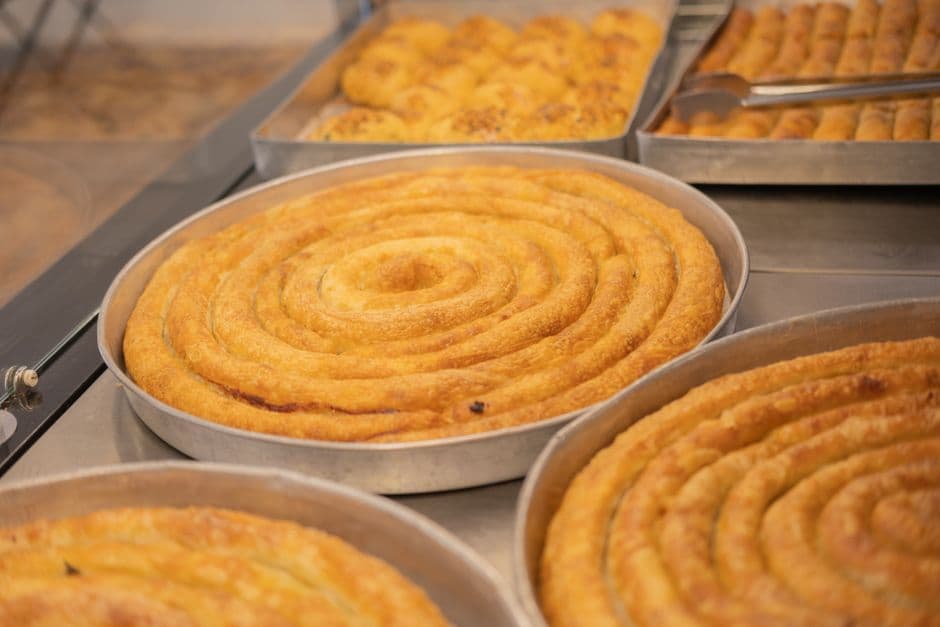
Chakli (Crispy Spiraled Rice Flour Snack)
Crunchy, spiced spiraled snacks made from rice flour and sesame seeds — a beloved South Asian festival treat that has found a home in multicultural Turkish snack culture.
About This Recipe
Chakli (also spelled chakali, murukku) are crispy, coil-shaped savory snacks originating from the Indian subcontinent, particularly popular in Maharashtra, Karnataka, and Gujarat. They are made from a firm dough of rice flour (the primary component, giving the characteristic crispy snap) combined with lentil flour or chickpea flour, seasoned with cumin seeds, sesame seeds, chili powder, and asafoetida, then extruded through a star-shaped disc into tight spirals and deep-fried in hot oil. The frying temperature is critical: oil at 170-175°C produces chakli that cook slowly from outside to in, achieving the uniform crunch that distinguishes properly made chakli from greasy, soft versions. Chakli are synonymous with Diwali celebrations — virtually every household in western and southern India prepares enormous batches to share with neighbors and visitors during the festival. The dough must be soft enough to press through the mold yet firm enough to hold the spiral shape; getting this balance right takes practice but is enormously satisfying. In multicultural urban Turkey — particularly Istanbul — chakli have begun appearing at specialty food stores as part of the broader enthusiasm for international savory snacks. Whether eaten with chai on a Diwali evening or alongside Turkish tea (çay) as a novel mezze snack, their addictive crunch makes them universally appealing.
Ingredients
Serves 6
- 2 cupsrice flour
- 1/4 cupchickpea flour (besan)
- 1 tbspsesame seeds
- 1 tspcumin seeds
- 1/2 tspchili powder
- 1/4 tspasafoetida (hing)(optional but traditional)
- 1 tspsalt
- 2 tbsphot oil or butter(moiyaan (enriching fat))
- 1/2 - 3/4 cupwarm water(to bind)
- oilfor deep frying
Instructions
- 1
Mix the Dry Ingredients
Combine rice flour, chickpea flour, sesame seeds, cumin seeds, chili powder, asafoetida, and salt in a large bowl. Whisk together to ensure even distribution of spices.
- 2
Add Fat and Form Dough
Add the hot oil or melted butter to the flour mixture and rub it in with your fingertips until the flour resembles damp sand with no dry clumps — this is the moiyaan step and gives chakli their distinctive crumbly crunch rather than a hard, dense texture. Gradually add warm water and knead until a smooth, non-sticky dough forms that holds together when pressed.
The dough should be firm but pliable — like soft modelling clay. Too dry and the chakli crack; too wet and they absorb oil.
- 3
Load the Chakli Mold
Fill a chakli press (or a cookie press with a star-shaped disc) with a portion of the dough. Heat oil in a deep pan to 170-175°C.
- 4
Press into Spirals
Hold the mold over a lightly oiled piece of parchment or the back of a ladle. Press the mold in a circular motion to create a coil of about 3-4 rings. Make 3-4 chakli at a time. Alternatively, press directly into the oil if confident with the technique.
- 5
Fry Until Golden
Carefully slide the chakli spirals into the oil (3-4 at a time, don't crowd). Fry at 170-175°C for 3-4 minutes, turning once, until pale golden and the hissing subsides. The chakli are done when they stop sizzling loudly and feel light when moved. Drain on paper towels.
Maintain oil temperature — if too hot, the outside browns before the inside cooks; if too cool, chakli absorb oil.
- 6
Cool Completely
Let chakli cool completely on a wire rack before storing — they crisp up further as they cool. Fresh-fried chakli will be slightly soft; they achieve full crunch after 10-15 minutes at room temperature.
Did you make this?
Rate it and help other cooks find the recipes that actually work.
One tap to sign in, and we'll save the rating you just picked.
Everything you need to plan your week — free
- Meal calendar
- Grocery list
- AI recipe ideas
Track what you eat
Snap your meal to log calories and macros, run fasting timers and track water in the free SnapCal app.
Pro Tips
- →
The moiyaan (hot fat rubbed into flour) step is essential — it creates a slightly flaky, crumbly texture rather than a hard crunch.
- →
Test oil temperature with a tiny ball of dough — it should rise to the surface slowly and steadily. If it rockets up, the oil is too hot.
- →
If the chakli break while pressing, the dough is too dry; add water a teaspoon at a time. If they collapse, the dough is too wet.
- →
For maximum crunch, bake at 180°C for 20 minutes after frying (a double-cook method used by professional chakli makers).
Variations
- •
Multigrain chakli: replace 1/4 cup of rice flour with millet flour or sorghum flour.
- •
Masala chakli: add 1/2 tsp garam masala and a pinch of ajwain (carom seeds) for a more complex spice profile.
- •
Baked chakli: brush with oil and bake at 180°C for 20-25 minutes, turning once — less rich but still crunchy.
Storage
Completely cooled chakli keep in an airtight container at room temperature for up to 2 weeks without losing crunch. Store away from moisture — humidity is the enemy of chakli's crispiness. They make excellent gifts packed in tins or glass jars.
History & Origin
Chakli are a central part of the Diwali snack tradition across western and southern India, with documented recipes in Marathi cookbooks dating to the 19th century. They are closely related to Tamil murukku (which shares the same extrusion technique) and the South Indian chakuli. The name derives from the Sanskrit 'chakra' meaning wheel or disc, referring to the spiral shape. They have spread globally with the South Asian diaspora and are now commercially produced internationally.
Frequently Asked Questions
What if I don't have a chakli press?
A cookie press fitted with a star-shaped disc works well. In a pinch, fill a piping bag fitted with a large star tip and pipe spirals directly onto parchment — the texture won't be quite as compact but the flavor is the same.
Why do my chakli break while frying?
Either the dough is too dry, the chakli are too large and thick, or the oil isn't hot enough before they go in. Ensure the oil is at 170-175°C before adding the first batch, and make the spirals no larger than 6cm in diameter.
Are chakli gluten-free?
Yes — rice flour and chickpea flour are both gluten-free. However, ensure your rice flour is certified gluten-free if cooking for someone with celiac disease, as cross-contamination during milling is possible.
Nutrition Facts
Per serving (60g / 2.1 oz) · 6 servings total
Time Summary
Have Questions?
Ask our AI cooking assistant anything about this recipe — substitutions, techniques, scaling.
Chat with AI Chef →Featured in Guides
This recipe is featured in the following curated guides:
More Turkish Recipes
You Might Also Like
Similar dishes from other cuisines around the world.
Browse by Ingredient
More recipes built around the same core ingredients.
Free Kitchen Tools
Calculators and converters that pair with this page — no signup needed.
Put This Into a Plan
Schedule it, shop for it, and track what you already have.
Read Next
Longer reads that go deeper on the ideas behind this dish.
Community
Join the conversation
Sign in to leave a comment and save your favourite recipes