
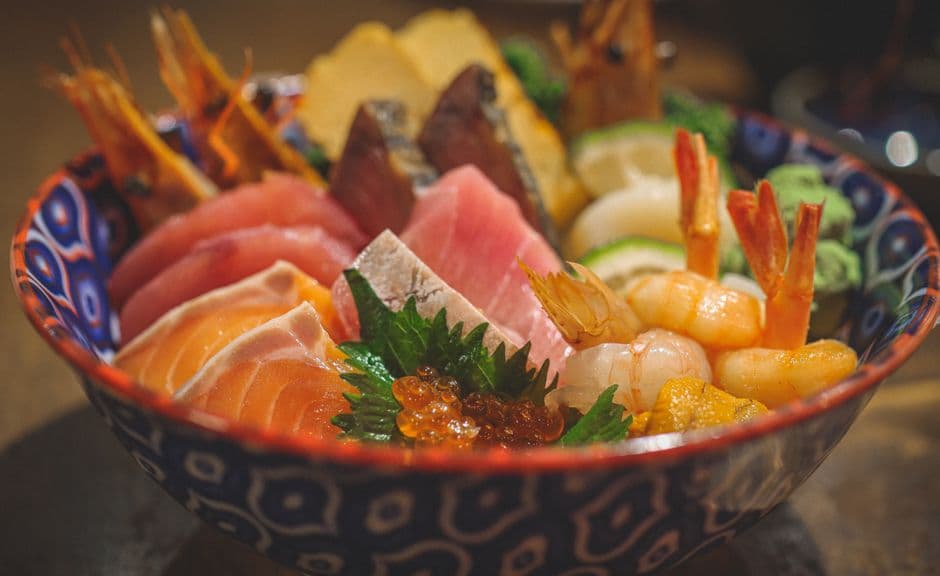
Chirashi Sushi Bowl (Japanese Scattered Sushi)
A vibrant bowl of seasoned sushi rice scattered with sashimi-grade fish, tamagoyaki, ikura and crisp vegetables — sushi without the rolling.
About This Recipe
Chirashi-zushi means literally 'scattered sushi,' and it is the most generous and forgiving form of sushi in Japan. Rather than carefully pressing nigiri or rolling maki, the cook seasons a bowl of warm short-grain rice with su (sushi vinegar) and then scatters or arranges a colorful collection of toppings over it — slices of raw tuna, salmon, yellowtail and snapper, ribbons of tamagoyaki sweet omelette, salmon roe (ikura), boiled shrimp, pickled ginger, blanched snap peas and shiso leaves. In Tokyo-style edomae chirashi the fish is the star and the slices large; in Kansai-style barazushi (also called gomoku-zushi) the toppings are diced fine, often cooked or pickled, and folded into the rice for a more rustic celebratory dish. Chirashi appears on Hinamatsuri (Girls' Day, March 3rd) tables across Japan as a symbol of abundance and color, and is the standard order at sushi-ya for solo lunchers who want the variety of an omakase without the price or ceremony. Made at home, it is the easiest way to serve a sushi feast — no special tools, no rolling, no nigiri-pressing technique. The key is great rice, the freshest sashimi-grade fish you can find, and a generous, painterly hand with the toppings.
Ingredients
Serves 4
- 400 gJapanese short-grain sushi rice (Koshihikari or Calrose), rinsed until water runs clear
- 480 mlcold water (1:1.2 ratio with rice)
- 80 mlrice vinegar mixed with 3 tbsp sugar and 1 tsp salt (su)
- 300 gsashimi-grade fish, mixed: tuna, salmon, yellowtail, sea bream — sliced 5 mm thick
- 4large eggs, beaten with 1 tsp mirin and pinch of salt for tamagoyaki
- 60 gikura (salmon roe), optional but traditional
- 8cooked sushi shrimp, butterflied
- 1 small handfulsnap peas, blanched 60 seconds and sliced on the bias
- 4shiso leaves, chiffonade
- 2 tbsppickled ginger (gari) and 1 sheet nori, cut into thin strips
Instructions
- 1
Rinse and cook the rice
Wash the rice in cold water 4–5 times, swirling gently with your hand until the water runs nearly clear. Drain in a sieve 20 minutes, then cook in a rice cooker or heavy pot with the measured water. Once cooked, let it steam covered for 10 minutes off the heat — do not lift the lid.
- 2
Make the su and season the rice
Warm rice vinegar, sugar and salt in a small saucepan over low heat just until dissolved (do not boil). Tip the hot rice into a wide wooden hangiri or non-metal bowl, drizzle the su over while fanning with a piece of cardboard, and fold (do not stir) with a flat paddle to coat every grain. The rice should turn glossy at body temperature — about 35°C.
- 3
Make tamagoyaki
Heat a square tamagoyaki pan over medium-low and oil lightly. Pour a thin layer of egg, let it just set, then roll it toward you with chopsticks. Re-oil, pour another thin layer, lift the rolled egg to let raw egg flow under, and roll again. Repeat until all egg is used — about 4 layers. Cool, slice into 1 cm strips.
No tamagoyaki pan? Use a 20 cm non-stick skillet and shape the omelette on a bamboo mat afterward.
- 4
Prepare the seafood
Pat fish dry with paper towel and slice across the grain at a slight angle, 5 mm thick. Keep covered and chilled until plating — sashimi at room temperature for more than 15 minutes loses its silky texture and can spoil. Butterfly cooked shrimp by slicing along the back.
- 5
Blanch the vegetables
Bring a small pot of salted water to the boil. Drop in snap peas for 60 seconds, then plunge into ice water to set their bright green color. Drain and slice on a sharp bias. Chiffonade the shiso just before assembly so it doesn't oxidize.
- 6
Assemble the bowls
Divide the sushi rice among 4 wide shallow bowls — do not pack it down. Arrange fish slices in overlapping fans, nestle the shrimp on top, scatter tamagoyaki strips and snap peas. Spoon a generous tablespoon of ikura into one quadrant, drape shiso ribbons, and finish with nori strips and a small mound of gari on the side.
- 7
Serve immediately
Bring to the table with small dishes of soy sauce and freshly grated wasabi. Diners drizzle soy directly over their bowl or dip pieces of fish individually. Eat within 20 minutes — sashimi quality declines rapidly at room temperature.
Did you make this?
Rate it and help other cooks find the recipes that actually work.
One tap to sign in, and we'll save the rating you just picked.
Everything you need to plan your week — free
- Meal calendar
- Grocery list
- AI recipe ideas
Track what you eat
Snap your meal to log calories and macros, run fasting timers and track water in the free SnapCal app.
Pro Tips
- →
Sashimi-grade fish must come from a fishmonger you trust — look for the words 'sushi grade' or 'previously frozen at -20°C for 7 days' which kills parasites. Never use plain supermarket fish raw.
- →
The rice is 80% of the dish — use real Japanese short-grain rice, never long-grain or basmati. Calrose is acceptable, jasmine is not.
- →
Season rice at body temperature; cold rice won't absorb the su, hot rice goes mushy. The wooden hangiri bowl absorbs excess moisture and is worth the small investment.
- →
Serve in wide shallow bowls (donburi) rather than deep ones — chirashi is meant to be admired before it's eaten.
Variations
- •
Bara-zushi (Kansai style) — dice all toppings finely and fold half through the rice with the rest on top.
- •
Vegetarian chirashi — replace fish with marinated tofu, shiitake, avocado, edamame and pickled lotus root.
- •
Salmon-only donburi (sake-don) — top the rice with overlapping slices of just one fish for purist presentation.
- •
Smoked chirashi — for a Western twist, top with smoked salmon, cured trout and capers.
Storage
Eat the same day; assembled chirashi cannot be stored due to raw fish. Leftover seasoned rice (without toppings) refrigerates 24 hours in a covered container — bring to room temperature before reusing, never microwave. Tamagoyaki keeps 2 days refrigerated; freezing is not recommended (texture turns spongy).
History & Origin
Chirashi-zushi originated in the Edo period (1603–1868) as a less formal home version of nigiri, particularly associated with Hinamatsuri celebrations on March 3rd. Regional variations split into Edo-style (raw fish scattered on top) and Kansai-style barazushi (cooked toppings mixed in), and the dish became a fixture of Japanese izakaya lunch menus during the 20th century as sashimi-grade fish became widely available.
Frequently Asked Questions
Can I use frozen fish?
Yes — in fact most 'sashimi-grade' fish has been commercially frozen at -20°C for at least a week to kill parasites. Thaw overnight in the refrigerator on a rack so liquid drains away. Never refreeze.
What if I can't find ikura?
Substitute tobiko (flying fish roe) for color and crunch, or simply omit. The bowl still works beautifully with just fish, egg and vegetables.
Why is my sushi rice mushy?
Either too much water, you stirred instead of folded, or you didn't let it steam after cooking. Use the 1:1.2 ratio, fold with a flat paddle, and rest covered 10 minutes before seasoning.
Can I make this ahead for a party?
Prep all components separately up to 4 hours ahead and refrigerate. Assemble bowls in the last 15 minutes before serving — the rice should be cool but not cold.
Nutrition Facts
Per serving (380g / 13.4 oz) · 4 servings total
Time Summary
Have Questions?
Ask our AI cooking assistant anything about this recipe — substitutions, techniques, scaling.
Chat with AI Chef →Featured in Guides
This recipe is featured in the following curated guides:
More Japanese Recipes
You Might Also Like
Similar dishes from other cuisines around the world.
Browse by Ingredient
More recipes built around the same core ingredients.
Free Kitchen Tools
Calculators and converters that pair with this page — no signup needed.
Put This Into a Plan
Schedule it, shop for it, and track what you already have.
Read Next
Longer reads that go deeper on the ideas behind this dish.
Community
Join the conversation
Sign in to leave a comment and save your favourite recipes