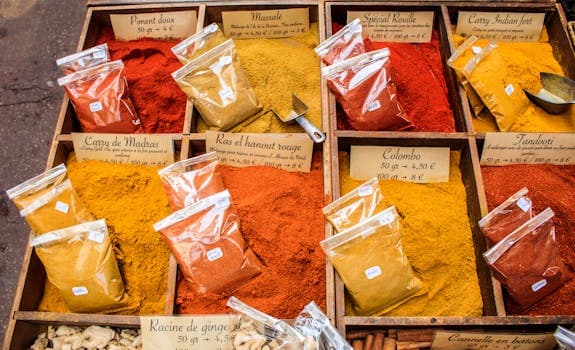
Fragrant French-Caribbean spiced chicken curry with coconut, vegetables and West Indian warmth — a Guadeloupe classic.
Colombo de Poulet is the signature curry of Guadeloupe and Martinique, brought to the Caribbean by Indian indentured workers. Named after Colombo spice mix — a blend of turmeric, coriander, cumin and fenugreek — this aromatic curry is cooked with coconut milk, creating a rich, complex sauce. Unlike Indian curries, colombo relies on slow-braised chicken and large chunks of tender vegetables. The result is deeply warming, with layers of spice that build on the palate. Serve over white rice. Rooted in the everyday cooking of French Caribbean kitchens, Colombo de Poulet balances technique and tradition: the boneless chicken thighs is treated with care, drawing on time-honoured ratios that locals have refined across generations. The dish carries an unmistakable sensory signature — aromas that fill the kitchen as it cooks, layered textures that reveal themselves bite by bite, and a depth of flavour that comes from patient seasoning rather than shortcuts. Whether served as a weeknight dinner or as the centrepiece of a celebratory table, it reflects a regional pantry where local produce, seasoning habits and cooking vessels shape the final result. Home cooks who make this dish often note how forgiving it is once the core method is understood, and how a few small choices — the freshness of the boneless chicken thighs, the order of additions, the resting time at the end — separate a good version from a memorable one. This recipe walks through those choices so the dish arrives with the character it has on its home turf.
Serves 4
Heat oil in a large heavy pot over medium-high heat. Season chicken with salt and pepper, then brown in batches for 3 minutes per side. Remove and set aside.
Searing develops flavour — do not skip even though the chicken will finish cooking later.
In the same pot, add colombo paste and cook for 2 minutes, stirring constantly, until fragrant and the oil turns orange-red.
Add onions and cook for 3 minutes until softened. Deglaze with a splash of coconut milk, scraping up all the browned spice bits. Return chicken to the pot, then add remaining coconut milk.
Add potatoes and carrots. Bring to a gentle simmer, then cover and cook for 35–40 minutes until the chicken is very tender and potatoes are cooked through. Season with salt to taste.
Ladle into deep bowls over fluffy white rice. Garnish with chopped cilantro if desired.
Colombo paste can be found in Caribbean sections or made fresh — store-bought pastes save time.
Thigh meat is crucial — it becomes tender and does not dry out like breast meat.
The sauce should be rich and coating, not soupy. If too thin after cooking, simmer uncovered for 5–10 minutes.
Source the freshest boneless chicken thighs you can find — it is the flavour anchor of the dish.
Season in layers as you go; tasting at each stage prevents a flat or over-salted final result.
Colombo with Seafood: replace chicken with large shrimp or scallops; reduce cooking time to 15 minutes.
Vegetarian Colombo: use firm tofu or chickpeas instead of chicken; add extra vegetables like aubergine.
Vegetarian: replace the main protein with mushrooms, paneer, tofu or hearty beans for a meat-free version.
Spicier: add fresh chilli, a chilli paste or a pinch of cayenne with the aromatics for a warmer profile.
Lighter: reduce the fat by a third and use stock in its place — flavour stays intact but the dish feels less rich.
Refrigerate for up to 3 days. Freezes well for 2 months. Flavour improves after a day, making this ideal for meal prep.
Colombo arrived in the French Caribbean in the 19th century with Tamil and Bengali workers. The spice blend is distinct from Indian curries — it is earthier and less hot, adapted to local ingredients and tastes. It remains the soul-food of Guadeloupe.
Yes — most components hold well in the fridge for a day or two. Reheat gently with a splash of liquid to bring it back to life.
If boneless chicken thighs is hard to find, the closest substitutes share its texture and water content. Adjust seasoning slightly since substitutes often carry less character of their own.
It follows the most widely accepted home-cook template. Regional variants exist and we note the main ones in the variations section.
Usually under-seasoning or rushing the aromatic stage. Build flavour in layers, taste as you go, and finish with a touch of acid or salt to brighten the dish.
Per serving (380g / 13.4 oz) · 4 servings total
Ask our AI cooking assistant anything about this recipe — substitutions, techniques, scaling.
Chat with AI Chef →Join the conversation
Sign in to leave a comment and save your favourite recipes
Have feedback or need help?
We read every email and reply within 1–2 business days.
© 2026 MyCookingCalendar. All rights reserved.