
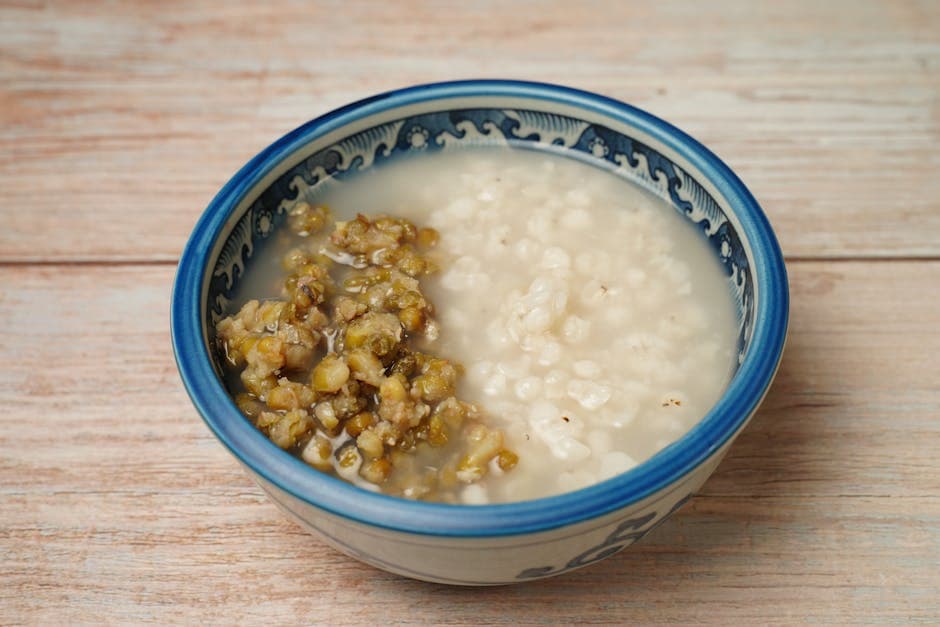
Cantonese Congee — Silky Rice Porridge
Silky, ultra-smooth Cantonese rice porridge cooked low and slow until the grains dissolve completely into a comforting, nourishing base. Topped with ginger, spring onion, sesame oil and your choice of protein.
About This Recipe
Congee (粥, zhōu or jook in Cantonese) is China's most universal comfort food — eaten for breakfast, when sick, after a night out, or simply when your body craves something gentle and restorative. The Cantonese version is cooked longer and at a lower ratio than most other regional styles, producing a porridge so smooth it's almost a soup. The secret is long, gentle simmering and plenty of water — typically a 1:10 or 1:12 rice-to-water ratio. Toppings are limitless: from century egg and salted pork to fish fillet, chicken, or simply crispy shallots and sesame oil.
Ingredients
Serves 4
- 200 gjasmine rice(rinsed and drained)
- 2 litresgood chicken stock or water(or a mix of both)
- 4 cmfresh ginger(peeled and sliced into coins)
- 2 clovesgarlic(lightly crushed)
- 1 tbspsesame oil
- 2 stalksspring onion(thinly sliced, for topping)
- 2 tbsplight soy sauce(for seasoning)
- 1 tspwhite pepper
- 2century eggs (pei dan)(optional, quartered)
- 150 gcooked chicken breast(shredded, or raw fish fillet poached in the congee)
- 2 tbspcrispy shallots(to serve)
Instructions
- 1
Soak the rice (optional but recommended)
Rinse the rice until the water runs clear. For extra silky results, add 1 tsp sesame oil and a pinch of salt to the rinsed rice and leave for 30 minutes — the oil helps the grains break down more evenly.
Overnight soaking in the fridge produces the creamiest, fastest-cooking congee.
- 2
Start the congee
Combine rice, stock or water, ginger and garlic in a large heavy-bottomed pot. Bring to a boil over high heat, stirring occasionally. Once boiling, reduce heat to a low simmer.
- 3
Simmer low and slow
Simmer uncovered for 45–60 minutes, stirring every 10 minutes and scraping the bottom to prevent sticking. The congee is ready when the grains have completely broken down and the porridge is thick, creamy and moves slowly when the pot is tilted.
A lower heat and longer cook always beats a rushed high-heat cook. Patience is the key ingredient.
- 4
Add protein
For shredded chicken: stir in with 5 minutes to go. For raw fish fillet: slice thinly, season with a pinch of salt, and add in the last 2 minutes — the residual heat gently cooks it to silky perfection. For century egg: add as a topping after serving.
- 5
Season and serve
Remove ginger coins and garlic. Season congee with soy sauce, white pepper and a drizzle of sesame oil. Ladle into deep bowls. Top with spring onion, crispy shallots, century egg (if using), and an extra drizzle of sesame oil.
Did you make this?
Rate it and help other cooks find the recipes that actually work.
One tap to sign in, and we'll save the rating you just picked.
Everything you need to plan your week — free
- Meal calendar
- Grocery list
- AI recipe ideas
Track what you eat
Snap your meal to log calories and macros, run fasting timers and track water in the free SnapCal app.
Pro Tips
- →
Frozen leftover rice cooks into congee in half the time because the cell walls are already broken.
- →
A parmesan rind added during simmering adds incredible depth — unconventional but delicious.
- →
If congee thickens too much on standing, simply stir in hot water or stock to loosen.
Variations
- •
Pork and century egg (皮蛋瘦肉粥): the most classic combination — salted pork slices and quartered century egg.
- •
Fish congee: place thin slices of sea bass or tilapia in the bowl and ladle boiling congee over them — the heat cooks the fish perfectly.
- •
Instant pot method: rice, stock, ginger, garlic — pressure cook 20 minutes, natural release. Beautifully creamy in a fraction of the time.
Storage
Congee thickens considerably as it cools. Store in the fridge for up to 3 days. Reheat with a generous splash of water or stock, stirring over medium heat until back to pouring consistency.
History & Origin
Congee has been a staple across China for over 2,500 years, appearing in texts as far back as the Zhou dynasty. Different regional styles exist — Cantonese jook is the smoothest and most labour-intensive, while Fujian and Shanghai styles retain more grain texture. Across Asia, versions of rice porridge appear in Thai khao tom, Japanese okayu, Korean juk, and Indonesian bubur — each culture adapting the universal idea of rice dissolved in water into something reflecting its own culinary identity.
Frequently Asked Questions
Do I have to use a specific type of rice?
Jasmine rice is traditional for Cantonese congee. Short-grain or medium-grain rice also works well. Avoid basmati — its long grain stays whole even with extended cooking, making it less suitable for ultra-smooth congee.
Can I make congee in an instant pot?
Yes — combine rinsed rice and stock at a 1:8 ratio, cook on high pressure for 20 minutes and allow natural release for 10 minutes. The result is beautifully smooth.
What does century egg taste like?
Century egg (pei dan) has a creamy, gelatinous texture with a rich, slightly sulphurous flavour that is deeply savoury, similar to a very ripe blue cheese. The taste is an acquired one but pairs perfectly with the mild congee base.
Nutrition Facts
Per serving (500g / 17.6 oz) · 4 servings total
Time Summary
Have Questions?
Ask our AI cooking assistant anything about this recipe — substitutions, techniques, scaling.
Chat with AI Chef →Featured in Guides
This recipe is featured in the following curated guides:
More Chinese Recipes
You Might Also Like
Similar dishes from other cuisines around the world.
Browse by Ingredient
More recipes built around the same core ingredients.
Free Kitchen Tools
Calculators and converters that pair with this page — no signup needed.
Put This Into a Plan
Schedule it, shop for it, and track what you already have.
Read Next
Longer reads that go deeper on the ideas behind this dish.
Community
Join the conversation
Sign in to leave a comment and save your favourite recipes