
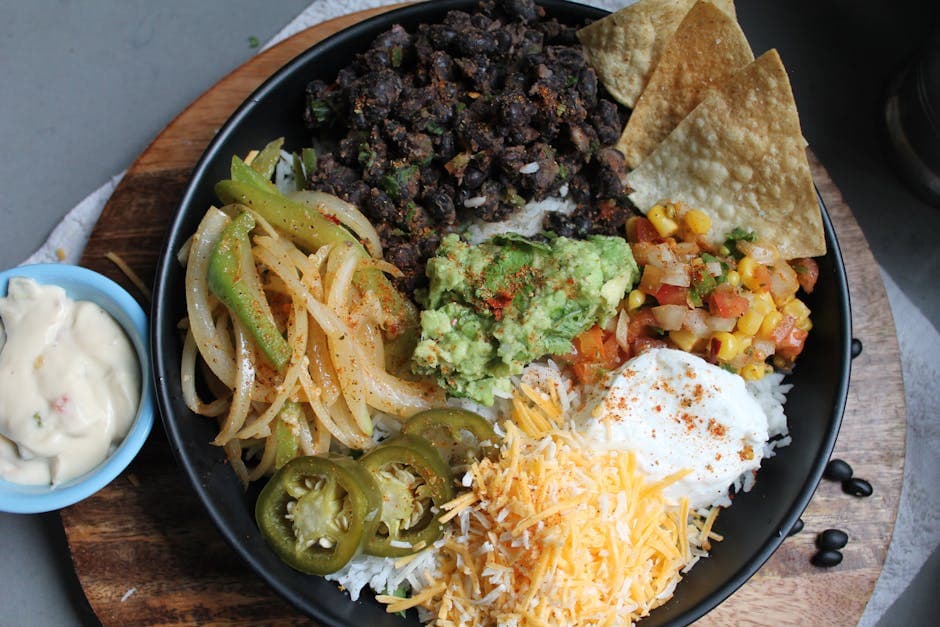
Gallo Pinto (Costa Rican Black Beans & Rice)
Costa Rica's national breakfast: black beans and rice cooked together with Salsa Lizano, sweet pepper, and cilantro.
About This Recipe
Gallo Pinto — "spotted rooster" — is the rice-and-beans breakfast that Costa Ricans (and Nicaraguans, with whom they argue about origins) eat almost every morning of their lives. The technique is genius in its simplicity: leftover rice and slow-cooked black beans are stirred together in a hot pan with sautéed onion, sweet pepper, garlic, and the unmistakable green Salsa Lizano — a Worcestershire-adjacent vegetable-and-tamarind sauce that is to Costa Rica what soy sauce is to Japan. The beans color the rice with their own black ink, leaving the grains "speckled like a rooster." Served with fried plantain, scrambled eggs, fresh white cheese, sour cream, and a strong black coffee, it is the breakfast that gets every Tico through the day. Costa Ricans believe deeply that gallo pinto is healthier and more energy-sustaining than any Western breakfast — and they are not wrong.
Ingredients
Serves 4
- 500 gcooked white rice (preferably day-old, cold)
- 400 gcooked black beans, with about 80 ml of their cooking liquid
- 3 tbspvegetable oil
- 1 mediumwhite onion, finely diced
- 1red bell pepper, finely diced
- 3 clovesgarlic, minced
- 3 tbspSalsa Lizano (or substitute: 2 tbsp Worcestershire + 1 tbsp HP sauce)
- 1 tspground cumin
- 1 tspfine salt, plus more to taste
- 20 gfresh cilantro, chopped
- 1ripe plantain, peeled and sliced on the diagonal (for serving)
- 4 largeeggs (for serving)
Instructions
- 1
Heat the pan
Heat 2 tbsp oil in a wide, heavy skillet over medium-high heat. Add the onion and red pepper and cook 5 minutes until soft and lightly golden at the edges.
- 2
Add aromatics
Stir in the garlic and cumin. Cook 45 seconds until fragrant — do not let the garlic brown.
- 3
Add the beans
Add the black beans with their cooking liquid and the Salsa Lizano. Cook 3 minutes, mashing about a quarter of the beans gently with the back of your spoon to thicken the mixture into a wet, glossy ragu.
The bean liquid is where the color comes from. Drained beans give you a brown, dry pinto — keep that splash of broth.
- 4
Add the rice
Add the cold rice. Stir gently to coat every grain in the dark bean liquid. Cook 4 minutes, stirring once or twice, until the rice is hot through and clearly speckled black and white.
- 5
Finish
Taste and adjust salt — Salsa Lizano is already salty so be cautious. Stir in three-quarters of the cilantro.
- 6
Fry the plantain
In a separate pan heat the remaining 1 tbsp oil and fry the plantain slices 2 minutes per side until deeply golden and caramelized at the edges.
- 7
Fry the eggs
In the same pan fry the eggs sunny-side up, until the whites are set but the yolks runny.
- 8
Plate
Mound gallo pinto on each plate. Add 1 egg, a couple of plantain slices, a wedge of fresh cheese if you have it, and a dollop of sour cream. Scatter remaining cilantro on top.
Did you make this?
Rate it and help other cooks find the recipes that actually work.
One tap to sign in, and we'll save the rating you just picked.
Everything you need to plan your week — free
- Meal calendar
- Grocery list
- AI recipe ideas
Cook this hands-free
Get AI meal plans, step-by-step cooking mode, and your saved recipes in the free Bento app.
Pro Tips
- →
Day-old cold rice is essential — fresh hot rice turns the pinto sticky and gummy. Cook the rice the night before, refrigerate, then break it up before adding.
- →
Salsa Lizano is non-negotiable for authentic Tico gallo pinto. Order it online if your local store doesn't carry it — Worcestershire is a fine substitute but distinctly different.
- →
Costa Rican gallo pinto traditionally has whole, intact beans — don't over-mash. Nicaraguan-style is creamier with more bean liquid; Costa Rican is drier and more granular.
Variations
- •
Nicaraguan-style: use red beans instead of black, mash more, skip the Salsa Lizano.
- •
Vegan: skip the eggs and sour cream; serve with extra plantain and avocado.
- •
Add a handful of natilla (sour cream) stirred in at the end for a richer family breakfast version.
Storage
Refrigerates 3 days; reheat with a splash of water in a hot pan to revive. Don't microwave — the rice turns rubbery. Freezes 1 month but the texture is best fresh.
History & Origin
Gallo pinto's origins are passionately disputed between Costa Rica and Nicaragua, with both countries declaring it their national dish. Documented references to rice-and-beans dishes called gallo pinto appear in 19th-century Costa Rican texts; the modern Lizano-laced version dates from the early 20th century, when Salsa Lizano was invented in Alajuela in 1920.
Frequently Asked Questions
What is Salsa Lizano and where do I find it?
Salsa Lizano is a fermented Costa Rican vegetable-and-tamarind sauce, similar in concept to Worcestershire but milder, tangier, and slightly sweet. Find it in Latin American grocers or order from online specialty stores.
Can I use canned beans?
Yes, but drain them, save the can liquid, and use 80 ml of that liquid in step 3. Home-cooked beans give a richer flavor but canned work in a hurry.
Why do my beans and rice not look properly speckled?
Either your bean liquid wasn't dark enough (cook the beans longer next time) or your rice was too hot and absorbed too fast. Use cold, broken-up day-old rice for the proper polka-dot effect.
Nutrition Facts
Per serving (380g / 13.4 oz) · 4 servings total
Time Summary
Have Questions?
Ask our AI cooking assistant anything about this recipe — substitutions, techniques, scaling.
Chat with AI Chef →Featured in Guides
This recipe is featured in the following curated guides:
More Costa-rican Recipes
You Might Also Like
Similar dishes from other cuisines around the world.
Free Kitchen Tools
Calculators and converters that pair with this page — no signup needed.
Put This Into a Plan
Schedule it, shop for it, and track what you already have.
Read Next
Longer reads that go deeper on the ideas behind this dish.
Community
Join the conversation
Sign in to leave a comment and save your favourite recipes