
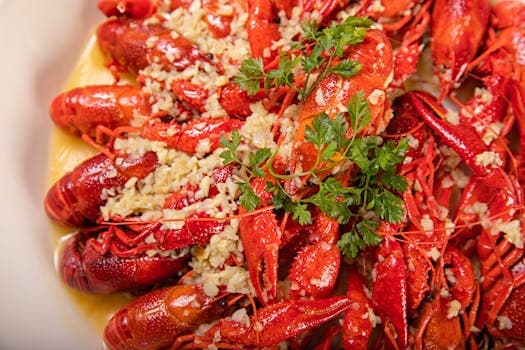
Crawfish Étouffée
Classic American Crawfish Étouffée recipe.
About This Recipe
Crawfish étouffée is the Louisiana classic in which sweet crawfish tails are smothered in a blond roux-based sauce thickened with the Cajun trinity of onion, celery, and bell pepper. The word étouffée comes from the French for smothered, and that is exactly the technique: the shellfish simmers gently under a blanket of sauce until everything melds into a rich, paprika-tinted gravy. Served over a mound of long-grain white rice, it is milder and silkier than gumbo but every bit as deeply flavored. This version balances butter, stock, and cayenne so the crawfish stays tender and the sauce coats the back of a spoon without turning pasty.
Ingredients
Serves 4
- 1 lbfrozen Louisiana crawfish tail meat(with fat packet included)
- 6 tbspunsalted butter
- 3 tbspall-purpose flour
- 1 mediumyellow onion(finely diced)
- 2 stalkscelery(finely diced)
- 1 mediumgreen bell pepper(finely diced)
- 3 clovesgarlic(minced)
- 1.5 cupsseafood or chicken stock(warm)
- 1 tspCajun seasoning
- 0.25 tspcayenne pepper
- 0.5 tspsmoked paprika
- 4scallions(sliced)
- 1 tbspfresh lemon juice
- 2 cupscooked long-grain white rice(for serving)
Instructions
- 1
Prepare
Peel crawfish tails if needed and reserve any fat from the package. Finely dice one onion, two celery ribs, and one bell pepper. Measure flour, butter, and seasonings into separate bowls so the roux stage moves quickly without scorching.
- 2
Cook
Melt butter over medium heat, whisk in flour, and stir constantly for 5 to 7 minutes until the roux turns the color of peanut butter. Add the trinity and cook 5 minutes until the vegetables soften and the sizzling quiets.
A roux taken too dark turns bitter; pull the pan off the heat the moment it smells nutty and toasted.
- 3
Combine
Slowly whisk in warm stock, then add seasoning, crawfish fat, and tails. Simmer uncovered over low heat for 10 to 15 minutes until the sauce thickly coats a spoon; do not boil hard or the tails toughen.
Crawfish tails are already cooked when sold frozen, so they only need to heat through gently.
- 4
Serve
Stir in sliced green onions and a squeeze of lemon, taste for salt and cayenne, and rest 5 minutes off heat. Spoon over hot white rice and serve immediately while the sauce is glossy.
Did you make this?
Rate it and help other cooks find the recipes that actually work.
One tap to sign in, and we'll save the rating you just picked.
Everything you need to plan your week — free
- Meal calendar
- Grocery list
- AI recipe ideas
Track what you eat
Snap your meal to log calories and macros, run fasting timers and track water in the free SnapCal app.
Pro Tips
- →
Use Louisiana crawfish tails with their fat packet; the orange fat carries most of the flavor.
- →
Keep the roux blond to medium; étouffée is traditionally lighter than gumbo roux.
- →
Warm the stock before adding it so the roux does not seize into lumps.
- →
Let the finished étouffée rest 5 minutes; the sauce tightens to the ideal consistency.
- →
Season in layers: a little cayenne with the roux, then adjust again at the end.
Variations
- •
Shrimp étouffée: swap in peeled raw shrimp and simmer just 4 to 5 minutes until pink.
- •
Chicken étouffée: use diced thigh meat browned first, then smothered for 25 minutes.
- •
Tomato-touched Creole style: stir in 2 tablespoons of tomato paste with the trinity for a rosier, New Orleans-leaning sauce.
- •
Extra-rich version: finish with a knob of cold butter swirled in off the heat.
Storage
Refrigerate the étouffée separately from the rice in an airtight container for up to 3 days. Reheat gently on the stovetop with a splash of stock; freezing is not recommended because the crawfish turns rubbery.
History & Origin
Étouffée emerged from Cajun country around Breaux Bridge, Louisiana, in the 1920s, where Acadian families smothered abundant bayou crawfish in simple roux gravies. Creole cooks in New Orleans later adopted the dish, often adding tomato, which remains the clearest marker between the rustic Cajun original and the city Creole version. It went mainstream after the Breaux Bridge Crawfish Festival began promoting it in 1960.
Frequently Asked Questions
What is the difference between étouffée and gumbo?
Étouffée is a thick, smothered stew served as a sauce over rice, made with a lighter roux and usually one shellfish. Gumbo is a soup with a darker roux, often okra or filé, and multiple proteins. Étouffée coats the rice; gumbo surrounds it.
Can I use frozen crawfish tails?
Yes, frozen Louisiana crawfish tails work beautifully and are what most home cooks use. Thaw them in the refrigerator, keep the fat in the bag, and add both near the end of cooking. Avoid imported tails packed in water; they tend to be bland and mushy.
Is étouffée supposed to be spicy?
Traditional étouffée is seasoned rather than fiery: cayenne, black pepper, and paprika give warmth that builds without overwhelming the sweet crawfish. Start with a quarter teaspoon of cayenne and let guests add hot sauce at the table to suit their own heat tolerance.
Why did my sauce turn out gluey?
Too much flour or boiling the sauce hard usually causes a pasty texture. Use equal weights of butter and flour, add warm stock gradually while whisking, and hold the pot at a gentle simmer. Thin a thick sauce with stock a few tablespoons at a time.
Nutrition Facts
Per serving (300g / 10.6 oz) · 4 servings total
Time Summary
Have Questions?
Ask our AI cooking assistant anything about this recipe — substitutions, techniques, scaling.
Chat with AI Chef →Featured in Guides
This recipe is featured in the following curated guides:
More American Recipes
You Might Also Like
Similar dishes from other cuisines around the world.
Browse by Ingredient
More recipes built around the same core ingredients.
Free Kitchen Tools
Calculators and converters that pair with this page — no signup needed.
Put This Into a Plan
Schedule it, shop for it, and track what you already have.
Read Next
Longer reads that go deeper on the ideas behind this dish.
Community
Join the conversation
Sign in to leave a comment and save your favourite recipes