
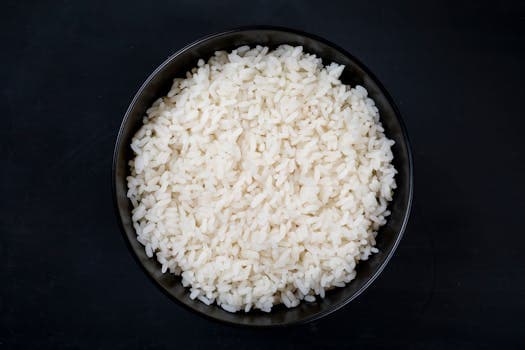
Dirty Rice
Classic American Dirty Rice recipe.
About This Recipe
Dirty rice is Cajun Louisiana's thrifty masterpiece: white rice dirtied to a savory brown by finely chopped chicken livers and gizzards, ground pork, and the trinity of onion, celery, and bell pepper, all seasoned with cayenne and black pepper. The organ meats are the point — minced fine and browned hard, they dissolve into the rice as a deeply savory, almost mysterious backbone that converts even liver skeptics. Born of farm households that wasted nothing after butchering day, it works as a side for fried chicken or a one-pot supper on its own. The deeper the browning in the pan, the dirtier and better the rice.
Ingredients
Serves 4
- 2 cupslong-grain white rice(cooked and cooled (day-old preferred))
- 0.5 lbground pork
- 0.5 lbchicken livers(finely minced in a food processor)
- 0.25 lbchicken gizzards(finely minced; optional)
- 1 tbspvegetable oil
- 1 mediumyellow onion(finely diced)
- 2 stalkscelery(finely diced)
- 1 mediumgreen bell pepper(finely diced)
- 3 clovesgarlic(minced)
- 1.5 tspCajun seasoning
- 0.25 tspcayenne pepper
- 0.5 cupchicken stock
- 4scallions(sliced; plus fresh parsley, for finishing)
Instructions
- 1
Prepare
Cook the rice ahead and let it cool, ideally overnight. Pulse chicken livers and gizzards in a food processor until finely minced, and dice the onion, celery, and bell pepper small.
Day-old refrigerated rice stays in separate grains; fresh hot rice mashes into the meat.
- 2
Cook
Brown the ground pork and minced organ meats in a heavy skillet over medium-high heat for 8 to 10 minutes, pressing and scraping until a dark fond builds on the pan. That browned crust is the dish's flavor engine.
Let the meat sit untouched for a couple of minutes at a time; constant stirring prevents the browning that makes the rice dirty.
- 3
Combine
Add the trinity and garlic and cook 5 minutes, scraping up the fond, then stir in Cajun seasoning, cayenne, and a half cup of stock. Simmer 2 minutes into a loose, intensely flavored gravy.
- 4
Serve
Fold in the cooled rice and toss over heat for 3 to 4 minutes until every grain is stained brown and steaming. Finish with sliced scallions and parsley, and adjust salt and hot sauce.
Did you make this?
Rate it and help other cooks find the recipes that actually work.
One tap to sign in, and we'll save the rating you just picked.
Everything you need to plan your week — free
- Meal calendar
- Grocery list
- AI recipe ideas
Track what you eat
Snap your meal to log calories and macros, run fasting timers and track water in the free SnapCal app.
Pro Tips
- →
Do not skip the livers; mince them fine and they read as savory depth, not liver.
- →
Build a real fond on the pan and deglaze it — that is where the color and flavor come from.
- →
Use cold, day-old rice so the grains stay distinct when tossed.
- →
Season assertively; dirty rice should carry noticeable black and cayenne pepper warmth.
- →
A splash of stock at the end loosens the dish without making it wet.
Variations
- •
All-pork version: skip organ meats and use seasoned ground pork with extra smoked paprika, closer to rice dressing.
- •
Cajun boudin-style: stir in crumbled boudin sausage in place of half the pork.
- •
Smoked sausage dirty rice: add diced andouille with the trinity for a smoky edge.
- •
Thanksgiving rice dressing: the Creole-Cajun holiday cousin, enriched with turkey giblets and baked briefly.
Storage
Cool quickly and refrigerate up to 3 days; because of the organ meats, do not leave it out longer than an hour. Reheat thoroughly in a skillet with a splash of stock until steaming.
History & Origin
Dirty rice comes from rural Cajun country, where boucheries — communal hog butchering days — left organ meats that thrifty cooks stretched with rice to feed large families. The dish overlaps with rice dressing, the slightly more refined version served at Louisiana holiday tables. City Creole cooking has its own giblet-and-rice traditions, but dirty rice in its purest pan-browned form is country Cajun food, seasoned with cayenne rather than tomato.
Frequently Asked Questions
Do I really need chicken livers?
They are what makes dirty rice dirty — minced fine and browned hard, they melt into a savory depth that no substitute fully matches. If you are hesitant, start with half the amount; most skeptics cannot identify liver in the finished dish, only richness.
What is the difference between dirty rice and rice dressing?
They are close cousins. Dirty rice is the everyday skillet version, browned hard and served straight from the pan. Rice dressing is the Louisiana holiday rendition, often a touch wetter, sometimes baked, and made with turkey or chicken giblets alongside pork. Many families use the names interchangeably.
Can I use a boxed mix as a base?
You can doctor a boxed mix with browned pork, trinity, and extra cayenne, and it will be decent. But authentic dirty rice depends on the fond from browning fresh meats and the mineral depth of livers, neither of which a seasoning packet replicates. The scratch version takes only 30 minutes.
Is dirty rice spicy?
It carries a steady, peppery warmth from cayenne and black pepper rather than burning heat. A properly seasoned batch tingles without punishing. Control it by halving the cayenne, then passing hot sauce at the table so each eater sets their own level.
Nutrition Facts
Per serving (300g / 10.6 oz) · 4 servings total
Time Summary
Have Questions?
Ask our AI cooking assistant anything about this recipe — substitutions, techniques, scaling.
Chat with AI Chef →Featured in Guides
This recipe is featured in the following curated guides:
More American Recipes
You Might Also Like
Similar dishes from other cuisines around the world.
Browse by Ingredient
More recipes built around the same core ingredients.
Free Kitchen Tools
Calculators and converters that pair with this page — no signup needed.
Put This Into a Plan
Schedule it, shop for it, and track what you already have.
Community
Join the conversation
Sign in to leave a comment and save your favourite recipes