
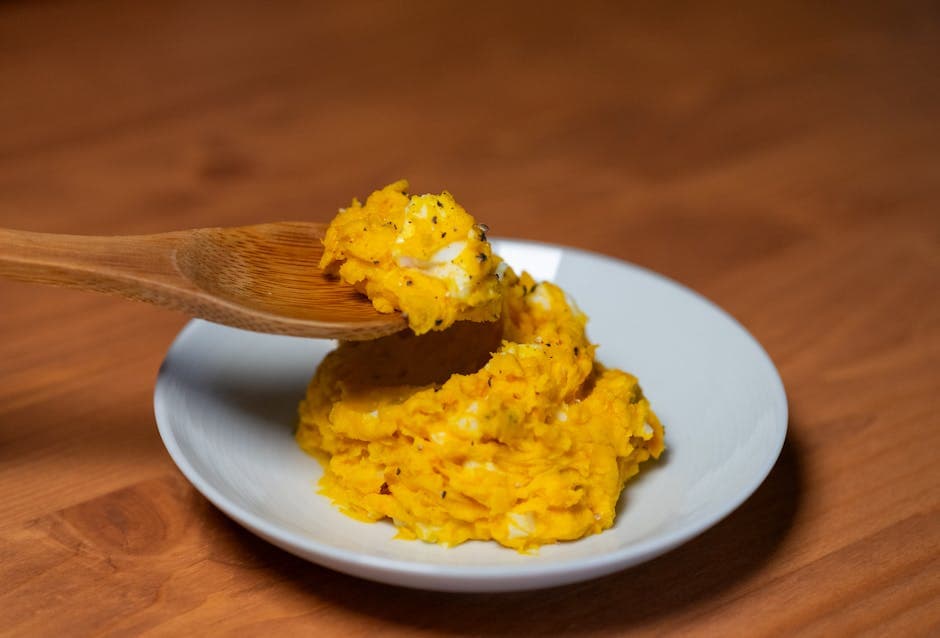
Mangú (Dominican Mashed Plantains with Three Strikes)
Dominican breakfast classic: silky mashed green plantains topped with pickled red onions, fried cheese, salami, and eggs.
About This Recipe
Mangú is the breakfast that powers the Dominican Republic. Green plantains are boiled until tender, then mashed with cold water (yes, cold — this is the trick), butter, and salt into a silky, almost mousse-like puree, scooped onto a plate and topped with a tangle of vinegar-pickled red onions. The full plate, known as 'Los Tres Golpes' (the Three Strikes), adds a slab of pan-fried queso frito, slices of crisp-edged Dominican salami, and two fried eggs sunny-side up. It is the breakfast of farmers, taxi drivers, and abuelas, and the comfort food every Dominican abroad misses most. The name 'mangú' is thought to come from the African 'mangusi' brought via West African enslaved laborers; the dish itself is a creole creation of indigenous Taíno plantain mashing technique meeting African and Spanish hands in colonial Hispaniola.
Ingredients
Serves 4
- 4 largegreen plantains, peeled and cut into 5 cm chunks
- 1 Lwater, for boiling, plus 250 ml ice water
- 1 tspfine salt, for the boiling water
- 3 tbspunsalted butter, cold
- 1 largered onion, thinly sliced into half-moons
- 60 mlwhite vinegar
- 1 tspsugar
- 0.5 tspfine salt, for the onions
- 200 gDominican salami (Induveca brand if available), sliced 1 cm thick
- 200 gqueso de freír (Dominican frying cheese) or halloumi, sliced 1 cm thick
- 4 largeeggs
- 4 tbspvegetable oil, divided
Instructions
- 1
Pickle the onions
Soak the sliced red onion in a bowl with the vinegar, sugar, salt, and 60 ml hot water. Let sit at least 15 minutes — they'll turn bright pink and tangy.
- 2
Boil the plantains
Place plantain chunks in a pot with the cold water and 1 tsp salt. Bring to a boil and cook 18–20 minutes until very tender — a knife should slide through with no resistance.
- 3
Drain and mash
Drain the plantains. While still hot, transfer to a bowl with the cold butter. Mash with a wooden spoon, gradually splashing in the ice water 2 tablespoons at a time, until the puree is silky, pale, and lump-free.
Cold water against hot plantain is the Dominican secret — it creates the signature creamy texture.
- 4
Fry the salami
Heat 1 tbsp oil in a non-stick skillet over medium-high. Fry the salami slices 90 seconds per side until they curl up and crisp at the edges. Remove and set aside on paper towels.
- 5
Fry the cheese
Wipe the skillet, add 1 tbsp oil, and fry the cheese slices 90 seconds per side until golden-brown and slightly puffed. Don't overcook — the interior should still be soft.
- 6
Fry the eggs
In the same skillet, add the remaining 2 tbsp oil. Fry the eggs sunny-side up until the whites are crisp at the edges and the yolks still very runny.
- 7
Plate
Mound a scoop of warm mangú in the center of each plate. Top with a generous tangle of pickled onions and their pink liquid. Arrange salami, cheese, and a fried egg around the mangú. Serve immediately while the egg yolk is still hot.
Did you make this?
Rate it and help other cooks find the recipes that actually work.
One tap to sign in, and we'll save the rating you just picked.
Everything you need to plan your week — free
- Meal calendar
- Grocery list
- AI recipe ideas
Track what you eat
Snap your meal to log calories and macros, run fasting timers and track water in the free SnapCal app.
Pro Tips
- →
Plantains must be fully green and starchy — yellow plantains are too sweet and turn the mangú gummy.
- →
Drain the cooked plantains the second they're done — over-cooked plantains get watery and refuse to mash smooth.
- →
Dominican salami (Induveca brand specifically) tastes very different from European salami — much milder, slightly sweet. Substitute with a soft Spanish chorizo if you can't find it.
Variations
- •
Mangú with avocado: skip one of the three golpes and add sliced ripe avocado on the side — popular at home.
- •
Vegetarian mangú: drop the salami and add an extra slice of fried cheese and an avocado.
- •
Add a drizzle of olive oil over the mangú just before serving for richness — done in Santiago.
Storage
Mangú is best made fresh — it stiffens within an hour. To revive leftovers, mash with a splash of warm milk or water over low heat. The pickled onions keep refrigerated for up to a week.
History & Origin
Mangú traces to the Taíno indigenous people, who mashed plantains and root vegetables long before European contact. The technique was refined by African enslaved cooks during Spanish colonization of Hispaniola, who likely contributed the name (from the West African 'mangusi'). The full 'Los Tres Golpes' breakfast in its current form solidified in the early 20th century.
Frequently Asked Questions
Why cold water in the mash?
Cold water hitting hot plantain starch sets the puree into a silky, light texture instead of a sticky paste. It's the single most important step.
Can I use plantains that are starting to yellow?
Not for traditional mangú — slightly yellow plantains turn the dish sweet and gummy. You need fully green plantains where the skin still resists peeling.
What is queso de freír?
It's a firm, salty Dominican cheese specifically made to hold its shape when fried — it doesn't melt. Halloumi is the closest widely-available substitute.
Nutrition Facts
Per serving (450g / 15.9 oz) · 4 servings total
Time Summary
Have Questions?
Ask our AI cooking assistant anything about this recipe — substitutions, techniques, scaling.
Chat with AI Chef →Featured in Guides
This recipe is featured in the following curated guides:
More Dominican Recipes
You Might Also Like
Similar dishes from other cuisines around the world.
Free Kitchen Tools
Calculators and converters that pair with this page — no signup needed.
Put This Into a Plan
Schedule it, shop for it, and track what you already have.
Read Next
Longer reads that go deeper on the ideas behind this dish.
Community
Join the conversation
Sign in to leave a comment and save your favourite recipes