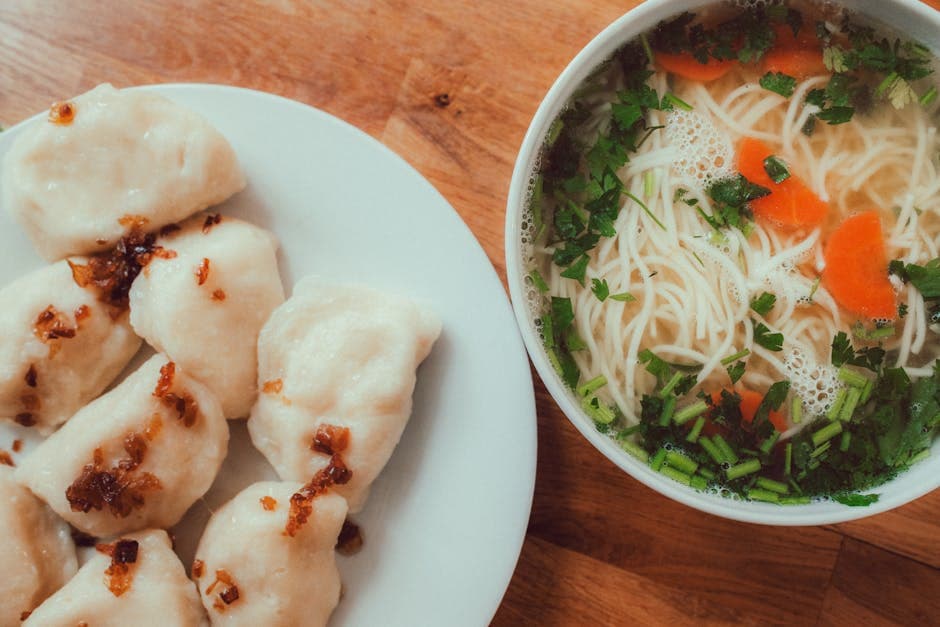
Domoda is one of Senegal's most beloved dishes — a thick, velvety stew of beef, tomatoes and vegetables slow-cooked in a rich groundnut (peanut) base. The peanut butter gives it a nutty richness and body that is almost curry-like, while the tomato and sweet potato provide sweetness and substance. It is typically served over white rice and eaten communally from a large bowl.
Serves 6
Heat oil in a large heavy pot. Brown beef in batches over high heat. Remove.
Cook onions in remaining fat until golden. Add garlic and tomato paste. Cook 2 minutes.
Add canned tomatoes and stock. Whisk in peanut butter until smooth. Add scotch bonnet whole and return beef.
Bring to a boil, then cover and simmer 45 minutes until beef is tender.
Add sweet potatoes. Simmer uncovered 20 minutes until potatoes are tender and sauce is thick. Remove scotch bonnet. Season and serve over rice.
Everything you need to plan your week — free
Cook this hands-free
Get AI meal plans, step-by-step cooking mode, and your saved recipes in the free Bento app.
Whisking in the peanut butter off-heat prevents lumps.
The whole scotch bonnet adds gentle heat — pierce it for more heat or discard whole for mild.
Domoda improves significantly the next day.
Taste and adjust salt at the very end — flavors concentrate as liquids reduce, and a final pinch of flaky salt sharpens the whole dish.
Use chicken instead of beef for a lighter, faster version.
Add aubergine for extra vegetable content.
Vegetarian: swap the protein for roasted king oyster mushrooms, smoked tofu or cooked chickpeas — adjust seasoning slightly upward to compensate.
Spicier: add a finely chopped fresh chile or a teaspoon of crushed Aleppo/Urfa pepper to the aromatics for warm, layered heat instead of a single sharp hit.
Refrigerate for 4 days or freeze for 3 months.
Domoda is considered by many to be the national dish of The Gambia and is widely eaten in Senegal. It reflects the West African tradition of groundnut-based stews that are found across the continent.
Yes, though smooth gives a silkier sauce. Alternatively, blend roasted groundnuts yourself for the most authentic flavour.
Yes — most of the components can be prepared up to a day in advance and refrigerated separately. Reheat gently and assemble just before serving so textures stay distinct.
Stay close to the role each ingredient plays: swap aromatics for similar ones (shallot for onion, lime for lemon), and keep the fat-acid-salt balance intact. Spice blends can usually be approximated with what's in the cupboard.
Authenticity sits on a spectrum — what matters more is honoring the technique and balance of flavors. If the dish tastes harmonious and respects how cooks in its home region would build it, you're on solid ground.
Per serving · 6 servings total
Ask our AI cooking assistant anything about this recipe — substitutions, techniques, scaling.
Chat with AI Chef →This recipe is featured in the following curated guides:
Join the conversation
Sign in to leave a comment and save your favourite recipes
Everything you need to plan your week — free
Have feedback or need help?
We read every email and reply within 1–2 business days.
© 2026 MyCookingCalendar. All rights reserved.