
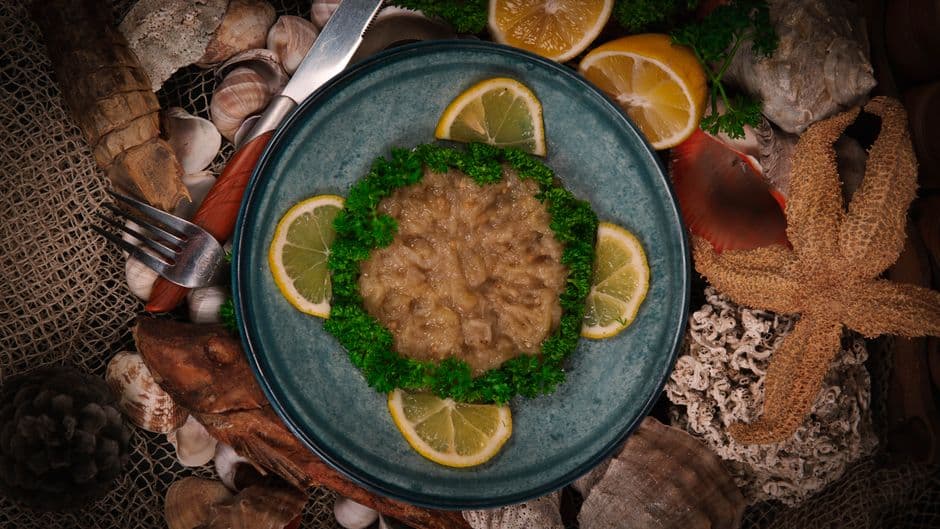
Patlıcan Ezmesi (Smoked Eggplant Dip)
Deeply smoky, fire-roasted eggplant meze with garlic, lemon, and olive oil — Turkey's most celebrated dip and a cornerstone of the meze table.
About This Recipe
Patlıcan ezmesi (crushed/whipped eggplant dip) is the Turkish answer to baba ganoush and arguably more refined — the key distinction being that Turkish tradition avoids tahini in many versions, letting the pure smokiness of the charred eggplant speak without interference. The dish hinges entirely on one technique: the whole eggplant must be charred directly over an open gas flame or under an intense broiler until the skin is completely black and carbonized and the interior collapses completely. This direct-fire method (rather than roasting in an oven) is what creates the signature campfire smokiness that makes this dip addictive — oven-baked eggplant dip tastes pleasant but lacks the depth that makes patlıcan ezmesi extraordinary. After charring and cooling, the skin is peeled away and the smoky flesh is drained in a colander to eliminate excess liquid — skipping this step results in a watery dip. The flesh is then finely chopped (not blended into smoothness — texture is important) and combined with crushed garlic, lemon juice, good olive oil, and sometimes a little yogurt for creaminess. The final dip is spread on a plate, drizzled generously with olive oil, scattered with chopped parsley and perhaps a dusting of sumac or a few Aleppo pepper flakes. Eaten at room temperature with fresh bread as a meze, or as a sauce alongside grilled meats, patlıcan ezmesi is one of the great achievements of Turkish cooking.
Ingredients
Serves 4
- 2 largeeggplants(about 800g total)
- 2 clovesgarlic(crushed to a paste)
- 2 tbspfresh lemon juice
- 3 tbspextra-virgin olive oil(plus more to finish)
- 2 tbspstrained yogurt(optional for creaminess)
- 1 tspsalt
- fresh flat-leaf parsleychopped, to garnish
- sumacto garnish
Instructions
- 1
Char the Eggplants
Place whole, uncut eggplants directly over a gas burner flame on medium-high, or under the broiler on highest setting. Using tongs, turn every 3-4 minutes. Continue until the entire skin is completely charred and black and the eggplant collapses under its own weight, about 15-25 minutes depending on size. Don't rush this step.
The eggplant should be completely soft and deflated before removing from heat — if it still has any firmness, the smoky flavor has not fully developed inside.
- 2
Cool and Drain
Transfer charred eggplants to a colander over the sink. Let cool until handleable (10 minutes). Slit open along one side and scoop out the flesh with a spoon, discarding all charred skin. Let the flesh drain in the colander for 10 minutes, pressing gently to expel the bitter brown liquid.
- 3
Chop and Season
Transfer the drained eggplant flesh to a cutting board and chop finely with a knife — not blend. Some texture in the final dip is desirable. Transfer to a bowl. Add crushed garlic, lemon juice, olive oil, yogurt (if using), and salt. Mix thoroughly. Taste and adjust lemon and salt.
- 4
Plate and Serve
Spread the dip in a wide, shallow bowl using the back of a spoon to create swirls. Drizzle generously with olive oil, scatter chopped parsley, and dust with sumac or Aleppo pepper. Serve at room temperature with fresh bread.
Did you make this?
Rate it and help other cooks find the recipes that actually work.
One tap to sign in, and we'll save the rating you just picked.
Everything you need to plan your week — free
- Meal calendar
- Grocery list
- AI recipe ideas
Track what you eat
Snap your meal to log calories and macros, run fasting timers and track water in the free SnapCal app.
Pro Tips
- →
The eggplant must be charred over a direct open flame — oven roasting cannot replicate the smoky depth of flame-charring.
- →
Drain the eggplant flesh thoroughly; the bitter brown liquid is the main reason dips taste bitter or watery.
- →
Chop with a knife rather than blending — blending aerates the dip and destroys the rustic texture that makes patlıcan ezmesi distinct from hummus-style dips.
- →
Add a crushed roasted garlic clove alongside the raw garlic for a sweeter, less sharp garlic flavor.
Variations
- •
Tahinli patlıcan ezmesi: stir in 2 tbsp tahini for a richer, more Middle Eastern character (similar to baba ganoush).
- •
Cevizli patlıcan: fold in 50g finely chopped toasted walnuts for a hearty Anatolian variation.
- •
Kapya biber ve patlıcan ezmesi: char and add one red bell pepper alongside the eggplant for color and sweetness.
Storage
Patlıcan ezmesi keeps well in an airtight container in the refrigerator for up to 3 days. The smoky flavor actually intensifies overnight. Bring to room temperature before serving and freshen with a drizzle of olive oil and a squeeze of lemon. Do not freeze.
History & Origin
Eggplant has been cultivated in Anatolia for over 2,000 years and is fundamental to Turkish cooking — there is a saying in Turkey that a cook is only truly skilled when they can prepare eggplant forty different ways (kırk türlü patlıcan). Flame-charred eggplant preparations appear in Ottoman cooking texts from the 16th and 17th centuries. The combination with garlic and olive oil reflects both Byzantine and Persian influences on Anatolian cuisine.
Frequently Asked Questions
Why does my eggplant dip taste bitter?
Bitterness usually comes from two sources: not draining the flesh long enough after charring (the brown liquid is bitter), or using an overripe eggplant. Drain for at least 10 minutes and press gently to remove as much liquid as possible. Fresh, firm eggplants have milder flavor than old, spongy ones.
Can I make this without a gas stove?
Yes — place eggplants directly on the coils of an electric burner on the highest setting, or use a cast-iron grill pan over maximum heat, turning frequently. An outdoor grill or BBQ is also excellent. The broiler method works but is slower and produces slightly less smoke flavor.
What bread is traditionally served with this?
In Turkey, patlıcan ezmesi is served with fresh ekmek (Turkish crusty white bread) or with pide bread. Toasted sourdough also works beautifully. It can also be used as a sauce spread inside a wrap or served alongside grilled meats as an alternative to the usual yogurt sauce.
Nutrition Facts
Per serving (130g / 4.6 oz) · 4 servings total
Time Summary
Have Questions?
Ask our AI cooking assistant anything about this recipe — substitutions, techniques, scaling.
Chat with AI Chef →Featured in Guides
This recipe is featured in the following curated guides:
More Turkish Recipes
You Might Also Like
Similar dishes from other cuisines around the world.
Browse by Ingredient
More recipes built around the same core ingredients.
Free Kitchen Tools
Calculators and converters that pair with this page — no signup needed.
Put This Into a Plan
Schedule it, shop for it, and track what you already have.
Read Next
Longer reads that go deeper on the ideas behind this dish.
Community
Join the conversation
Sign in to leave a comment and save your favourite recipes