
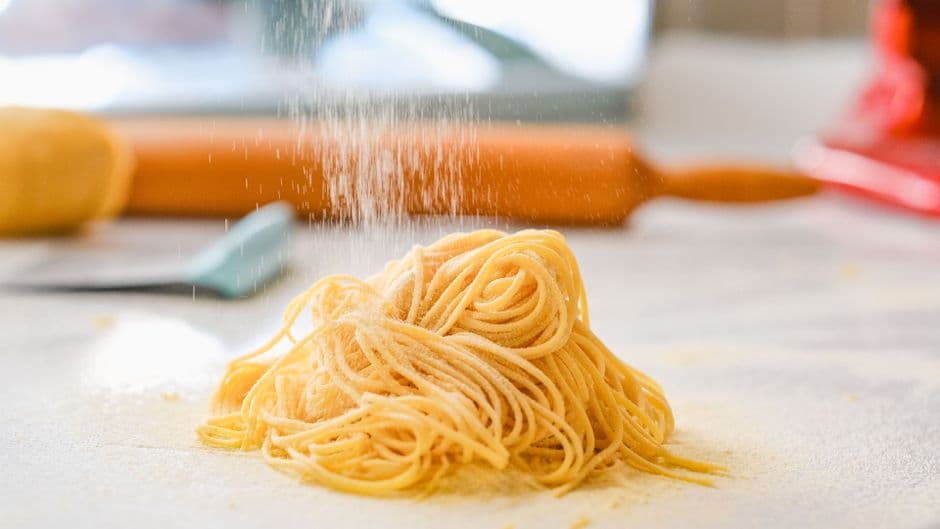
Erişte (Turkish Homemade Noodles)
Tender hand-rolled Turkish noodles in a simple, buttery broth — rustic comfort food at its finest.
About This Recipe
Erişte (pronounced er-ish-teh) are Turkish homemade noodles made from a simple dough of flour, eggs, and water, rolled flat and torn into irregular noodle shapes by hand. The noodles are served in a light broth or oil-based sauce, often topped with caramelized onions, yogurt, and fresh herbs. The dish is rustic and simple, letting the quality of the homemade noodles shine. Erişte is traditional home cooking throughout Turkey and is especially popular in Anatolia. Making erişte from scratch is time-intensive but the result — tender, irregular noodles with a different mouthfeel from dried or fresh store-bought noodles — is worth the effort. Many Turkish families make large batches and dry them for later use.
Ingredients
Serves 4
- 400 gall-purpose flour
- 2 largeeggs
- 100 mlwater (as needed)
- 1 tspsalt
- 1 literchicken or vegetable broth
- 3 tbspbutter (or olive oil)
- 2 largeonions, thinly sliced
- 200 gplain yogurt (for serving)
- 1 small bunchfresh mint (for garnish)
- 1 pinchsalt and pepper
Instructions
- 1
Make the dough
Mix flour, eggs, salt, and water to form a soft dough. Knead for 5–10 minutes until smooth and elastic. Rest 30 minutes covered.
- 2
Roll the dough
Roll the dough very thin on a floured surface (about 1–2 mm thick). It should be almost translucent. This is the most labor-intensive step.
- 3
Tear into noodles
Let the rolled dough dry slightly (about 5 minutes) so it doesn't stick to itself. Using your hands, tear the dough into irregular noodle-sized pieces (about 2–3 cm). The pieces should be rustic and varied in size.
- 4
Caramelize onions
In a large skillet, melt butter and cook sliced onions over medium-low heat until golden and caramelized (about 20 minutes). This is crucial for flavor.
- 5
Cook the erişte
Bring broth to a rolling boil. Add the torn noodle pieces and cook for 8–10 minutes until tender but not mushy. The noodles should float and be completely cooked through.
- 6
Serve
Pour into bowls. Top with a dollop of yogurt, the caramelized onions and butter, and fresh mint. Season with salt and pepper to taste.
Did you make this?
Rate it and help other cooks find the recipes that actually work.
One tap to sign in, and we'll save the rating you just picked.
Everything you need to plan your week — free
- Meal calendar
- Grocery list
- AI recipe ideas
Track what you eat
Snap your meal to log calories and macros, run fasting timers and track water in the free SnapCal app.
Pro Tips
- →
The dough for erişte should be softer than pasta dough — it's meant to be tender.
- →
Rolling the dough thin is essential — this is what gives erişte its unique texture.
- →
Don't overcook the noodles — they should be tender but with a slight chew.
- →
Caramelized onions are essential — they're as important as the noodles.
Variations
- •
With meat — add cooked, spiced ground lamb or beef to the onions.
- •
In oil — serve in olive oil instead of broth for a drier preparation (erişte kızartması).
- •
With different herbs — use fresh parsley or cilantro instead of mint.
- •
Store-bought noodles — if making erişte from scratch seems daunting, some Turkish markets sell pre-made erişte noodles that just need cooking.
Storage
Homemade erişte can be dried and stored in an airtight container for 1+ month. Cook from dried as you would fresh, adding a minute or two to cooking time.
History & Origin
Erişte are a traditional Turkish noodle, especially popular in central Anatolia. The dish reflects the Turkish tradition of making fresh pasta by hand and is considered humble, authentic home cooking.
Frequently Asked Questions
Why is rolling the dough so important?
The thinness is what gives erişte its unique, tender texture. Thick noodles won't have the same delicate quality.
Can I use fresh pasta instead?
You can, but homemade erişte has a different (better) texture than store-bought pasta. The effort of rolling and tearing is part of the tradition.
Is it okay if my erişte noodles are irregular?
Yes, that's the point! Irregularity is what makes erişte rustic and charming. Uniform noodles mean you're making something closer to pasta.
Can I freeze unbaked erişte?
Yes, spread on a tray to dry slightly, then freeze in bags for up to 3 months. Cook directly from frozen.
Nutrition Facts
Per serving (340g / 12.0 oz) · 4 servings total
Time Summary
Have Questions?
Ask our AI cooking assistant anything about this recipe — substitutions, techniques, scaling.
Chat with AI Chef →Featured in Guides
This recipe is featured in the following curated guides:
More Turkish Recipes
You Might Also Like
Similar dishes from other cuisines around the world.
Browse by Ingredient
More recipes built around the same core ingredients.
Free Kitchen Tools
Calculators and converters that pair with this page — no signup needed.
Put This Into a Plan
Schedule it, shop for it, and track what you already have.
Read Next
Longer reads that go deeper on the ideas behind this dish.
Community
Join the conversation
Sign in to leave a comment and save your favourite recipes