
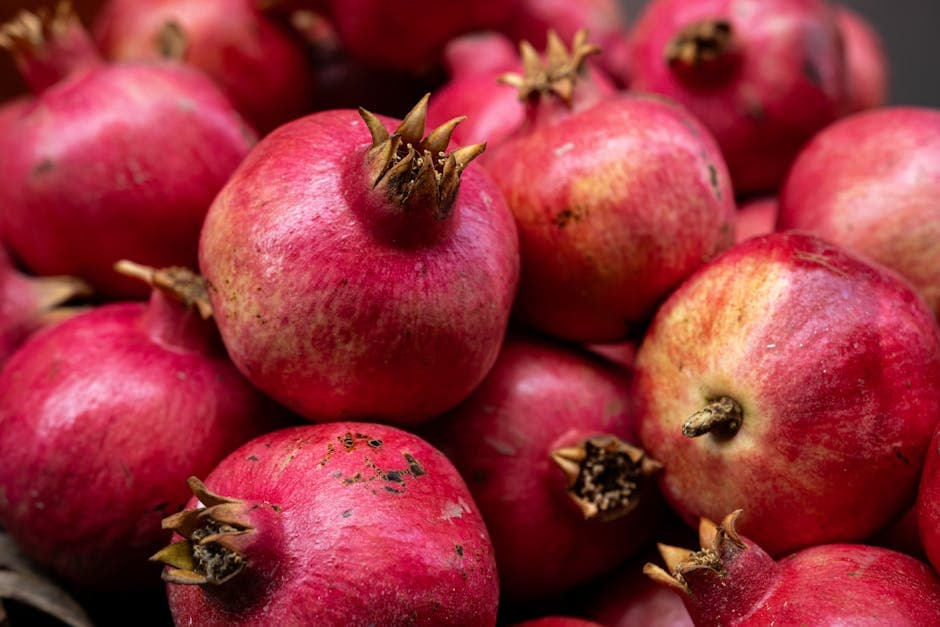
Fesenjan (Persian Walnut and Pomegranate Stew)
Iran's most elegant stew — chicken slow-braised in a dark, sweet-sour gravy of toasted ground walnuts and reduced pomegranate molasses, served over saffron rice.
About This Recipe
Fesenjan, also called khoresh-e fesenjan, is one of the great Persian khoreshts (stews) and arguably the single most distinctive dish of Iran's celebratory table. It is served at Yalda night (the winter solstice), at Nowruz (Persian New Year), and at weddings, and there is no other stew quite like it anywhere in the world: a dark, mahogany-brown sauce of finely ground toasted walnuts cooked patiently for two hours in pomegranate molasses (the deeply reduced syrup of sour pomegranates), which gradually releases the walnut oils and transforms into a glossy, silky, sweet-tart, almost chocolate-colored gravy of incomparable richness. Chicken — traditionally bone-in thigh, though the most opulent versions use duck or quail — is added in the second hour and braises until tender. The balance of sweetness (pomegranate, sometimes a touch of sugar) and sourness (the puckering tartness of the molasses) is what makes fesenjan: too sweet and it's cloying; too sour and it's harsh. The northern Caspian provinces of Gilan and Mazandaran, where both walnuts and pomegranates grow in abundance, are the spiritual home of the dish, and northern versions tend more sour while Tehran's versions tend slightly sweeter. Served over saffron-bejeweled chelow basmati with a side of mast-o-khiar (yogurt with cucumber) and fresh herbs, fesenjan is the Persian dish you make to honor someone.
Ingredients
Serves 6
- 400 graw walnut halves (very fresh — old walnuts taste rancid)
- 1.2 kgbone-in skin-on chicken thighs and drumsticks
- 2 largeyellow onions, finely grated or very finely chopped
- 180 mlpomegranate molasses (Cortas or Al Wadi brand)
- 2 tbspsugar (more or less to balance acidity)
- 1 tspground cinnamon
- 0.5 tspground cardamom
- 1 tspsaffron threads, ground and bloomed in 3 tbsp warm water
- 4 tbspneutral oil or butter
- 700 mlwarm water or light chicken stock
- salt and freshly ground black pepper, plus pomegranate seeds and chopped parsley to garnish
- saffron basmati chelow (rice), to serve
Instructions
- 1
Toast and grind the walnuts
Spread walnuts on a dry baking sheet and toast at 175°C for 8–10 minutes until they smell fragrant and have darkened slightly — do not burn them or the stew will turn bitter. Cool completely, then pulse in a food processor to a fine, almost flour-like crumb. Don't process so long that they turn into walnut butter; stop at fine crumb texture.
- 2
Sauté the onions
Heat 3 tbsp of oil in a heavy Dutch oven over medium heat. Add the grated onions and cook 15 minutes, stirring often, until they are golden brown and have released most of their moisture. This deep onion base is the foundation of the stew.
- 3
Brown the chicken
Push the onions to one side. Pat the chicken dry, season with salt and pepper, and brown skin-side down in the remaining oil 5 minutes per side until deeply golden. Remove the chicken and set aside — you'll return it later.
- 4
Add the walnuts and cook patiently
Add the ground walnuts to the onions in the pot. Stir to coat in the oil and cook 5 minutes over medium-low — they should darken slightly and smell intensely roasted. Pour in 600 ml warm water, stir well, and bring to a gentle simmer. This is the start of the long magic — the walnuts must cook out their bitterness.
- 5
Simmer the sauce 60 minutes
Cover loosely and simmer over the lowest heat for 60 minutes, stirring every 15 minutes. The walnuts will gradually release their oils — you'll see a thin orange-brown layer rise to the surface — and the sauce will turn from gray to a rich mahogany brown. This step cannot be rushed; it is the entire character of the dish.
- 6
Add pomegranate and aromatics
Stir in the pomegranate molasses, sugar, cinnamon, cardamom and half the bloomed saffron. Taste — the sauce should be intensely tart with sweetness underneath. Adjust: more molasses for sour, more sugar for sweet. Add the chicken back to the pot, nestling pieces into the sauce.
- 7
Braise the chicken 45–60 minutes
Cover and simmer 45 minutes over very low heat, until the chicken is falling off the bone and the sauce is glossy and oil-slicked. If the sauce reduces too much, add another splash of water; if too thin, uncover for the last 15 minutes.
- 8
Rest and serve
Stir in the remaining bloomed saffron, taste once more for balance, and rest covered 10 minutes. Serve over saffron chelow basmati rice with a generous scatter of fresh pomegranate seeds and chopped parsley. The visual of ruby seeds against mahogany sauce on golden rice is the whole pleasure of the Persian table.
Did you make this?
Rate it and help other cooks find the recipes that actually work.
One tap to sign in, and we'll save the rating you just picked.
Everything you need to plan your week — free
- Meal calendar
- Grocery list
- AI recipe ideas
Track what you eat
Snap your meal to log calories and macros, run fasting timers and track water in the free SnapCal app.
Pro Tips
- →
Walnut freshness is everything — old walnuts taste rancid and ruin the dish. Buy from a high-turnover Middle Eastern grocery and use within a few weeks. Store in the freezer if not using immediately.
- →
Cortas pomegranate molasses (Lebanese) is the gold standard — thick, dark and intensely sour. Avoid 'pomegranate syrup' which is often sweeter and dilute. Some grocery brands are watered down; look for one with pomegranate juice as the only or first ingredient.
- →
Balance sweet to sour to taste — northern Iranian versions go more sour, Tehran versions slightly sweet. There's no single correct ratio; adjust until it tastes vivid.
- →
Patient simmering is non-negotiable. The walnuts need at least an hour to release their oils and shed bitterness. Rushing gives a grainy, harsh stew.
Variations
- •
Duck fesenjan (fesenjan-e ordak): substitute duck legs — richer, slightly gamy, and considered the most luxurious version. Increase braise time to 90 minutes.
- •
Quail fesenjan: traditional in Caspian provinces — substitute 6 whole quail; reduce braise time to 30 minutes after the sauce is built.
- •
Meatball fesenjan (fesenjan with kufteh): tiny lamb meatballs instead of chicken — more rustic, faster to cook.
- •
Vegetarian fesenjan: substitute large chunks of butternut squash and chickpeas; cooks in 25 minutes once the sauce is built.
Storage
Refrigerates 4 days and flavor improves dramatically by day 2 — many Persian families make fesenjan a day ahead specifically for this reason. Freezes 3 months; thaw overnight in the fridge. The walnut oil can solidify when cold; rewarm gently on stovetop with a splash of water.
History & Origin
Fesenjan dates back over 2,000 years to the Achaemenid Persian empire, with archaeological evidence of walnut-and-pomegranate stews in royal kitchens at Persepolis. The dish became codified in Safavid-era court cookbooks (16th–17th century) and remains the signature stew of northern Iran's Caspian provinces, where walnut and pomegranate orchards have grown for millennia.
Frequently Asked Questions
Can I use walnut pieces or do I need halves?
Either works — what matters is freshness. Pre-ground walnut meal often tastes stale; grind your own from whole walnuts for the best result.
Why is my fesenjan bitter?
Either your walnuts were old or burnt during toasting, or you didn't simmer the sauce long enough before adding pomegranate molasses. The bitterness mellows with long, slow cooking — at least 60 minutes after the walnuts go in the water.
Can I make this in a slow cooker?
Yes — complete steps 1–4 on the stove (the walnut toast and slow stovetop simmer cannot be skipped), then transfer to a slow cooker on LOW for 4 hours after adding the chicken and pomegranate molasses.
What is saffron chelow and is it essential?
Chelow is the Persian method of cooking basmati rice — parboiled, then steamed with butter and saffron to create a crispy golden crust (tahdig) and fluffy long grains. It's the traditional accompaniment, but plain basmati works fine if you're short on time.
Nutrition Facts
Per serving (380g / 13.4 oz) · 6 servings total
Time Summary
Have Questions?
Ask our AI cooking assistant anything about this recipe — substitutions, techniques, scaling.
Chat with AI Chef →Featured in Guides
This recipe is featured in the following curated guides:
More Persian Recipes
You Might Also Like
Similar dishes from other cuisines around the world.
Browse by Ingredient
More recipes built around the same core ingredients.
Free Kitchen Tools
Calculators and converters that pair with this page — no signup needed.
Put This Into a Plan
Schedule it, shop for it, and track what you already have.
Read Next
Longer reads that go deeper on the ideas behind this dish.
Community
Join the conversation
Sign in to leave a comment and save your favourite recipes