
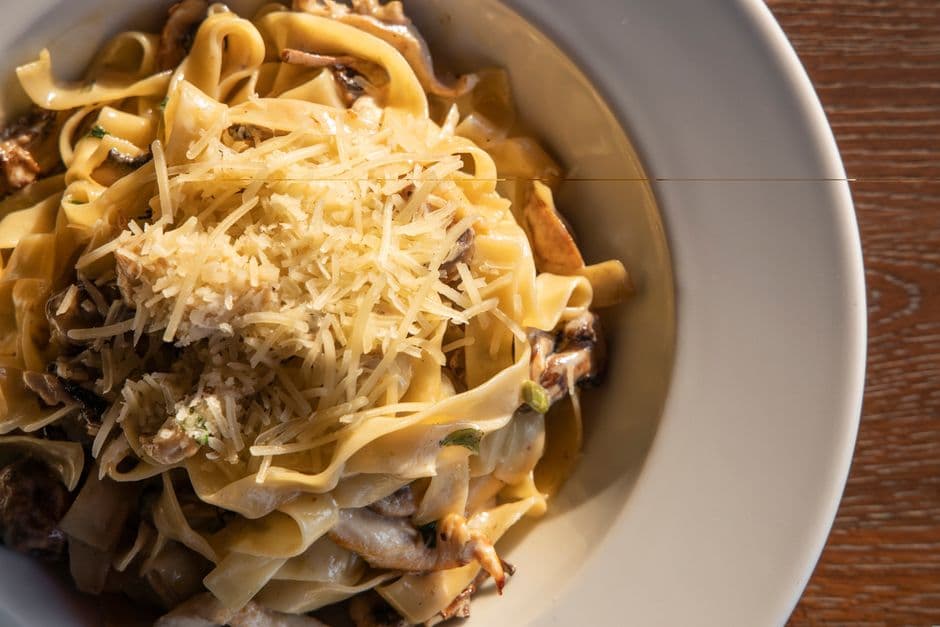
Fettuccine with Lamb Ragù (Turkish-Style)
Wide ribbon pasta tossed in a slow-cooked Anatolian lamb ragù with tomatoes, spices, and finished with garlicky yogurt — a Turkish-Italian fusion comfort dish.
About This Recipe
While pasta is primarily associated with Italian cooking, Turkey has its own centuries-old noodle traditions — from the handmade erişte (flat wheat noodles) of Anatolia to the manti dumplings of Central Asian origin. This dish pairs fettuccine (or hand-cut erişte) with an Anatolian-style lamb ragù that takes the Italian slow-cooked meat sauce concept and layers it with Turkish flavors: tomato, onion, red pepper paste, cumin, cinnamon, and Aleppo pepper. The result is a sauce that smells profoundly of the eastern Mediterranean — deeper, spicier, and more complex than a standard bolognese, with a warmth from the spices that is distinctly Anatolian. What elevates this dish from mere fusion into something genuinely Turkish is the traditional finishing technique of serving pasta with a generous spoonful of garlicky yogurt sauce on top — a preparation found in Turkish and Levantine cooking with the earliest pasta-like dishes (a version of manti is served exactly this way, with yogurt and butter sauce). The cold yogurt against the hot pasta and meat sauce creates a stunning contrast that is deeply satisfying. A final drizzle of melted butter infused with Aleppo pepper ties everything together in characteristic Turkish style.
Ingredients
Serves 4
- 400 gfettuccine or tagliatelle
- 500 gground lamb (or lamb shoulder, finely diced)
- 1 largeonion(finely diced)
- 3 clovesgarlic(minced)
- 400 gcanned crushed tomatoes
- 1.5 tbsptomato paste
- 1 tbspred pepper paste (biber salçası)
- 1 tspcumin
- 1/2 tspcinnamon
- 1 tspAleppo pepper (pul biber)
- 250 gstrained yogurt
- 1 clovegarlic(for the yogurt sauce)
- 3 tbspbutter
- 2 tbspolive oil
- salt and pepper(to taste)
Instructions
- 1
Brown the Lamb
Heat olive oil in a wide heavy-based pan over high heat until smoking. Add the ground lamb in a single layer without stirring — let it sear for 2-3 minutes until deeply browned on the bottom before breaking it up. This initial browning creates the Maillard reaction flavors that give the ragù its depth.
Don't crowd the pan or stir too early — let the meat actually brown rather than steam.
- 2
Build the Sauce Base
Add the diced onion to the browned meat and cook for 4-5 minutes until softened. Add the garlic and cook for 1 minute. Stir in the tomato paste and red pepper paste, cooking for 2 minutes until the pastes darken slightly.
- 3
Add Spices and Tomatoes
Add the cumin, cinnamon, and half the Aleppo pepper to the pan and stir for 30 seconds until fragrant. Pour in the canned tomatoes, season with salt and pepper, add 150ml water, and stir to combine. Bring to a simmer, reduce heat to low, and cook uncovered for 40-45 minutes until the sauce is thick and the oil separates to the surface.
- 4
Prepare the Yogurt Sauce
While the ragù cooks, crush the second garlic clove to a paste with a pinch of salt. Mix thoroughly into the strained yogurt. Taste for seasoning. Leave at room temperature.
- 5
Cook the Pasta and Assemble
Cook fettuccine in generously salted boiling water according to package directions until al dente. Drain, reserving 100ml pasta water. Toss the pasta with the lamb ragù, adding pasta water to reach a glossy, coating consistency. Melt butter in a small pan with the remaining Aleppo pepper until sizzling. Plate the pasta, spoon a generous dollop of garlic yogurt on top, and drizzle the Aleppo butter over everything.
Did you make this?
Rate it and help other cooks find the recipes that actually work.
One tap to sign in, and we'll save the rating you just picked.
Everything you need to plan your week — free
- Meal calendar
- Grocery list
- AI recipe ideas
Track what you eat
Snap your meal to log calories and macros, run fasting timers and track water in the free SnapCal app.
Pro Tips
- →
Brown the lamb aggressively — deep browning produces most of the flavor. A pale grey lamb ragù will be bland.
- →
Reserve pasta cooking water — its starchy content is essential for making the sauce cling to the pasta rather than sitting pooled at the bottom of the bowl.
- →
The yogurt must be at room temperature before serving — cold yogurt chills the pasta immediately.
- →
Cinnamon in savory meat sauce is very traditional in Turkish and Levantine cooking — use a light hand (1/2 tsp) to add warmth without the sauce tasting like dessert.
Variations
- •
Lamb shoulder version: use finely diced lamb shoulder instead of ground for a chunkier, richer ragù — increase cooking time to 90 minutes.
- •
Vegetarian: replace lamb with 300g finely chopped walnuts and 200g mushrooms for a meaty-textured vegan ragù.
- •
Erişte noodles: use homemade Turkish erişte (dried flat hand-cut wheat noodles) instead of fettuccine for an entirely authentic Turkish pasta experience.
Storage
The lamb ragù keeps in the refrigerator for 3 days and freezes for 3 months. Cook pasta fresh to order. To reheat, warm the ragù in a pan with a splash of water, then toss with freshly cooked pasta.
History & Origin
Noodle dishes in Turkey predate Italian influence — erişte (handmade dried pasta) appears in Ottoman sources from at least the 14th century as a Turkic staple brought from Central Asia. The combination of pasta with meat sauce and yogurt is structurally identical to the Turkish manti preparation, which has the same three-component architecture. Italian fettuccine adapts easily to this format because the cultural DNA of the dish is already embedded in Turkish cooking tradition.
Frequently Asked Questions
Is yogurt with pasta a real Turkish tradition?
Absolutely. The most traditional Turkish pasta dish — manti (tiny dumplings) — is always served with a generous spoonful of garlicky yogurt, then topped with melted Aleppo butter. Applying this same technique to fettuccine is a natural extension of the tradition, not a strange fusion idea.
Can I use beef instead of lamb?
Yes, beef produces a milder, less gamey ragù. For the most authentic Anatolian flavor, mix lamb and beef 50:50. If using all beef, add a small piece of bone marrow or a tablespoon of lamb fat to approximate the flavor.
Nutrition Facts
Per serving (380g / 13.4 oz) · 4 servings total
Time Summary
Have Questions?
Ask our AI cooking assistant anything about this recipe — substitutions, techniques, scaling.
Chat with AI Chef →Featured in Guides
This recipe is featured in the following curated guides:
More Turkish Recipes
You Might Also Like
Similar dishes from other cuisines around the world.
Browse by Ingredient
More recipes built around the same core ingredients.
Free Kitchen Tools
Calculators and converters that pair with this page — no signup needed.
Put This Into a Plan
Schedule it, shop for it, and track what you already have.
Read Next
Longer reads that go deeper on the ideas behind this dish.
Community
Join the conversation
Sign in to leave a comment and save your favourite recipes