
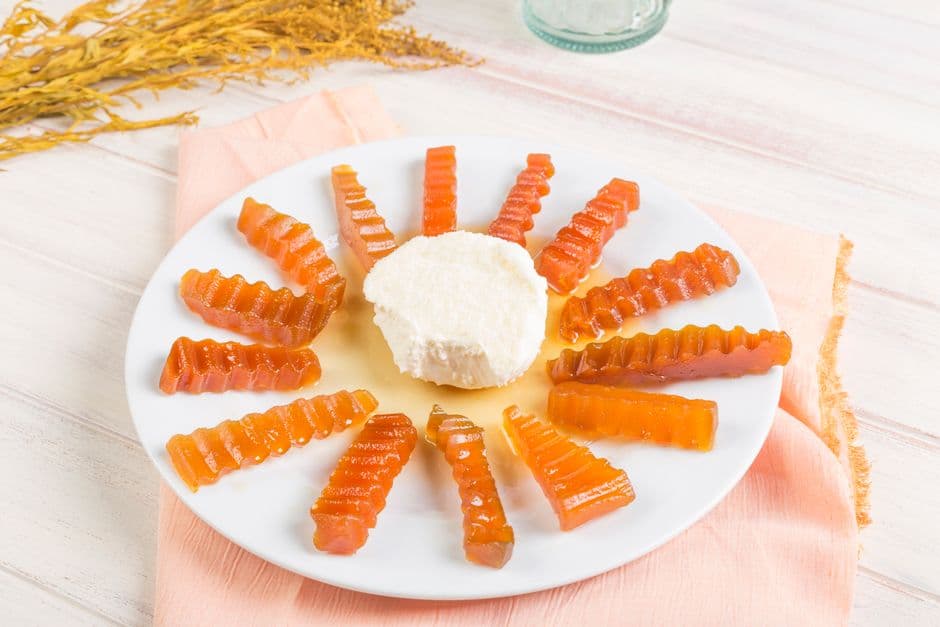
Honey-Roasted Figs with Kaymak (İncir Tatlısı)
Oven-caramelized fresh figs drizzled with pine honey and served with thick clotted cream — a supremely simple Turkish summer dessert of extraordinary elegance.
About This Recipe
Turkey is one of the world's largest fig producers, with the Aegean region (particularly around Aydın and Izmir) producing the most highly prized dried and fresh figs in the world. İncir tatlısı — figs with honey and kaymak (thick clotted cream) — is the simplest and perhaps most perfect expression of Turkish summer fruit dessert culture. The preparation asks almost nothing of the cook: fresh figs, halved and placed in a baking dish, receive a drizzle of pine honey (çam balı, a dark, intensely aromatic honey from Turkey's pine forests) and a knob of butter, then roast at high heat for 10-12 minutes until the sugars caramelize, the cut surface darkens and becomes jammy, and the figs soften while retaining just enough structure to hold their shape. Kaymak is the essential accompaniment — a Turkish specialty made from slowly simmered water buffalo milk whose thick cream layer is skimmed off and folded into rich, slightly tangy sheets. It is Turkey's answer to Devonshire clotted cream but with a more pronounced dairy richness. The warm caramelized figs and cold, thick kaymak create one of the most instinctively satisfying dessert contrasts imaginable. If kaymak is unavailable, good clotted cream or labneh (strained yogurt cheese) is an adequate substitute. A scatter of crushed walnuts or pistachios adds welcome texture and the roasting juices in the pan become a thin caramel that is spooned over as a sauce.
Ingredients
Serves 4
- 8 largeripe fresh figs
- 3 tbsppine honey (çam balı) or dark floral honey
- 1 tbspunsalted butter
- 1 tspvanilla extract
- 2 tbspbalsamic vinegar(optional — adds depth)
- 200 gkaymak (clotted cream or thick yogurt) to serve
- 30 gcrushed walnuts or pistachios(to garnish)
- pinchflaky sea salt
Instructions
- 1
Prepare the Figs
Preheat oven to 200°C. Wash the figs gently and pat dry. Cut each fig in half lengthwise from stem to base. Arrange cut-side up in a single layer in an ovenproof dish or small cast-iron pan. The figs should fit snugly without overlapping.
Use figs that are ripe but still hold their shape — slightly firm is better than completely soft, as overripe figs collapse entirely during roasting.
- 2
Add Honey and Butter
Whisk together the honey, vanilla extract, and balsamic vinegar (if using). Drizzle this mixture generously over the cut figs, making sure it flows down into the natural pocket at the center. Dot tiny pieces of butter over the figs — the butter will melt and combine with the honey to create a glossy, caramel-like basting liquid.
- 3
Roast Until Caramelized
Roast at 200°C for 12-15 minutes until the cut surface of the figs is caramelized and slightly golden, the juices are bubbling and syrupy, and the figs are tender but not collapsed. The edges of the figs should be slightly darker than the center.
Check at 12 minutes — the transition from perfectly caramelized to over-soft can happen quickly in the final minutes of roasting.
- 4
Rest and Plate
Remove from the oven and let cool for 3-4 minutes — they are dangerously hot immediately out of the oven. Place 4 halves on each serving plate. Spoon the caramelized pan juices over the figs. Add a generous dollop of kaymak or clotted cream alongside. Scatter crushed walnuts or pistachios over the top and finish with a tiny pinch of flaky sea salt.
Did you make this?
Rate it and help other cooks find the recipes that actually work.
One tap to sign in, and we'll save the rating you just picked.
Everything you need to plan your week — free
- Meal calendar
- Grocery list
- AI recipe ideas
Track what you eat
Snap your meal to log calories and macros, run fasting timers and track water in the free SnapCal app.
Pro Tips
- →
Pine honey (çam balı) is available at Turkish grocery stores and online — its complex, resinous flavor with a slight bitterness pairs uniquely well with sweet figs.
- →
A pinch of flaky sea salt over the finished dish is the professional touch that intensifies all the flavors — don't skip it.
- →
The figs are best served warm, 5-10 minutes out of the oven, rather than piping hot or cold.
- →
Use a small cast-iron skillet instead of a baking dish for better caramelization and a more attractive table presentation.
Variations
- •
Stuffed figs: before roasting, make a cross-cut in the top of each fig and stuff with a mix of crushed walnuts, honey, and cinnamon.
- •
Grilled version: brush figs with honey-butter and grill on a hot BBQ for 3-4 minutes per side for a smoky char.
- •
Fig with cheese: serve the warm figs alongside a slice of sharp Turkish aged cheese (like old kaşar) for a savory-sweet cheese board presentation.
Storage
Honey-roasted figs are best eaten the same day. They can be refrigerated for 1 day and gently reheated in a low oven (150°C for 5 minutes). Kaymak or clotted cream should be served fresh and not stored with the figs.
History & Origin
Figs are among the oldest cultivated fruits in Turkey and the Mediterranean, with evidence of fig cultivation in the region dating to over 9,000 years ago at sites near the Euphrates River. Turkey, particularly the Aegean provinces of Aydın and Denizli, has been the world's leading producer of dried figs for centuries. In Ottoman cuisine, figs preserved with honey and nuts were a luxury sweet eaten at royal banquets. The simple pairing of fresh figs, honey, and kaymak has been a seasonal summer pleasure in Anatolia since ancient times.
Frequently Asked Questions
What is kaymak and where can I find it?
Kaymak is a thick, rich clotted cream made traditionally from slowly simmered water buffalo milk. It is available at Turkish, Middle Eastern, and some specialty grocery stores. English clotted cream (Devonshire cream) is the best substitute — it has similar richness and slightly acidic dairy flavor. For a lighter option, labneh (strained yogurt cheese) works beautifully.
Can I use dried figs instead of fresh?
Dried figs can work but require a different approach — simmer them in water with honey and cinnamon for 20 minutes until plump, then caramelize in a pan with butter. The result is richer and more intensely sweet. Fresh figs give a more delicate, complex flavor that is worth seeking out in late summer.
What honey should I use?
Turkish pine honey (çam balı) is ideal — it has a distinctive slightly bitter, resinous complexity that balances the sweetness of figs. Thyme honey, buckwheat honey, or any strong dark floral honey works well. Avoid very mild honey like acacia — it lacks the character to stand up to the caramelization process.
Nutrition Facts
Per serving (200g / 7.1 oz) · 4 servings total
Time Summary
Have Questions?
Ask our AI cooking assistant anything about this recipe — substitutions, techniques, scaling.
Chat with AI Chef →Featured in Guides
This recipe is featured in the following curated guides:
More Turkish Recipes
You Might Also Like
Similar dishes from other cuisines around the world.
Free Kitchen Tools
Calculators and converters that pair with this page — no signup needed.
Put This Into a Plan
Schedule it, shop for it, and track what you already have.
Read Next
Longer reads that go deeper on the ideas behind this dish.
Community
Join the conversation
Sign in to leave a comment and save your favourite recipes