
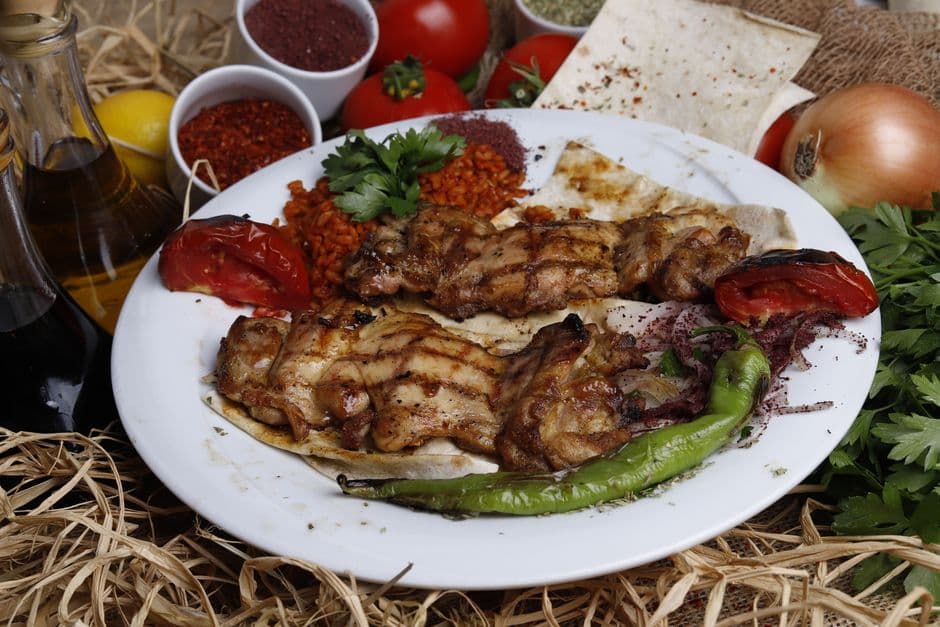
Freekeh Pilaf with Roasted Chicken
Ancient green wheat with a distinctive smoky, nutty flavor cooked with chicken stock, caramelized onion, and warm spices — a pilaf of extraordinary depth.
About This Recipe
Freekeh (also spelled freekah, frikeh, or farik) is one of the most distinctive grains in Middle Eastern and Turkish cooking — young durum wheat harvested while still green, then roasted over an open fire to create a grain with a unique combination of nuttiness, smokiness, and a pleasantly chewy, hearty bite that no other grain replicates. The roasting process, which may have been discovered accidentally when a young wheat crop caught fire thousands of years ago, drives off the outer husk while caramelizing the sugars and creating aromatic compounds that give freekeh its characteristic aroma — somewhere between smoke, toasted bread, and green herb. In Turkey and the broader Levant, freekeh is cooked as a pilaf in chicken or lamb stock, typically alongside roasted chicken or as a stuffing for whole birds. The grain absorbs stock as it cooks, becoming tender while retaining its characteristic smoky depth. Caramelized onions, whole spices (cinnamon stick, allspice, black pepper), and a generous finish of toasted pine nuts and almonds are the standard garnishes that transform a simple grain dish into a celebratory table centerpiece. Unlike rice, which absorbs stock and becomes relatively neutral, freekeh's inherent flavor means the pilaf has complexity even without elaborate preparation — making it a naturally impressive dish for guests.
Ingredients
Serves 4
- 300 gwhole or cracked freekeh(rinsed)
- 800 mlgood chicken stock
- 1 largeonion(thinly sliced)
- 2 tbspbutter
- 1 tbspolive oil
- 1 wholecinnamon stick
- 4 wholeallspice berries
- 1/2 tspground cumin
- 1 tspsalt
- 1/2 tspblack pepper
- 2 tbsppine nuts(toasted)
- 2 tbspslivered almonds(toasted)
- fresh flat-leaf parsleyto garnish
Instructions
- 1
Caramelize the Onion
Heat butter and olive oil in a wide, heavy-based saucepan over medium heat. Add the thinly sliced onion and a pinch of salt. Cook, stirring regularly, for 20-25 minutes until the onion is deeply golden-brown and caramelized. Lower heat if it's coloring too fast — patience here pays off in the final flavor.
- 2
Add Spices and Freekeh
Add the cinnamon stick, allspice berries, and ground cumin to the caramelized onion. Stir for 30 seconds until fragrant. Add the rinsed freekeh and stir to coat each grain in the fat and spices. Toast for 2 minutes, stirring constantly, until the freekeh smells pleasantly warm and nutty.
Rinsing and then toasting the freekeh removes any dusty bitterness and intensifies its natural smokiness.
- 3
Add Stock and Cook
Pour the hot chicken stock over the freekeh. Season with salt and pepper and stir once to combine. Bring to a boil, then reduce heat to the lowest setting, cover tightly, and cook for 35-40 minutes until the liquid is absorbed and the freekeh is tender but still slightly firm.
- 4
Rest and Fluff
Remove from heat. Place a folded tea towel under the lid and let rest for 10 minutes. Remove the cinnamon stick and allspice berries. Fluff gently with a fork.
- 5
Garnish and Serve
Transfer to a serving plate. Scatter the toasted pine nuts and almonds over the top. Garnish with fresh flat-leaf parsley. Serve alongside roasted or grilled chicken, lamb, or as a standalone vegetarian dish.
Did you make this?
Rate it and help other cooks find the recipes that actually work.
One tap to sign in, and we'll save the rating you just picked.
Everything you need to plan your week — free
- Meal calendar
- Grocery list
- AI recipe ideas
Track what you eat
Snap your meal to log calories and macros, run fasting timers and track water in the free SnapCal app.
Pro Tips
- →
Whole freekeh requires 40 minutes of cooking; cracked freekeh needs only 20-25 minutes — check your packet and adjust accordingly.
- →
The caramelized onion base is where most of the flavor complexity comes from — don't rush this step.
- →
Toast pine nuts in a dry pan until golden, watching carefully — they go from golden to burnt in seconds.
- →
Freekeh has more flavor than rice, so a simpler seasoning strategy works well — let the grain's natural smokiness be the star.
Variations
- •
Chicken and freekeh: stuff a whole roasted chicken with freekeh pilaf for a showpiece dish — the grain absorbs the chicken juices as they drip.
- •
Lamb freekeh: cook lamb shoulder pieces on top of the freekeh in a covered pot for a hearty one-pot meal.
- •
Vegetarian version: substitute the chicken stock with rich vegetable stock and double the onion caramelization.
Storage
Freekeh pilaf keeps in an airtight container in the refrigerator for 3 days. Reheat with a splash of water in a covered pan over low heat. It also reheats well in the microwave with a damp paper towel over the top to retain moisture.
History & Origin
Freekeh has been consumed in the Levant, Turkey, and North Africa for over 2,000 years — classical Arabic texts from the 12th century include recipes for dishes made with farik (young roasted green wheat). The grain was traded across the Eastern Mediterranean via ancient trade routes and appears in medieval Ottoman and Arab cookbooks. In Turkey it is called kavılca or firik and is particularly common in the southeastern provinces near the Syrian border where it remains a culinary staple.
Frequently Asked Questions
What does freekeh taste like?
Freekeh has a distinctly smoky, nutty, slightly earthy flavor that is unlike any other grain. It also has herbal, almost green-grassy notes from the young wheat. The flavor is complex enough to carry a dish on its own, which is why it requires less seasoning than rice or bulgur to taste interesting.
Where can I buy freekeh?
Freekeh is available at Middle Eastern grocery stores, health food stores, and online. It comes in two forms: whole freekeh (takes longer to cook, chewier) and cracked freekeh (cooks faster, softer texture). Either works in this recipe with adjusted cooking times.
Is freekeh gluten-free?
No — freekeh is made from wheat and contains gluten. It is a high-fiber, high-protein wheat grain and is suitable for most diets except those avoiding gluten.
Nutrition Facts
Per serving (220g / 7.8 oz) · 4 servings total
Time Summary
Have Questions?
Ask our AI cooking assistant anything about this recipe — substitutions, techniques, scaling.
Chat with AI Chef →Featured in Guides
This recipe is featured in the following curated guides:
More Turkish Recipes
You Might Also Like
Similar dishes from other cuisines around the world.
Free Kitchen Tools
Calculators and converters that pair with this page — no signup needed.
Put This Into a Plan
Schedule it, shop for it, and track what you already have.
Read Next
Longer reads that go deeper on the ideas behind this dish.
Community
Join the conversation
Sign in to leave a comment and save your favourite recipes