
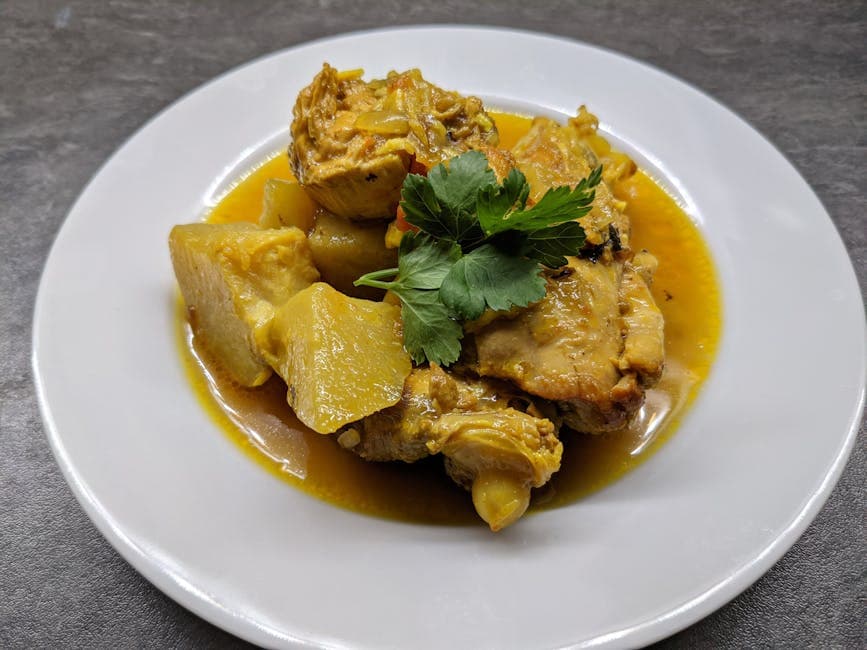
Bouillabaisse (Provençal Fish Stew with Rouille)
Marseille's iconic Provençal fish stew: rockfish broth served in two courses with saffron-orange-fennel poached fish and rouille-topped croutons.
About This Recipe
Bouillabaisse is the most celebrated dish of Marseille and the defining stew of Provence — a deeply orange, saffron-and-fennel-perfumed fish soup that was once humble fishermen's food for the unsellable rockfish of the Mediterranean. The full preparation is famously elaborate: a strong rockfish-and-aromatic broth simmered with tomato, fennel, leek, garlic, orange peel, and saffron, then strained; in a second pot, firm-fleshed fish are poached briefly in the broth; the soup is served first as a course with toasted baguette croutons spread with rouille (a saffron-garlic-chili mayonnaise) and grated gruyère, and the fish is served second on a separate platter. The Marseille Charter of 1980 stipulated which fish 'must' appear (scorpionfish, conger eel, John Dory, sea robin, monkfish, weever), but home cooks adapt with what's available. The crucial points are saffron, fennel, and orange peel — without them, it's just fish soup, not bouillabaisse.
Ingredients
Serves 6
- 1.5 kgmixed fish heads, bones, and small whole rockfish (for broth)
- 1.2 kgfirm white fish fillets (monkfish, John Dory, sea bass, gurnard), in chunks
- 300 gsmall shellfish (clams, mussels, or langoustines, optional)
- 60 mlextra-virgin olive oil
- 2 largeleeks, white and pale green parts only, sliced
- 2 largeyellow onions, sliced
- 1 largefennel bulb, chopped (fronds reserved)
- 8 clovesgarlic, sliced
- 1 cangood-quality tomatoes (400 g), crushed
- 2 tbsptomato paste
- 1 striporange peel (no pith), about 5 cm
- 2 leavesbay
- 2 sprigsfresh thyme
- 1 tspfennel seeds
- 1 generous pinchsaffron threads (about 0.5 g)
- 100 mldry white wine or pastis
- 2 Lwater
- 1.5 tspfine salt, plus more to taste
- 1baguette, sliced and toasted (for serving)
- 150 ggruyère, grated (for serving)
- 2 largeegg yolks (for rouille)
- 4 clovesgarlic, crushed to paste with salt (for rouille)
- 1 tspsaffron threads, soaked in 1 tbsp warm water (for rouille)
- 1 tspcayenne pepper (for rouille)
- 250 mlextra-virgin olive oil (for rouille)
- 1 smallboiled potato, riced (for rouille body)
Instructions
- 1
Build the broth base
Heat olive oil in a very large stockpot over medium. Sweat the leeks, onion, and fennel with a pinch of salt for 12 minutes until soft and pale gold. Add the garlic, fennel seeds, orange peel, bay, and thyme. Cook 2 minutes.
- 2
Add fish heads and bones
Add the fish heads and bones (rinsed thoroughly) and stir for 3–4 minutes — they'll release their flavor. Add tomato paste and stir 1 minute, then the tomatoes.
- 3
Simmer the broth
Pour in the wine and water. Add the saffron and salt. Bring to a boil, then reduce to a steady simmer. Cook 45 minutes — uncovered for the first 25, partially covered after. Skim foam often.
Hard-boiling a fish broth turns it bitter; keep it at a gentle, steady simmer.
- 4
Make the rouille
While the broth simmers, whisk egg yolks with garlic paste, soaked saffron, cayenne, and a pinch of salt. Slowly drizzle in olive oil while whisking constantly until thick and glossy — like a saffron mayonnaise. Whisk in the riced potato for body. Refrigerate.
- 5
Strain the broth
Press the broth through a fine sieve into a clean pot, working a wooden spoon hard to extract every drop. Discard solids. You should have about 1.5 L of intensely orange, fragrant broth. Taste and adjust salt.
- 6
Poach the fish
Bring the strained broth to a gentle simmer. Add the firmest fish (monkfish) first; cook 3 minutes. Add the next-firmest (sea bass, John Dory); cook 2 minutes. Add any shellfish; cook until they open (3 minutes for mussels). Add the most delicate fish last for 1 minute.
- 7
Serve as two courses
Lift the fish carefully onto a warm platter with some broth and cover. Ladle the broth into bowls at the table; pass toasted baguette slices, the rouille (spread thickly on the croutons), and grated gruyère. Serve the fish platter as the second course, dribbling more broth over each portion.
Did you make this?
Rate it and help other cooks find the recipes that actually work.
One tap to sign in, and we'll save the rating you just picked.
Everything you need to plan your week — free
- Meal calendar
- Grocery list
- AI recipe ideas
Track what you eat
Snap your meal to log calories and macros, run fasting timers and track water in the free SnapCal app.
Pro Tips
- →
Saffron is the soul of bouillabaisse — use real saffron threads, not powder, and use generously (a full pinch is the right amount).
- →
The fish broth is the dish, more than the fish itself — invest in really good heads and bones from your fishmonger and don't skimp on simmering time.
- →
Orange peel and fennel are non-negotiable — without them you've made a generic fish stew, not bouillabaisse.
Variations
- •
Bourride: a related Provençal stew using only white fish and finished with aioli stirred into the broth at the table.
- •
Bouillabaisse de morue (salt cod): a Lenten variant using rehydrated salt cod instead of fresh fish.
- •
Quick weeknight version: skip the from-scratch broth and use 1.5 L good fish stock, building flavor with the aromatics on top.
Storage
Broth keeps refrigerated 3 days and is even better on day two; poach fresh fish to order. Don't store cooked fish in broth — it overcooks and shreds.
History & Origin
Bouillabaisse originated as Marseillais fishermen's salvage cooking — a soup of unsold or unsuitable-to-sell rockfish from the morning catch, simmered with whatever aromatics were at hand. By the 19th century it had moved upmarket into Marseille's restaurants, and the 1980 Charter of Bouillabaisse codified the canonical version by stipulating six required fish species and the two-course service ritual.
Frequently Asked Questions
Can I use frozen fish?
Frozen white-fish fillets work for the poaching step. For the broth, fresh heads and bones are far superior — but a backup of good frozen fish stock + fresh aromatics produces a respectable version.
Is rouille really worth making?
Yes — it's what turns the soup course into bouillabaisse. The garlic, saffron, and chili in the rouille bloom in the hot broth and finish the dish. Don't substitute plain mayonnaise.
What's the difference between bouillabaisse and cioppino?
Cioppino is the San Francisco Italian-immigrant cousin — tomato-heavy and served all-in-one with shellfish prominent. Bouillabaisse is Provençal: orange peel, fennel, saffron, and a two-course soup-then-fish service that defines it.
Can I make it in one course?
Marseillais purists would object, but yes — many home cooks serve everything in one bowl. You lose the ritual but keep most of the flavor.
Nutrition Facts
Per serving (580g / 20.5 oz) · 6 servings total
Time Summary
Have Questions?
Ask our AI cooking assistant anything about this recipe — substitutions, techniques, scaling.
Chat with AI Chef →Featured in Guides
This recipe is featured in the following curated guides:
More French Recipes
You Might Also Like
Similar dishes from other cuisines around the world.
Browse by Ingredient
More recipes built around the same core ingredients.
Free Kitchen Tools
Calculators and converters that pair with this page — no signup needed.
Put This Into a Plan
Schedule it, shop for it, and track what you already have.
Read Next
Longer reads that go deeper on the ideas behind this dish.
Community
Join the conversation
Sign in to leave a comment and save your favourite recipes