
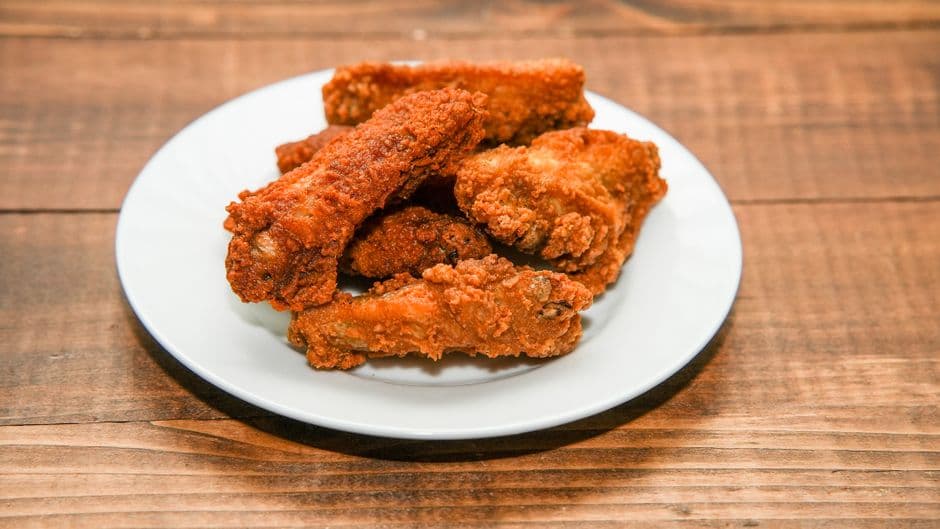
Southern Fried Catfish
Cornmeal-crusted catfish fillets fried until golden and crisp.
About This Recipe
Southern fried catfish is a cornerstone of Gulf Coast and Mississippi Delta cooking, where the mild, sweet fish is dredged in seasoned cornmeal and fried to a shattering golden crust. A soak in buttermilk or hot sauce both tames any muddy flavor and helps the coating cling. The cornmeal, not flour, is the signature: it fries up sandy and crunchy, never doughy. Cooked hot and fast, the fillets stay flaky and moist inside their crisp shell. Served with hush puppies, coleslaw, and a lemon wedge, it anchors the classic Southern fish fry. The right oil temperature, around 360F, makes the difference between greasy and crackling crisp.
Ingredients
Serves 4
- 4catfish fillets(about 6 oz each)
- 1 cupbuttermilk
- 2 tbspLouisiana hot sauce
- 1.5 cupsyellow cornmeal
- 0.5 cupall-purpose flour
- 1 tbspCajun seasoning
- 1 tspgarlic powder
- 1 tspkosher salt
- 0.5 tspblack pepper
- 1 qtpeanut oil(for frying)
- 1lemon(cut into wedges)
Instructions
- 1
Soak the fillets
Combine buttermilk and hot sauce, then submerge the catfish 20-30 minutes. This step removes any earthy river flavor and seasons the fish while helping the cornmeal coating adhere.
An hour soak works even better if you have time.
- 2
Mix the dredge
Whisk cornmeal, flour, Cajun seasoning, garlic powder, salt, and pepper in a shallow dish. The cornmeal gives the signature gritty, crunchy Southern crust that plain flour cannot match.
- 3
Dredge the fish
Lift each fillet from the buttermilk, letting excess drip away, then press firmly into the cornmeal mixture, coating both sides. Set on a rack and let sit 5 minutes so the coating sets.
- 4
Heat the oil
Heat 2 inches of oil to 360F in a cast iron skillet or Dutch oven. Use a thermometer; the right temperature is the single biggest factor in a crisp, non-greasy crust.
Peanut oil has a high smoke point ideal for frying fish.
- 5
Fry in batches
Fry the fillets 3-4 minutes per side until deep golden and the fish flakes easily. Do not crowd the pan, which drops the oil temperature and makes the crust soggy.
- 6
Drain and season
Transfer to a wire rack set over a sheet pan and sprinkle lightly with salt while hot. A rack keeps the bottoms crisp better than paper towels, which trap steam.
- 7
Serve
Serve immediately with lemon wedges, hush puppies, tartar or remoulade sauce, and coleslaw for a complete Southern fish fry.
Did you make this?
Rate it and help other cooks find the recipes that actually work.
One tap to sign in, and we'll save the rating you just picked.
Everything you need to plan your week — free
- Meal calendar
- Grocery list
- AI recipe ideas
Track what you eat
Snap your meal to log calories and macros, run fasting timers and track water in the free SnapCal app.
Pro Tips
- →
Use cornmeal, not flour, for the authentic gritty Southern crust.
- →
Keep the oil at a steady 360F and fry in batches to avoid greasy fish.
- →
Drain on a wire rack instead of paper towels to keep the crust crisp.
- →
A buttermilk and hot sauce soak removes muddy flavor and seasons the fish.
Variations
- •
Add a tablespoon of cornstarch to the dredge for an even crunchier crust.
- •
Cut the fillets into strips for catfish nuggets, popular for dipping.
- •
Blacken the fish in a hot skillet instead of frying for a lighter version.
- •
Spice the cornmeal heavily with cayenne for a fiery Cajun-style fry.
Storage
Best eaten fresh and crisp. Refrigerate leftovers up to 2 days and reheat in a 375F oven or air fryer to revive the crust; microwaving makes the coating soggy.
History & Origin
Catfish has been a Southern staple since Indigenous and early colonial times, abundant in the rivers of the Mississippi Delta. Fried catfish became central to African American cooking and church fish fries, and the rise of farm-raised catfish in Mississippi made it a defining dish of Deep South cuisine.
Frequently Asked Questions
Why use cornmeal instead of flour for fried catfish?
Cornmeal is the traditional coating for Southern fried catfish because it fries into a distinctively crunchy, sandy crust that flour cannot replicate. Flour produces a softer, breadier coating, while cornmeal stays crisp and complements the mild fish. Many cooks use a blend of mostly cornmeal with a little flour to help the crust hold together.
How do I get rid of the muddy taste in catfish?
Wild catfish can have an earthy, muddy flavor from its diet and habitat. Soaking the fillets in buttermilk, milk, or a hot sauce mixture for 20 to 60 minutes neutralizes much of it. Farm-raised catfish, which is grain-fed in clean ponds, has a much milder, sweeter taste and needs little treatment.
What oil is best for frying catfish?
Peanut oil is ideal because of its high smoke point and neutral flavor, and it is traditional at Southern fish fries. Vegetable, canola, or corn oil also work well. Avoid olive oil, which has a low smoke point and strong taste. Whatever you choose, keep it at a steady 360F for the crispest results.
How do I know when fried catfish is done?
Catfish cooks quickly, usually 3 to 4 minutes per side. It is done when the crust is deep golden brown and the fish flakes easily with a fork at its thickest point. The internal temperature should reach 145F. Because the fillets are thin, overcooking happens fast, so watch the color closely.
Nutrition Facts
Per serving (280g / 9.9 oz) · 4 servings total
Time Summary
Have Questions?
Ask our AI cooking assistant anything about this recipe — substitutions, techniques, scaling.
Chat with AI Chef →Featured in Guides
This recipe is featured in the following curated guides:
More American Recipes
You Might Also Like
Similar dishes from other cuisines around the world.
Browse by Ingredient
More recipes built around the same core ingredients.
Free Kitchen Tools
Calculators and converters that pair with this page — no signup needed.
Put This Into a Plan
Schedule it, shop for it, and track what you already have.
Read Next
Longer reads that go deeper on the ideas behind this dish.
Community
Join the conversation
Sign in to leave a comment and save your favourite recipes