
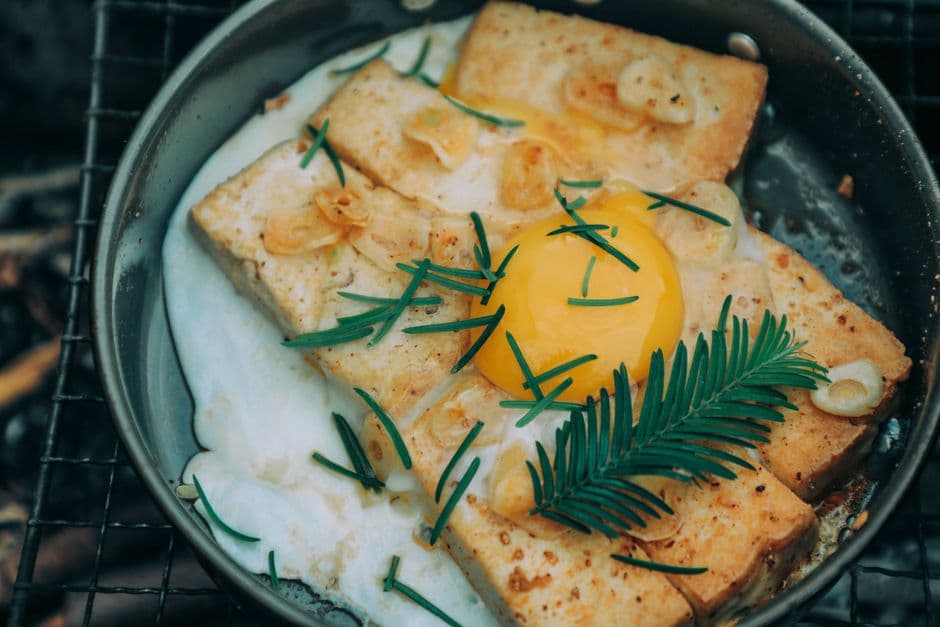
Tavada Hellim (Pan-Fried Halloumi)
Golden-crusted halloumi slices pan-fried to squeaky perfection, finished with honey and thyme — the classic Cypriot-Turkish cheese that doesn't melt.
About This Recipe
Halloumi (hellim in Turkish) is a semi-hard brined cheese originating from Cyprus, made from a blend of sheep's and goat's milk (and increasingly cow's milk), and one of the most distinctive cheeses in the Eastern Mediterranean cooking tradition. What makes halloumi exceptional is its extraordinarily high melting point — the result of the whey-heating process used in its production, which denatures the proteins before brining, giving the cheese the ability to hold its shape in a pan at temperatures that would turn any other cheese into a puddle. When fried in a hot dry or lightly oiled pan, halloumi develops a gorgeous golden-brown crust while the interior becomes warm, soft, and develops a pleasant mild squeak against the teeth. In Turkish and Cypriot cooking, pan-fried halloumi appears at every kahvaltı (breakfast) table, as a meze alongside grilled meats, and as a vegetarian protein. The simplest and arguably best preparation is a hot, dry pan with no oil (the cheese releases its own whey and fat), high heat, and patience — letting the crust form fully before attempting to flip. A drizzle of good honey and a few fresh thyme leaves added in the final minute of cooking is the classic Cyprus technique that transforms a cheese course into a complete dish: sweet, salty, savory, and aromatic in perfect balance.
Ingredients
Serves 4
- 500 ghalloumi (hellim)(sliced 1cm thick)
- 2 tbsphoney(floral or thyme honey preferred)
- 4 sprigsfresh thyme
- 1 tbspolive oil(optional — the pan can be dry)
- lemon wedgesto serve
- black pepperfreshly ground
Instructions
- 1
Prep the Halloumi
Remove halloumi from its packaging and pat dry. If the halloumi is very salty (taste a small corner), soak the whole block in cold water for 30 minutes before slicing. Cut into 1cm thick slices — thinner than this and the pieces become fragile; thicker and they won't heat through before the outside burns.
- 2
Heat a Dry Pan
Heat a heavy non-stick or cast-iron skillet over medium-high heat until very hot — hold your hand 5cm above the surface for 3 seconds; if you have to pull it away, it's ready. Add olive oil if using (a dry pan also works and produces slightly more charring).
- 3
Fry Without Moving
Place the halloumi slices in the pan in a single layer without crowding. Do not move them for 2-3 minutes — the cheese needs to form a complete golden crust before it will release from the pan. If you try to flip it early, it will stick and tear.
Golden-brown crust is what you're after — pale halloumi is chewy and bland; properly browned halloumi has a slightly caramelized, nutty flavor.
- 4
Flip and Add Honey
When the first side is deeply golden, flip each slice. Immediately drizzle honey over the surface of each piece. Scatter fresh thyme leaves. Fry for another 2 minutes until the second side is golden and the honey has caramelized slightly at the edges.
- 5
Serve Immediately
Halloumi must be served immediately — it becomes rubbery within minutes of leaving the heat as the proteins re-harden. Transfer to a warm plate, squeeze a little lemon over the top, grind black pepper generously, and serve with fresh bread.
Did you make this?
Rate it and help other cooks find the recipes that actually work.
One tap to sign in, and we'll save the rating you just picked.
Everything you need to plan your week — free
- Meal calendar
- Grocery list
- AI recipe ideas
Track what you eat
Snap your meal to log calories and macros, run fasting timers and track water in the free SnapCal app.
Pro Tips
- →
Serve immediately — halloumi re-hardens and becomes rubbery as it cools. Have everything else on the table before you start frying.
- →
A very hot, dry pan produces the best browning — halloumi contains enough fat to fry itself, and the absence of added oil allows better caramelization.
- →
Soaking very salty halloumi in water for 30 minutes significantly reduces sodium without affecting texture.
- →
Honey and thyme is the classic accompaniment — but pomegranate molasses and za'atar is an equally brilliant combination.
Variations
- •
Grilled halloumi: grill on a hot BBQ or ridged grill pan for char lines and a smoky flavor.
- •
Halloumi and watermelon: serve fried halloumi alongside cubed watermelon — the classic summer pairing that combines salty, sweet, and cooling.
- •
Breaded halloumi: dip in egg and then breadcrumbs with dried herbs before frying for a crunchier exterior.
Storage
Fried halloumi is best eaten immediately and cannot be successfully stored or reheated. Raw halloumi keeps in the refrigerator in its brine for 2-3 weeks after opening.
History & Origin
Halloumi production has been documented in Cyprus since at least the Byzantine period (5th-6th century CE), with detailed references in medieval Venetian records from the 16th century when Cyprus was under Venetian rule. The cheese spread through Turkish and Eastern Mediterranean cooking during the Ottoman period and became central to Cypriot-Turkish (Kıbrıs Türkleri) culinary identity. Cyprus has since obtained EU Protected Designation of Origin for halloumi, requiring that genuine halloumi be produced in Cyprus.
Frequently Asked Questions
Why does halloumi squeak against the teeth?
The squeaking is caused by the protein structure — specifically the casein proteins that have been denatured during the hot-whey cooking process. These protein strands rub against the surface of your teeth, creating the characteristic squeak. It is a sign of fresh, properly made halloumi.
Can I make this without honey?
Yes — the honey is optional though highly recommended. Plain fried halloumi is excellent with just lemon and black pepper. Pomegranate molasses, date syrup, or even a drizzle of good extra-virgin olive oil all work as alternatives.
Why is my halloumi sticking to the pan?
Either the pan was not hot enough before the cheese went in, or you tried to flip it before the crust had fully formed. Let halloumi cook undisturbed for a full 2-3 minutes — it will release naturally when the crust is ready.
Nutrition Facts
Per serving (140g / 4.9 oz) · 4 servings total
Time Summary
Have Questions?
Ask our AI cooking assistant anything about this recipe — substitutions, techniques, scaling.
Chat with AI Chef →Featured in Guides
This recipe is featured in the following curated guides:
More Turkish Recipes
You Might Also Like
Similar dishes from other cuisines around the world.
Free Kitchen Tools
Calculators and converters that pair with this page — no signup needed.
Put This Into a Plan
Schedule it, shop for it, and track what you already have.
Read Next
Longer reads that go deeper on the ideas behind this dish.
Community
Join the conversation
Sign in to leave a comment and save your favourite recipes