
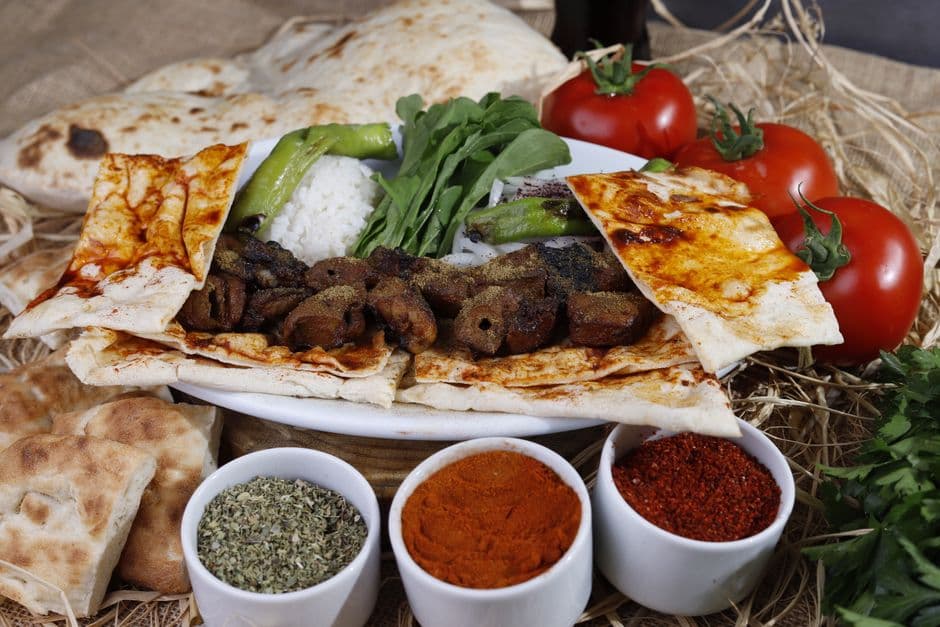
Arnavut Ciğeri (Albanian-Style Fried Liver)
Tender cubed lamb liver flash-fried with paprika and served with raw onion, parsley, and sumac — a beloved Turkish meze that turns offal into something irresistible.
About This Recipe
Arnavut ciğeri (literally 'Albanian liver') is one of the most popular meze dishes in Turkish meyhane (tavern) culture despite — or perhaps because of — its straightforward simplicity. The name reflects the historical Ottoman connection with Albania, where this cooking style of quickly frying cubed liver in spiced flour and serving with raw onion is said to have originated before spreading throughout the empire. The dish celebrates rather than disguises the intense flavor of lamb liver, treating it as a delicacy rather than an afterthought. The success of Arnavut ciğeri rests on two pillars: freshness and speed. The liver must be fresh — ideally cooked the day it is purchased — as aged liver develops an overwhelming bitterness. And the cooking must be rapid: liver cut into 1-2cm cubes and tossed in paprika-seasoned flour, fried in very hot fat for just 2-3 minutes per batch. Overcooking liver makes it grainy, gritty, and bitter; properly cooked liver is tender, slightly pink in the center, and has a rich, clean, minerally flavor. The counterpoint to the rich liver is the raw accompaniment: thinly sliced red onion rinsed in cold water to remove harshness, flat-leaf parsley, and a generous dusting of sumac — the tart, berry-like ground spice that is liver's perfect partner in Turkish cuisine.
Ingredients
Serves 4
- 500 gfresh lamb liver(membranes and tubes removed)
- 4 tbspall-purpose flour
- 1.5 tspsweet paprika
- 1/2 tspAleppo pepper (pul biber)
- 1 tspsalt
- 1/2 tspblack pepper
- vegetable oilfor frying
- 1 largered onion(thinly sliced)
- 1 bunchflat-leaf parsley(roughly chopped)
- 1 tbspsumac
- 1 lemoncut into wedges
Instructions
- 1
Prepare the Liver
Using a sharp knife, remove any visible white membranes, bile ducts, and connective tissue from the liver — these parts are bitter and chewy. Cut the liver into 1.5-2cm cubes. Soak in cold salted milk (or cold water) for 15-30 minutes to draw out some of the blood and reduce any bitterness. Drain and pat completely dry.
Soaking in milk is the professional trick for milder-tasting liver — the lactic acid in milk neutralizes some of the bitter compounds.
- 2
Prepare the Onion Garnish
Slice the red onion into very thin half-moons. Place in a bowl, cover with cold water, and leave for 10 minutes. Drain and squeeze firmly — this removes the harsh raw onion bite. Toss with the chopped parsley and set aside.
- 3
Coat the Liver
Combine flour, paprika, Aleppo pepper, salt, and black pepper in a wide, shallow dish. Toss the dried liver cubes in the seasoned flour, shaking off excess. The flour coating should be thin and even.
- 4
Fry Hot and Fast
Heat vegetable oil in a wide heavy skillet to 190°C — it should be very hot. Add liver cubes in a single layer — don't crowd the pan (work in 2 batches). Fry for 2-3 minutes, tossing or turning once, until golden-brown on the outside. Don't cook beyond 3 minutes total — the center should remain just slightly pink.
This is the most critical step: overcooked liver (gritty, grey, and bitter) is worse than no liver at all. 2-3 minutes is the maximum.
- 5
Serve
Transfer the fried liver cubes to a warm serving plate. Mound the rinsed onion and parsley mixture alongside or on top. Dust generously with sumac. Serve with lemon wedges and fresh bread.
Did you make this?
Rate it and help other cooks find the recipes that actually work.
One tap to sign in, and we'll save the rating you just picked.
Everything you need to plan your week — free
- Meal calendar
- Grocery list
- AI recipe ideas
Track what you eat
Snap your meal to log calories and macros, run fasting timers and track water in the free SnapCal app.
Pro Tips
- →
Freshness is everything — buy liver the day you plan to cook it. Liver deteriorates faster than muscle meat and old liver is bitter and unpleasant.
- →
Pat the liver completely dry after soaking — wet liver steams rather than fries and the coating won't adhere.
- →
Very hot oil and small batches are the key to success — crowding drops the temperature and produces braised rather than fried liver.
- →
Sumac is non-negotiable here — its tart, fruity acidity is the perfect counterpoint to the richness of the liver.
Variations
- •
Beef liver version: substitute beef liver for a more robust, intense flavor — cut slightly thinner and cook for the same time.
- •
With a spicy green pepper: add 2-3 sliced mild green peppers to the hot oil just before the liver and fry together.
- •
Tavada ciğer: serve the fried liver in a still-sizzling small copper pan for dramatic presentation.
Storage
Fried liver should be eaten immediately — it deteriorates rapidly. Leftover raw liver can be refrigerated for 1 day maximum but should be cooked the same day purchased. Do not freeze.
History & Origin
Arnavut ciğeri's Ottoman-Albanian name reflects the complex ethnic and culinary mixing of the Ottoman Empire. Albania (Arnavutluk) was part of the Ottoman Empire for over 400 years (1385-1912), and Albanians served prominently in Ottoman administration and military, bringing regional cooking traditions to Istanbul. The spiced fried liver preparation spread throughout the empire and became thoroughly naturalized in Turkish cooking. Today it is a standard item on meyhane menus across Turkey and is particularly associated with the raki-drinking culture of İstanbul's Beyoğlu district.
Frequently Asked Questions
Why does my fried liver taste bitter?
Bitterness in liver comes from three main sources: the liver was not fresh, bile ducts or membranes were left on, or the liver was overcooked. Always use same-day liver, remove all white connective tissue carefully, and cook no longer than 2-3 minutes in very hot oil.
Can I use chicken liver instead of lamb liver?
Yes — chicken liver has a milder, creamier flavor and cooks even faster (1.5-2 minutes maximum). It is slightly softer than lamb liver and a good option if you're new to cooking organ meats.
What does sumac taste like and why is it used here?
Sumac is a ground dried berry with a bright, tart, fruity acidity similar to lemon but with more complexity. It cuts through the richness of the liver and balances the dish beautifully. It is available at Turkish, Middle Eastern, and specialty grocery stores, and is worth having in your spice cabinet for salads and grilled meats as well.
Nutrition Facts
Per serving (180g / 6.3 oz) · 4 servings total
Time Summary
Have Questions?
Ask our AI cooking assistant anything about this recipe — substitutions, techniques, scaling.
Chat with AI Chef →Featured in Guides
This recipe is featured in the following curated guides:
More Turkish Recipes
You Might Also Like
Similar dishes from other cuisines around the world.
Browse by Ingredient
More recipes built around the same core ingredients.
Free Kitchen Tools
Calculators and converters that pair with this page — no signup needed.
Put This Into a Plan
Schedule it, shop for it, and track what you already have.
Read Next
Longer reads that go deeper on the ideas behind this dish.
Community
Join the conversation
Sign in to leave a comment and save your favourite recipes