
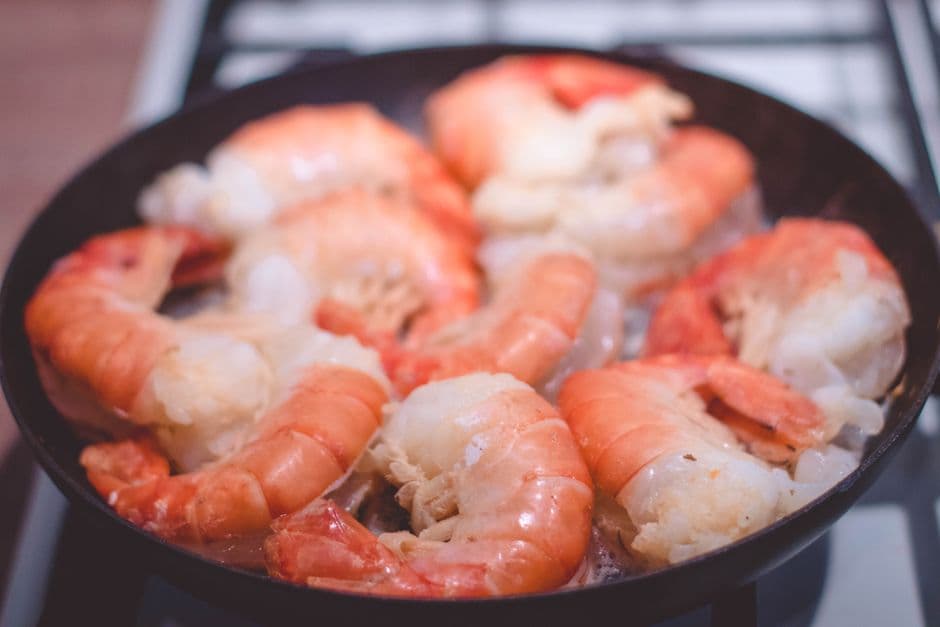
Karides Tava (Turkish Pan-Fried Shrimp)
Plump shrimp pan-fried in garlic butter with white wine, cherry tomatoes, and fresh herbs — a staple of Aegean coastal restaurants and a 15-minute weeknight masterpiece.
About This Recipe
Karides tava (pan-fried shrimp) is one of the most beloved seafood dishes in Turkish coastal cuisine, found on every meyhane menu from Istanbul's Bosphorus fish restaurants to the seaside mezes of Bodrum and Çeşme. The Turkish approach to shrimp differs from deep-frying traditions: karides tava uses a hot skillet with butter and olive oil, high heat, and very brief cooking — 2-3 minutes total — to produce shrimp that are just barely cooked through, still sweet and slightly translucent at the center, with a buttery golden exterior. Overcooking is the cardinal sin with shrimp and is tragically common in home kitchens; a properly cooked shrimp curls into a C shape, not a tight O (overcooked). The classic Turkish karides tava builds on the base of shrimp with sautéed garlic, a splash of Turkish white wine (or dry vermouth), cherry tomatoes that cook down to create a quick sauce, and a generous scatter of fresh parsley and dill at the end. The dish is brought to the table still sizzling in a small copper or cast-iron pan — the theatrical sizzle is part of the experience. Eaten with crusty bread for scooping up the garlicky, tomato-infused pan juices, karides tava is one of those dishes whose simplicity belies its complete elegance. It takes longer to peel and devein the shrimp than to actually cook the dish.
Ingredients
Serves 4
- 600 glarge raw shrimp(peeled, deveined, tails on)
- 4 clovesgarlic(thinly sliced)
- 200 gcherry tomatoes(halved)
- 3 tbspunsalted butter
- 2 tbspolive oil
- 80 mldry white wine or vegetable stock
- 1/2 tspAleppo pepper (pul biber)
- 1 tspsweet paprika
- salt and black pepper(to taste)
- fresh flat-leaf parsley and dillgenerously chopped, to finish
- 1 lemonhalved, for finishing and serving
Instructions
- 1
Prepare and Season the Shrimp
Pat the peeled shrimp completely dry with paper towels — moisture is the enemy of searing. Season generously with salt, black pepper, and paprika. Toss to coat evenly.
Dry shrimp brown; wet shrimp steam. This simple step makes the difference between pale, rubbery shrimp and golden, succulent shrimp.
- 2
Sear the Shrimp
Heat a wide, heavy skillet (or small copper pan) over very high heat. Add olive oil and 1 tbsp butter. When the butter foams and the foam subsides, add the shrimp in a single layer. Sear without moving for 1-1.5 minutes until the bottom is golden and the shrimp has turned pink halfway up the sides. Flip and cook 30-60 seconds more. Remove to a plate — they'll finish cooking in the sauce.
Shrimp are done when they form a C shape and are opaque. An O shape means overcooked — take them out of the pan the moment they curl to C.
- 3
Make the Sauce
In the same hot pan, reduce heat to medium-high. Add remaining butter. Add the sliced garlic and cook for 30 seconds until fragrant but not brown. Add the cherry tomatoes and Aleppo pepper; cook for 2-3 minutes, pressing the tomatoes with the back of a spoon until they burst and release their juices.
- 4
Deglaze and Finish
Pour in the white wine and let it bubble for 1 minute until the sharp alcohol smell dissipates. Return the shrimp to the pan, toss to coat in the sauce, and cook for just 30 seconds to warm through. Squeeze half a lemon over the pan.
- 5
Serve Immediately
Remove from heat, scatter the chopped parsley and dill generously over the top, and serve in the pan (or transfer to a warm shallow bowl) immediately with crusty bread for scooping up the sauce.
Did you make this?
Rate it and help other cooks find the recipes that actually work.
One tap to sign in, and we'll save the rating you just picked.
Everything you need to plan your week — free
- Meal calendar
- Grocery list
- AI recipe ideas
Track what you eat
Snap your meal to log calories and macros, run fasting timers and track water in the free SnapCal app.
Pro Tips
- →
Buy the largest shrimp you can find — large shrimp (16-20 count per pound) forgive slight overcooking far better than small shrimp.
- →
C = correct, O = overcooked. The moment your shrimp curl into a C and are pink throughout, they're done.
- →
Very high heat from the beginning — shrimp cook in minutes and the pan needs to be screaming hot before they go in.
- →
Don't skip the white wine — it creates the acidic, slightly fruity sauce that makes the dish bright and balanced.
Variations
- •
Karides güveç: make this dish in a small earthenware pot (güveç) in the oven at 200°C for 12 minutes for a more rustic, sauce-based presentation.
- •
Spicy version: add a split fresh chili with the garlic and double the Aleppo pepper.
- •
With kashar cheese: scatter grated kashar cheese over the shrimp in the last 2 minutes for a gratinéed version popular in Istanbul.
Storage
Cooked shrimp must be eaten immediately — leftover cooked shrimp become rubbery and unpleasant. Raw peeled shrimp can be refrigerated for 1 day before cooking.
History & Origin
Shrimp and other shellfish have been harvested from Turkey's Aegean, Mediterranean, and Black Sea coasts since ancient times, and appear in Byzantine food records. Karides (shrimp) dishes feature in Ottoman cooking texts from the 18th century and became a prominent part of the seafood meze culture of Istanbul's meyhane tradition in the 19th and early 20th centuries. The sizzling pan presentation (tava = pan) is a distinctly Turkish serving tradition that emphasizes the freshness and immediacy of the dish.
Frequently Asked Questions
Should I use fresh or frozen shrimp?
Fresh shrimp is ideal, but high-quality frozen shrimp (thawed overnight in the fridge) is an excellent substitute and is what most professional kitchens use. Ensure they are fully thawed and completely dry before cooking. Never cook from frozen — they will steam rather than sear.
Why are my shrimp rubbery?
Overcooked shrimp are the most common cooking mistake. Shrimp go from perfectly cooked to overcooked in under a minute — they need 1-1.5 minutes per side maximum at high heat. Watch for the C-shape formation and remove them from the direct heat the moment they are pink and curled, not before the sauce is done.
What wine should I use for this recipe?
Any dry white wine works well — a Turkish white (such as Kavaklidere Çankaya or Pamukkale) is authentic. French Muscadet, Italian Pinot Grigio, or any unoaked dry white will do. Avoid sweet or oaked whites, which make the sauce taste wrong.
Nutrition Facts
Per serving (220g / 7.8 oz) · 4 servings total
Time Summary
Have Questions?
Ask our AI cooking assistant anything about this recipe — substitutions, techniques, scaling.
Chat with AI Chef →Featured in Guides
This recipe is featured in the following curated guides:
More Turkish Recipes
You Might Also Like
Similar dishes from other cuisines around the world.
Browse by Ingredient
More recipes built around the same core ingredients.
Free Kitchen Tools
Calculators and converters that pair with this page — no signup needed.
Put This Into a Plan
Schedule it, shop for it, and track what you already have.
Read Next
Longer reads that go deeper on the ideas behind this dish.
Community
Join the conversation
Sign in to leave a comment and save your favourite recipes