
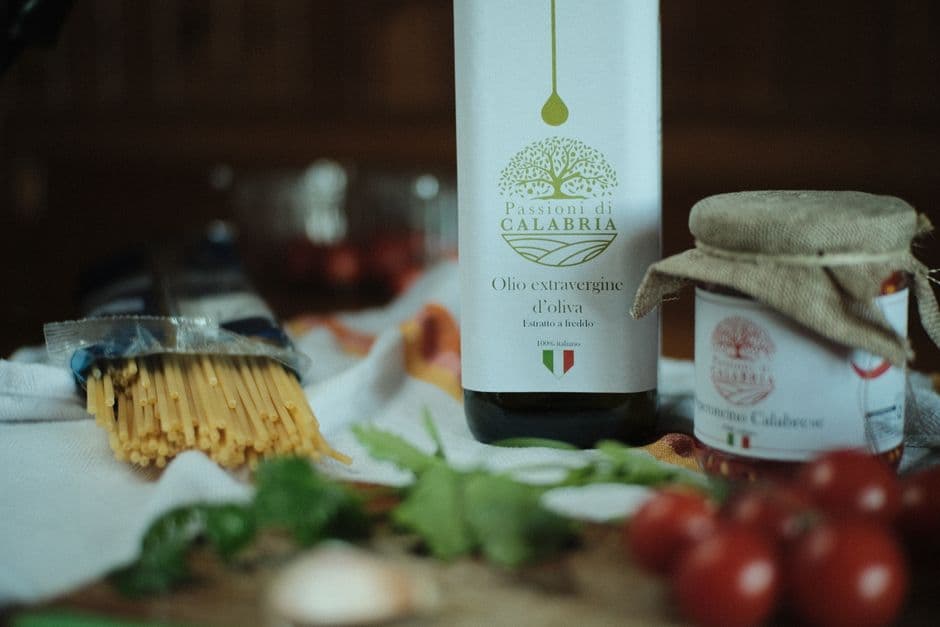
Frittata di Pasta (Neapolitan Pasta Omelette)
Naples' genius leftover dish — yesterday's spaghetti bound in eggs and Parmigiano, pan-fried into a golden-crusted cake that's as good at a beach picnic as it is for dinner.
About This Recipe
Frittata di pasta — sometimes called frittata di maccheroni in southern Italy — is the kind of dish that only emerges from a culture that genuinely respects leftovers. The premise is brilliant: take cold cooked pasta from yesterday's dinner (traditionally spaghetti or vermicelli with the remnants of a tomato or aglio e olio sauce), bind it with beaten eggs and grated Parmigiano or pecorino, and fry it in a hot pan until both sides crust deeply golden. What emerges is a flat, savory pasta cake with a crackling exterior and a tender, almost custardy interior where the eggs have soaked into the noodles. It is portable, eats well at room temperature, and is so beloved in Naples that families intentionally cook extra pasta the night before just to make frittata di pasta the next day. Neapolitan grandmothers traditionally pack it into wax paper for beach trips, train rides and school lunches; it is the original Italian on-the-go meal, predating any sandwich. The version made with yesterday's pasta is considered superior because the noodles have dried slightly and absorb the egg differently — fresh pasta produces a soggier interior. Provola, mozzarella, salami, basil and even leftover meatballs can be folded in. Cooks who grew up eating this dish are quietly fierce: there must be a real crust on both sides, the eggs must outnumber the pasta only slightly, and the whole thing must be eaten with the fingers, standing up, over a piece of paper.
Ingredients
Serves 4
- 400 gcooked spaghetti or vermicelli (ideally yesterday's, with leftover sauce)
- 6 largeeggs
- 80 gParmigiano Reggiano, finely grated
- 40 gPecorino Romano, finely grated
- 100 gprovola affumicata or low-moisture mozzarella, diced (optional)
- 50 gsalami or pancetta, diced (optional)
- 1 small bunchfresh basil leaves, torn
- 4 tbspextra-virgin olive oil
- salt and freshly cracked black pepper to taste
Instructions
- 1
Beat the eggs and cheese
Crack the eggs into a large bowl. Add the grated Parmigiano and Pecorino, a generous twist of black pepper, and a small pinch of salt — remember the cheese is already very salty. Beat with a fork just until uniform. Do not whisk to a foam; you want a custard, not a soufflé.
- 2
Combine with pasta
Add the cold cooked pasta to the bowl, plus the diced provola and salami if using, and the torn basil. Use your hands or two forks to lift and toss the strands so every noodle is coated in egg. The mixture should look generously wet but not soupy; if it seems dry, add another beaten egg.
- 3
Let it sit
Rest the mixture 10 minutes. This is the secret step — the eggs hydrate the pasta and the cheese softens, so the whole thing binds into one mass when it hits the pan instead of falling apart into scrambled-egg-and-noodle confetti.
- 4
Heat the pan
Place a 24 to 26 cm non-stick or well-seasoned cast-iron skillet over medium heat. Add 3 tablespoons of olive oil and swirl to coat the bottom and sides. Wait until the oil shimmers and a strand of pasta dropped in sizzles immediately.
- 5
Pour and shape
Tip the entire pasta-egg mixture into the hot pan. Use a spatula to press it down evenly, tucking stray strands toward the center to form a neat round. Reduce heat to medium-low and let it cook undisturbed for 5 to 7 minutes — peek at the edge after 5 to check it is turning deep golden brown.
The pasta needs to seal into a single disc before you try to move it. Resist the urge to lift and check.
- 6
Flip
Slide the frittata onto a large flat plate. Add another tablespoon of olive oil to the empty pan, swirl to coat, and invert the frittata back into the pan raw-side-down. Press gently to settle. Cook 4 to 5 more minutes until the second side is equally golden and crusted. The center should feel firm to a gentle press.
- 7
Rest
Slide the finished frittata onto a wooden board and let it rest 3 to 5 minutes. The eggs settle, the cheese sets just enough, and the crust crisps further from the residual heat. Resting also makes it dramatically easier to slice cleanly.
- 8
Serve
Cut into wedges and serve warm, room temperature, or even cold from the fridge the next day. Eat with the hands at a beach picnic, with a knife and fork at the table, or stuffed into a panino for a lunch box. A simple green salad and a glass of chilled white wine — preferably Falanghina or Greco di Tufo — complete the meal.
Did you make this?
Rate it and help other cooks find the recipes that actually work.
One tap to sign in, and we'll save the rating you just picked.
Everything you need to plan your week — free
- Meal calendar
- Grocery list
- AI recipe ideas
Track what you eat
Snap your meal to log calories and macros, run fasting timers and track water in the free SnapCal app.
Pro Tips
- →
Use yesterday's pasta if you possibly can — fresh pasta is too wet and produces a soggy interior. Many Neapolitan families cook extra pasta intentionally to make frittata the next day.
- →
The rest before cooking is non-negotiable. Without it the eggs won't hydrate the pasta and the frittata will not hold together when flipped.
- →
A well-crusted exterior is the whole point. Be patient on both sides — golden-brown is the minimum, deep mahogany is better.
- →
The flip is easier than you think with a plate the size of your pan. If the idea still terrifies you, finish the second side under a 220°C broiler for 3 minutes.
Variations
- •
Frittata di pasta in bianco: skip any tomato sauce and use leftover pasta tossed with olive oil, garlic and chili — a more delicate, more cheese-forward version.
- •
Verace Napoletana: add cubed mortadella, peas and provola for the rich version eaten on Easter Monday picnics.
- •
Add 2 tablespoons of chopped cured anchovy and a handful of capers for a sharper, briny version popular along the Amalfi coast.
- •
Mini frittate di pasta: divide the mixture into a muffin tin lined with olive oil and bake at 200°C for 18 minutes for individual portions perfect for kids' lunch boxes.
Storage
Refrigerate up to 3 days wrapped tightly in foil. Eat cold or at room temperature — microwaving destroys the crust and rubberizes the eggs. The Neapolitan way is to slice a wedge cold from the fridge in the morning and eat it standing at the counter with espresso.
History & Origin
Frittata di pasta is a quintessential Neapolitan invention from the late 19th century, rooted in the city's culture of cucina povera — making something delicious out of nothing. With pasta as the most affordable staple and eggs always present in working-class households, leftover spaghetti naturally became the basis for a next-day frittata. The dish traveled with Neapolitan immigrants to the Americas in the early 20th century, where it became a fixture of Italian-American Sunday family meals, particularly in New York and New Jersey, often using leftover Sunday gravy spaghetti.
Frequently Asked Questions
Can I use fresh pasta if I don't have leftovers?
Yes, but cook the pasta a minute past al dente, drain it, toss with a little olive oil to keep it from sticking, and let it cool completely (at least 30 minutes spread on a tray) before mixing with the eggs. Hot pasta will scramble the eggs on contact.
What pasta shape works best?
Long thin noodles — spaghetti, vermicelli, linguine — bind the most effectively into a frittata. Short shapes (penne, rigatoni) work but produce a chunkier, less cohesive cake. Avoid stuffed pastas or anything with a heavy sauce coating that won't grip the egg.
Why is my frittata falling apart when I flip?
Either you didn't rest the mixture long enough before cooking, or you tried to flip too early before the bottom had fully set into a single disc. Cook the first side until you can shake the pan and the whole frittata moves as one piece.
Is this the same as Italian-American spaghetti pie?
Closely related — spaghetti pie is the Italian-American descendant, often baked in an oven dish with extra cheese and sometimes pepperoni. Frittata di pasta is the stovetop, smaller, more rustic original.
Nutrition Facts
Per serving (260g / 9.2 oz) · 4 servings total
Time Summary
Have Questions?
Ask our AI cooking assistant anything about this recipe — substitutions, techniques, scaling.
Chat with AI Chef →Featured in Guides
This recipe is featured in the following curated guides:
More Italian Recipes
You Might Also Like
Similar dishes from other cuisines around the world.
Browse by Ingredient
More recipes built around the same core ingredients.
Free Kitchen Tools
Calculators and converters that pair with this page — no signup needed.
Put This Into a Plan
Schedule it, shop for it, and track what you already have.
Read Next
Longer reads that go deeper on the ideas behind this dish.
Community
Join the conversation
Sign in to leave a comment and save your favourite recipes