
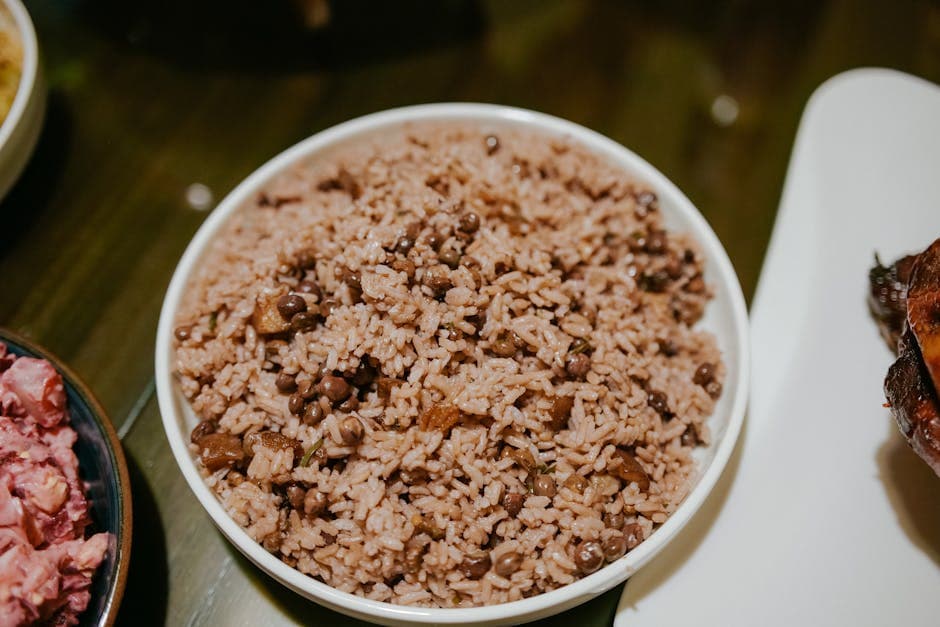
Gallo Pinto (Costa Rican Rice and Beans)
Costa Rica's beloved breakfast — yesterday's rice fried with black beans, sweet pepper, onion and a splash of Salsa Lizano.
About This Recipe
Gallo pinto — 'spotted rooster' — is the national breakfast of Costa Rica, eaten every morning by millions from San José office workers to Guanacaste farmhands. The dish hinges on three elements that distinguish it from its Nicaraguan cousin: small black beans (not red), the use of bean broth to color and flavor the rice, and the indispensable splash of Salsa Lizano, a sweet-tangy condiment created in 1920 that tastes like a tropical Worcestershire. The rice must be day-old and dry — fresh rice clumps and steams instead of frying — and the beans are cooked tender but whole, their broth strained and added back to dye the grains a uniform brown. A proper plate is served with two scrambled or fried eggs, fried sweet plantain (maduros), sour cream (natilla), a wedge of fresh cheese, and a corn tortilla, all washed down with strong dark coffee. Ticos eat it at home, at sodas (cheap diners), and at five-star resorts — it cuts across every class.
Ingredients
Serves 4
- 3 cupsday-old cooked white long-grain rice, cold and dry
- 1.5 cupscooked small black beans, with about 1/2 cup of their cooking broth reserved
- 3 tbspneutral oil (corn or sunflower)
- 1 smallyellow onion, finely diced
- 1 smallred bell pepper, finely diced
- 3 clovesgarlic, minced
- 3 tbspSalsa Lizano (essential — see notes)
- 0.5 tspfine salt, or to taste
- 2 tbspfinely chopped fresh culantro or cilantro
- fried eggs, to serve
- natilla (Costa Rican sour cream), to serve
- fried sweet plantain, to serve
- warm corn tortillas, to serve
Instructions
- 1
Sweat the sofrito
Heat oil in a wide skillet over medium-high. Add onion and bell pepper; cook 4 minutes until softened. Add garlic and cook 30 seconds — don't let it brown.
- 2
Add the beans
Stir in the cooked black beans with their reserved broth. Simmer 2 minutes — the broth should bubble and reduce slightly. This is the step that gives the rice its color.
- 3
Add the rice
Tip the cold rice in and toss thoroughly to coat every grain in the bean broth. Break up any clumps with the back of a spoon. The rice should turn an even tan-brown.
Cold rice is mandatory. Fresh rice will steam and turn to mush.
- 4
Fry until dry
Continue cooking 5–7 minutes, stirring frequently. You want the rice to dry out, develop a few crispy bits at the edges, and absorb all the broth. The pan should sizzle, not bubble.
- 5
Hit it with Lizano
Drizzle the Salsa Lizano over the top and toss. Taste and salt. The smell that hits you is what Costa Ricans associate with morning. Off heat, stir in chopped culantro.
- 6
Plate
Mound generous scoops onto plates. Top each with two fried eggs (sunny side, yolks runny), a spoonful of natilla, a few rounds of fried sweet plantain, and a warm tortilla on the side.
Did you make this?
Rate it and help other cooks find the recipes that actually work.
One tap to sign in, and we'll save the rating you just picked.
Everything you need to plan your week — free
- Meal calendar
- Grocery list
- AI recipe ideas
Cook this hands-free
Get AI meal plans, step-by-step cooking mode, and your saved recipes in the free Bento app.
Pro Tips
- →
Salsa Lizano is non-negotiable — order it online (Amazon stocks it) or substitute a 50/50 mix of Worcestershire and mild HP sauce thinned with a splash of pineapple juice.
- →
Use small Costa Rican or Guatemalan black beans, not the larger Mexican turtle beans. The smaller bean integrates into the rice; the larger sits on top.
- →
The 'pinto' (spotted) effect comes from the contrast of brown beans against tan rice — don't over-blend. You want individual grains and beans visible.
Variations
- •
Nicaraguan gallo pinto uses red beans (frijoles rojos) and skips the Lizano — substitute a dash of vinegar instead.
- •
Caribbean-coast version (Limón) adds coconut milk to the rice and uses Scotch bonnet for heat.
- •
Add diced bacon at step 1 for a non-traditional weekend version.
Storage
Refrigerate up to 3 days. Reheat in a dry skillet with a teaspoon of oil — never microwave (turns gummy). Doesn't freeze well; the texture goes mealy.
History & Origin
The name 'gallo pinto' was recorded in San José as early as 1850 referring to leftover rice fried with beans — a way to stretch staples in working-class kitchens. The dish became a national identity marker after Salsa Lizano was created by Próspero Lizano in 1920; the two have been inseparable since.
Frequently Asked Questions
Why is my gallo pinto mushy?
You used fresh hot rice instead of day-old cold rice. The starch on freshly cooked grains is still soft; chilled rice grains stay separate and fry properly. Always make rice the night before.
What's the difference between Costa Rican and Nicaraguan gallo pinto?
Costa Rica uses small black beans and Salsa Lizano; Nicaragua uses red beans and no Lizano. The two countries argue endlessly about which is original — most evidence points to a shared Caribbean coastal origin.
Can I make this vegan?
Yes — gallo pinto is naturally vegan. Just skip the eggs and natilla, or replace natilla with a cashew cream. Salsa Lizano itself is vegan.
Nutrition Facts
Per serving (340g / 12.0 oz) · 4 servings total
Time Summary
Have Questions?
Ask our AI cooking assistant anything about this recipe — substitutions, techniques, scaling.
Chat with AI Chef →Featured in Guides
This recipe is featured in the following curated guides:
More Costa-rican Recipes
You Might Also Like
Similar dishes from other cuisines around the world.
Free Kitchen Tools
Calculators and converters that pair with this page — no signup needed.
Put This Into a Plan
Schedule it, shop for it, and track what you already have.
Read Next
Longer reads that go deeper on the ideas behind this dish.
Community
Join the conversation
Sign in to leave a comment and save your favourite recipes