
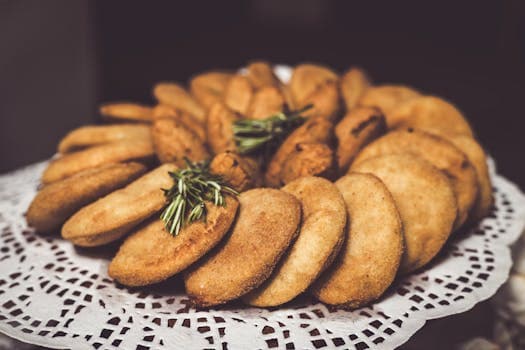
Gâteau Patate
Sweet potato cake flavoured with vanilla and coconut — a classic Réunion dessert.
About This Recipe
Gâteau Patate is one of Réunion's most iconic and beloved sweets — a dense, fragrant cake made from mashed sweet potato enriched with desiccated coconut, butter, eggs and the island's famous Bourbon vanilla. It is sold at every market stall on the island, prepared for school fetes and village celebrations, and carried to picnics wrapped in wax paper alongside sandwiches and passion fruit. The recipe is deeply rooted in the island's agricultural heritage: sweet potatoes have been cultivated in Réunion for centuries, introduced from the Americas via Madagascar and the Cape, and they grow prolifically in the fertile volcanic soil of the highlands. Bourbon vanilla — grown on the island since the early 19th century and still one of the world's finest — is the flavouring that elevates this humble cake from simple to extraordinary. The technique is straightforward but rewards attention to detail. The sweet potato must be thoroughly cooked and mashed until completely smooth — any lumps will create uneven pockets in the baked cake. The batter is thick and dense, closer to a pudding mixture than a typical cake batter, and should be pressed rather than poured into the tin. The correct baking temperature is moderate (180°C), allowing the interior to set fully without the top burning. The finished gâteau patate is dense and moist, with a golden-brown crust and a fudgy, coconut-fragrant interior. It slices cleanly only when fully cooled — a warm gâteau will crumble. On the island, it is eaten at room temperature as a dessert or snack, sometimes accompanied by a scoop of vanilla ice cream or a drizzle of rum.
Ingredients
Serves 8
- 500 gsweet potato(peeled, boiled and mashed smooth)
- 100 gdesiccated coconut
- 150 gcaster sugar
- 2eggs(at room temperature)
- 1 tsppure vanilla extract(or seeds from 1 vanilla pod)
- 50 gunsalted butter(melted and cooled)
- 1 tbspdark rum(optional but traditional)
- 1 pinchsalt
Instructions
- 1
Prepare the sweet potato
Peel and cut sweet potato into even chunks of about 4 cm. Place in a pot of cold water, bring to a boil and cook for 15–18 minutes until completely tender when pierced with a knife. Drain thoroughly and return to the hot pot for 1–2 minutes over low heat to steam off excess moisture — this prevents a wet batter.
Excess moisture is the enemy of a set gâteau; do not skip the drying step.
- 2
Mash until smooth
Mash the drained sweet potato using a potato ricer or fine masher until completely smooth with no lumps — press through a sieve if needed for a perfectly silky texture. Allow to cool to room temperature before proceeding.
- 3
Preheat and prepare tin
Preheat oven to 180°C (160°C fan). Grease a 20 cm round cake tin generously with butter and line the base with parchment paper. For easy removal, grease the parchment as well.
- 4
Make the batter
In a large bowl, combine the cooled mashed sweet potato, desiccated coconut, sugar, eggs, vanilla, melted butter, rum (if using) and salt. Mix with a wooden spoon or spatula until the batter is fully homogeneous — it will be thick and dense, more like a stiff dough than a pourable batter.
Bring eggs to room temperature first; cold eggs can cause the melted butter to solidify in small lumps.
- 5
Fill and level the tin
Spoon the batter into the prepared tin and press it down firmly and evenly with the back of a spoon or a spatula, smoothing the top to a flat, even surface. The batter should fill the tin to about 3 cm depth.
- 6
Bake until set and golden
Bake in the preheated oven for 35–40 minutes until the top is deep golden brown and a skewer inserted in the centre comes out clean. The cake will feel firm to the touch but still slightly springy — it firms up further as it cools.
- 7
Cool completely before slicing
Remove from oven and allow to cool in the tin for 15 minutes, then turn out onto a wire rack. Cool completely to room temperature before slicing — at least 1 hour. A warm gâteau patate will crumble when cut; a cooled one slices cleanly and has a fudgy, dense crumb.
Did you make this?
Rate it and help other cooks find the recipes that actually work.
One tap to sign in, and we'll save the rating you just picked.
Everything you need to plan your week — free
- Meal calendar
- Grocery list
- AI recipe ideas
Cook this hands-free
Get AI meal plans, step-by-step cooking mode, and your saved recipes in the free Bento app.
Pro Tips
- →
The cake firms up significantly as it cools — do not judge doneness by texture alone when warm; a clean skewer is the reliable test.
- →
A tablespoon of dark rum in the batter is traditional on the island and adds a caramelised warmth that complements the coconut beautifully.
- →
Dry the mashed sweet potato well before adding other ingredients — any excess moisture prevents the cake from setting properly.
- →
Bourbon vanilla (from Réunion or Madagascar) makes a noticeable difference in aroma over synthetic vanilla extract; use the real thing if possible.
- →
Toast the desiccated coconut briefly in a dry pan for 2–3 minutes before mixing in — this deepens the coconut flavour and adds a subtle nuttiness.
Variations
- •
Add grated zest of 1 lime and 1 tbsp lime juice to the batter for a bright citrus note that balances the sweetness.
- •
Top with toasted shredded coconut pressed onto the surface before baking for a crunchy, golden crown.
- •
Purple sweet potato version: use ube (purple sweet potato) for a striking violet colour and subtly earthier flavour — adjust sugar down slightly as ube is less sweet.
- •
Individual ramekin version: divide batter among 8 greased ramekins and bake at 180°C for 22–25 minutes for elegant individual portions.
Storage
Store covered at room temperature for up to 2 days — the flavour and texture actually improve on day two as the coconut absorbs moisture from the sweet potato. Refrigerate for up to 5 days; bring to room temperature before serving as the cold makes it too firm to enjoy fully.
History & Origin
Sweet potato cultivation in Réunion dates to at least the 17th century, when the tuber arrived from the Americas via Madagascar and the Cape of Good Hope. Gâteau patate likely developed during the 18th century as enslaved cooks combined the island's abundant sweet potatoes with coconut and Bourbon vanilla — the latter having been successfully cultivated on Réunion from around 1819 using artificial pollination techniques developed on the island. The cake is now inseparable from Réunion's identity, found at every market and celebration.
Frequently Asked Questions
Can I use any type of sweet potato?
Yes — orange-fleshed sweet potato is the most common and gives the cake a warm amber colour. Purple sweet potato (ube) works beautifully and produces a striking violet cake. White sweet potato makes a paler, slightly drier result. Avoid yam, which has a different starch structure and will not set the same way.
Why did my gâteau patate not set properly?
The two most common causes are excess moisture in the sweet potato and underbaking. Always dry the mashed potato in a hot pot before mixing, and bake until a skewer comes out completely clean. The cake should also cool completely before cutting — a warm gâteau will always seem underset even when it is correctly baked.
Is the rum necessary?
No — the rum is traditional but completely optional. The cake is delicious without it. If cooking for children or non-drinkers, simply omit it; you might add an extra half teaspoon of vanilla to compensate for the flavour depth the rum provides.
Can I make this ahead?
Yes, and it is actually better made a day in advance. The coconut hydrates overnight, the flavours meld, and the texture firms to a perfect dense fudginess. Wrap tightly in cling film at room temperature and slice the next day.
How should I serve gâteau patate?
On the island it is eaten as a dessert or afternoon snack at room temperature, sometimes with a small scoop of vanilla ice cream. It also works well drizzled with rum syrup or a little condensed milk. It is not traditionally served warm.
Nutrition Facts
Per serving · 8 servings total
Time Summary
Have Questions?
Ask our AI cooking assistant anything about this recipe — substitutions, techniques, scaling.
Chat with AI Chef →Featured in Guides
This recipe is featured in the following curated guides:
More Reunion Recipes
You Might Also Like
Similar dishes from other cuisines around the world.
Free Kitchen Tools
Calculators and converters that pair with this page — no signup needed.
Put This Into a Plan
Schedule it, shop for it, and track what you already have.
Read Next
Longer reads that go deeper on the ideas behind this dish.
Community
Join the conversation
Sign in to leave a comment and save your favourite recipes