
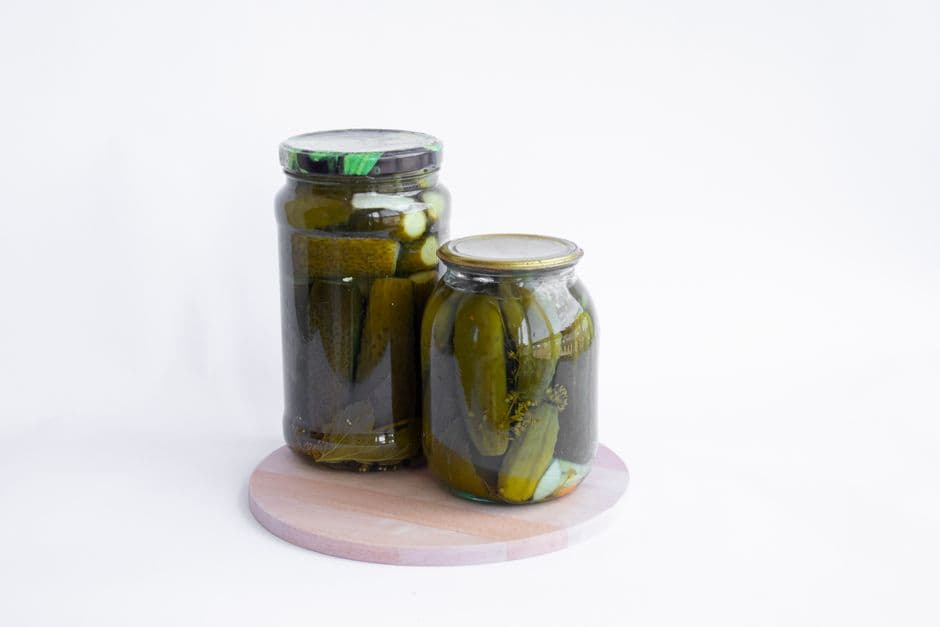
Turşu (Turkish Fermented Gherkin Pickles)
Crispy, tangy fermented gherkins in a garlic-grape vinegar brine — Turkey's most beloved condiment that accompanies everything from kebabs to breakfast.
About This Recipe
Turşu (Turkish pickles) are a cornerstone of Turkish food culture — a family of fermented and brined vegetables that appear on virtually every table as a condiment, a meze, or a palate cleanser. The most classic turşu is made with small Turkish pickling cucumbers (salatalık turşusu) or gherkins, fermented in a brine of grape vinegar, water, salt, garlic, and sometimes a few whole peppercorns and bay leaves. Unlike Western dill pickles which rely almost entirely on vinegar for preservation, traditional Turkish turşu uses a higher proportion of water and relies partly on fermentation — the salt draws out moisture from the vegetables and creates an environment where beneficial lactic acid bacteria do their work over 3-7 days at room temperature before the jars are sealed and refrigerated. The result is a distinctly different product from commercial pickles: more complex in flavor (slightly fermented, sour, garlicky, and savory rather than purely sharp-acidic), much crunchier due to the lower overall acid content, and alive with probiotic bacteria that make them genuinely beneficial for gut health. In Turkey, turşu is so popular that dedicated shops called turşucu sell hundreds of varieties — from pickled watermelon rind and stuffed peppers to fermented beets and garlic — alongside fresh turşu suyu (pickle juice) sold as a health drink. Making your own turşu at home requires only clean jars, fresh vegetables, good salt (rock salt, not iodized), and patience.
Ingredients
Serves 8
- 500 gsmall pickling cucumbers or gherkins(washed, ends trimmed)
- 500 mlwater
- 100 mlgrape vinegar or apple cider vinegar
- 1.5 tbsprock salt or kosher salt(never iodized salt)
- 4 clovesgarlic(lightly crushed)
- 1 tspwhole black peppercorns
- 2 wholebay leaves
- 1 smallfresh chili pepper(optional, for heat)
- 1 small bunchfresh dill(or 1 tsp dried dill seeds)
Instructions
- 1
Sterilize the Jar
Wash a 1-liter glass jar and lid with hot soapy water. Rinse thoroughly. Either boil in water for 10 minutes or place in a 120°C oven for 15 minutes to sterilize. Let cool completely before use.
Sterilization is important for successful fermentation — any contaminating bacteria can cause the pickles to become slimy rather than crisply fermented.
- 2
Prepare the Cucumbers
Trim a 2-3mm slice from each end of the cucumbers — the blossom end (the end opposite the stem) contains enzymes that can make pickles soft. If using larger cucumbers, score them in a few places with a fork to help the brine penetrate.
- 3
Pack the Jar
Place garlic, peppercorns, bay leaves, chili (if using), and dill in the bottom of the jar. Pack the cucumbers tightly vertically — they should be snug enough that they won't float above the brine. Tight packing equals crunchier pickles.
- 4
Make and Add the Brine
Dissolve the salt completely in the water (stir until fully clear). Add the grape vinegar and stir. Pour the brine over the packed cucumbers until completely submerged — all cucumbers must be under the brine. Leave 1cm headspace at the top. Use a small clean weight (a zip-lock bag filled with extra brine) to keep cucumbers submerged if needed.
Any cucumber not submerged will develop white mold rather than beneficial lacto-fermentation.
- 5
Ferment and Store
Seal the jar loosely (to allow gas to escape) or cover with a cloth secured with a rubber band. Leave at room temperature (18-22°C) for 3-5 days, tasting daily from day 3. The brine will become slightly cloudy as fermentation progresses — this is normal and desirable. When the pickles are pleasantly sour and garlicky to your taste, seal tightly and refrigerate.
Did you make this?
Rate it and help other cooks find the recipes that actually work.
One tap to sign in, and we'll save the rating you just picked.
Everything you need to plan your week — free
- Meal calendar
- Grocery list
- AI recipe ideas
Track what you eat
Snap your meal to log calories and macros, run fasting timers and track water in the free SnapCal app.
Pro Tips
- →
Use rock salt or kosher salt, never iodized table salt — iodine inhibits the beneficial bacteria needed for fermentation.
- →
Keep all cucumbers fully submerged throughout fermentation — exposed parts will mold, not ferment.
- →
Taste daily from day 3 — fermentation speed depends on temperature. Warmer rooms ferment faster.
- →
A small piece of horseradish root or a grape leaf added to the jar helps keep the pickles crispy — both contain tannins that firm the cell walls.
Variations
- •
Mixed turşu: combine gherkins with cauliflower florets, carrot sticks, and green peppers in the same jar.
- •
Quick vinegar turşu: skip the fermentation entirely and use a higher vinegar ratio (50:50 with water) for a refrigerator pickle ready in 24 hours.
- •
Pickled chili turşu: ferment whole mild green chili peppers using the same brine for a spicier condiment.
Storage
Fermented turşu keeps in a sealed jar in the refrigerator for up to 3 months, continuing to slowly develop flavor. The brine (turşu suyu) is also delicious as a shot drink — rich in probiotics and electrolytes.
History & Origin
Pickling and fermentation have been practiced in Anatolia since at least 3000 BCE, with clay vessels containing what appear to be brined vegetables found in Hittite archaeological sites. The Ottoman Empire developed pickling into a sophisticated culinary tradition — the palace turşu makers held prestigious positions and served dozens of varieties of pickled vegetables at royal tables. The tradition of turşucu (pickle shops) in Turkish bazaars and markets dates to at least the 16th century.
Frequently Asked Questions
Why are my pickles soft rather than crispy?
Soft pickles are usually caused by not trimming the blossom end (which contains softening enzymes), using iodized salt (which inhibits good bacteria), or the jar not being kept cool enough after fermentation. Always trim both ends of the cucumbers and use rock or kosher salt.
Is the cloudy brine safe?
Yes — cloudiness in naturally fermented pickles is completely normal and actually desirable. It indicates successful lactic acid fermentation by beneficial bacteria. Discard only if the brine has an unpleasant smell (not just sour) or if you see actual fuzzy mold on the surface (not white cloudiness in the liquid).
Can I use regular distilled white vinegar?
Yes, it will produce a sharper, more acidic pickle. Grape vinegar (üzüm sirkesi) is the traditional Turkish choice and gives a slightly softer, more complex sourness. Apple cider vinegar is an excellent middle-ground substitute.
Nutrition Facts
Per serving (50g / 1.8 oz) · 8 servings total
Time Summary
Have Questions?
Ask our AI cooking assistant anything about this recipe — substitutions, techniques, scaling.
Chat with AI Chef →More Turkish Recipes
You Might Also Like
Similar dishes from other cuisines around the world.
Browse by Ingredient
More recipes built around the same core ingredients.
Free Kitchen Tools
Calculators and converters that pair with this page — no signup needed.
Put This Into a Plan
Schedule it, shop for it, and track what you already have.
Read Next
Longer reads that go deeper on the ideas behind this dish.
Community
Join the conversation
Sign in to leave a comment and save your favourite recipes