
persiandinner
Ghormeh Sabzi
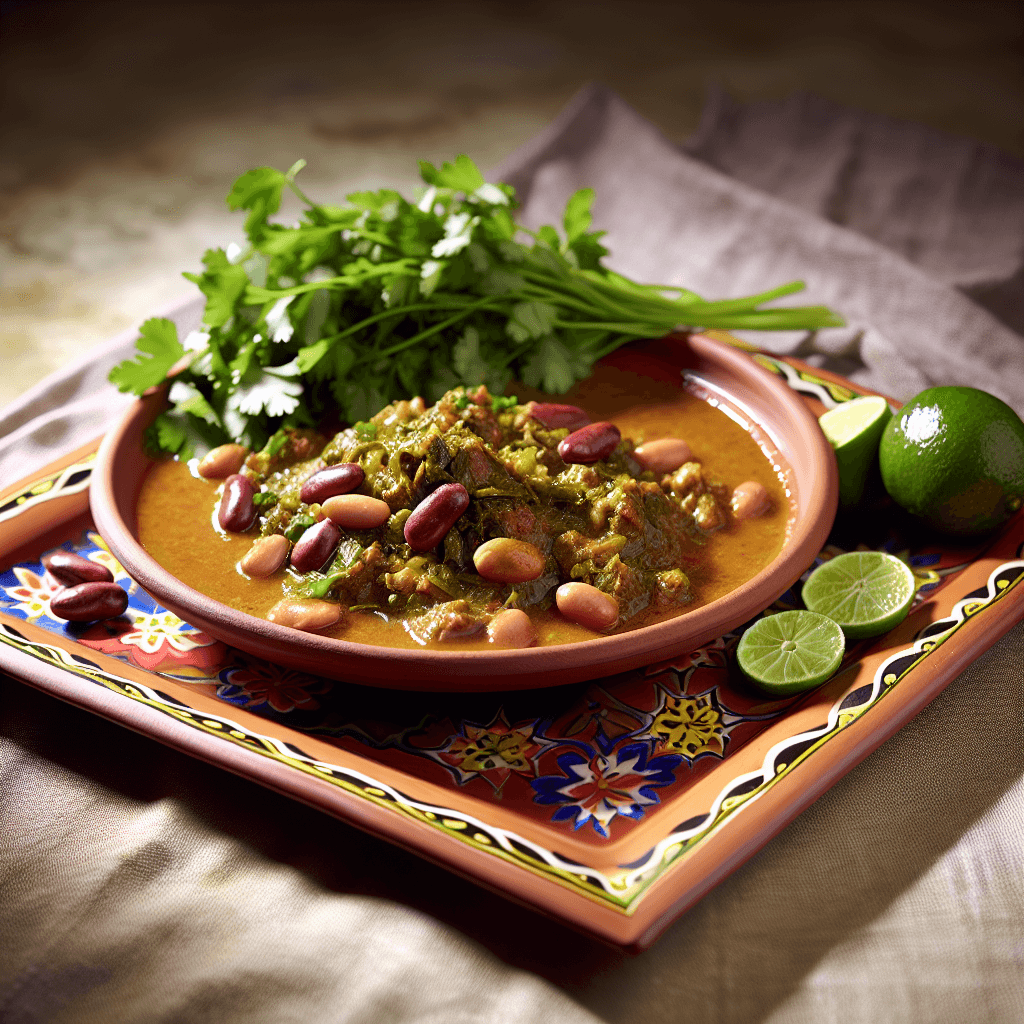
Persian herb and kidney bean stew with dried limes — aromatic and deeply flavorful.
Prep
20 min
Cook
90 min
Servings
6
Difficulty
Medium
4.9
Sign in to rate#persian#herbs#kidney beans#dried limes#stew
Persian herb and kidney bean stew with dried limes — aromatic and deeply flavorful.
Often called Iran's national dish, ghormeh sabzi is a stew where herbs are the star, not a garnish. Mountains of parsley and cilantro — traditionally joined by fenugreek leaves and chives — are chopped fine and fried slowly until they darken to a deep forest green, a step Persian cooks insist cannot be rushed because it transforms raw grassiness into the stew's signature savory depth. Kidney beans and pierced dried limes (limoo amani) then simmer in this herbal base for over an hour, the limes releasing their haunting, tart, slightly smoky perfume into the broth. Spooned over fluffy saffron rice with tahdig, it is the dish Iranians abroad miss most, and a Friday-lunch ritual in homes across Iran.
Serves 6
Heat the oil in a heavy pot over medium heat and cook the diced onions, stirring occasionally, until soft and golden at the edges, about 10 minutes. Add the garlic and cook another minute until fragrant but not browned.
Add the chopped parsley and cilantro and fry, stirring frequently, until the herbs wilt, lose their raw smell, and darken several shades toward deep green — 8-10 minutes rather than a quick wilt. This slow frying builds the stew's foundational flavor.
Patience here is everything; under-fried herbs leave the stew tasting grassy and thin.
Stir in the turmeric, salt, and black pepper and cook for a full minute, coating the herbs and onions, so the turmeric blooms in the hot oil and loses its raw, dusty edge.
Add the drained kidney beans, the pierced dried limes, and the water. Stir well, scraping up anything stuck to the bottom, and bring the pot to a boil over high heat.
Pierce each dried lime several times with a knife tip so it absorbs broth and releases flavor instead of bobbing intact.
Reduce to a low, gentle simmer, cover partially, and cook 60-75 minutes, pressing the dried limes against the side of the pot occasionally to release their juices. The stew is ready when it has thickened to a glossy, spoon-coating consistency.
Taste and adjust salt — the limes will have added gentle bitterness and tang. Serve hot over saffron basmati rice, ideally with shards of crispy tahdig, letting each diner crush a softened lime into their portion.
Everything you need to plan your week — free
Cook this hands-free
Get AI meal plans, step-by-step cooking mode, and your saved recipes in the free Bento app.
Dried limes (limoo amani) are non-negotiable — their fermented, smoky tartness defines the dish and nothing fresh replicates it.
If you can find dried or fresh fenugreek leaves (shanbalileh), add a small handful; it is the secret aroma of authentic ghormeh sabzi, but use sparingly as too much turns the stew bitter.
Fry the herbs until genuinely dark — Iranian cooks say the stew should be 'black-green', not bright green.
The stew tastes dramatically better the next day, so make it ahead when you can.
If the limes make it too bitter for your taste, remove them after 40 minutes of simmering.
The classic version includes lamb or beef stew meat — brown 400g of cubes before the onions and extend simmering to 2 hours.
Use pinto or black-eyed beans, both common regional substitutes for red kidney beans in Iran.
Add a tablespoon of dried fenugreek leaves with the fresh herbs for the full traditional aroma.
A squeeze of fresh lime at the table brightens the stew if your dried limes were mild.
Refrigerate up to 5 days — the flavor deepens noticeably by day two. It also freezes beautifully for up to 3 months; thaw overnight and reheat gently with a splash of water.
Ghormeh sabzi's roots reach back centuries in Persian cooking — the name combines 'ghormeh' (braised, from a Turkic root) with 'sabzi' (herbs). It is widely considered Iran's national dish, and the Iranian diaspora even celebrates an informal International Ghormeh Sabzi Day each year. Every Iranian family guards its own herb ratio, debated as seriously as any heirloom recipe.
Persian and Middle Eastern grocers stock them (look for limoo amani or loomi), and they're widely available online. In a pinch, add the zest and juice of one fresh lime plus a teaspoon of pomegranate molasses near the end of cooking — you'll get tartness and a little depth, though not the distinctive fermented, smoky note of the real thing.
Grassy means the herbs weren't fried long enough — they need 8-10 minutes of active frying until dark green and aromatic. Bitterness usually comes from too much fenugreek or from dried limes left to simmer too long; remove the limes once the stew tastes pleasantly tart, and keep fenugreek to a tablespoon at most.
Yes — Iranian stores sell pre-mixed dried ghormeh sabzi herbs, which many busy Iranian cooks use. Rehydrate about 1 cup of the dried mix in warm water for 15 minutes, squeeze dry, then fry as you would fresh. The flavor is more concentrated, so this amount replaces all 3 cups of fresh herbs here.
Traditionally it contains lamb or beef, but this meatless version is fully legitimate — the kidney beans carry the protein and the herbs and dried limes do the flavor heavy-lifting. Use a rich vegetable stock instead of water for extra body, and it remains naturally vegan as written since there's no dairy involved.
Per serving (350g / 12.3 oz) · 6 servings total
Ask our AI cooking assistant anything about this recipe — substitutions, techniques, scaling.
Chat with AI Chef →This recipe is featured in the following curated guides:
Join the conversation
Sign in to leave a comment and save your favourite recipes
Everything you need to plan your week — free
Have feedback or need help?
We read every email and reply within 1–2 business days.
© 2026 MyCookingCalendar. All rights reserved.