
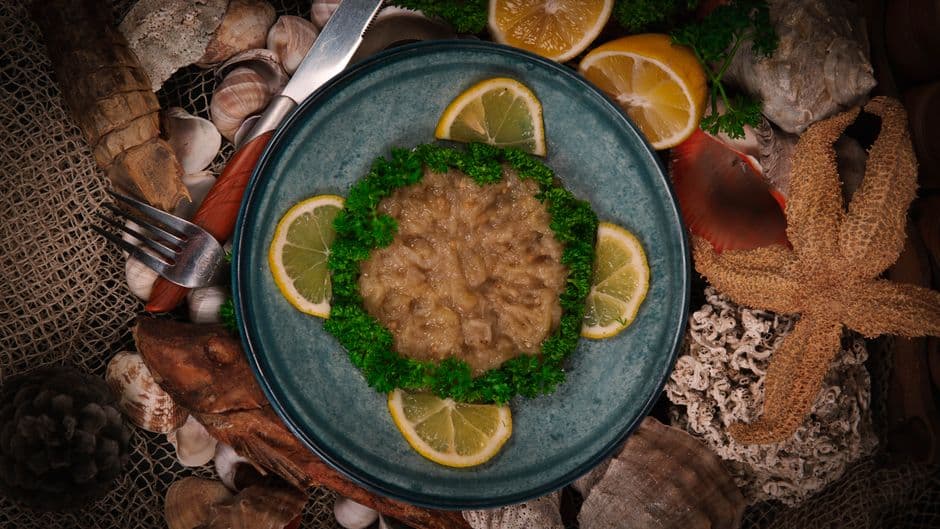
Közlenmiş Patlıcan (Grilled Eggplant Salad)
Fire-charred eggplant strips dressed with garlic, lemon, and parsley — a versatile Turkish side dish and meze that showcases the transformative power of live fire.
About This Recipe
Közlenmiş patlıcan (common = coal-grilled) is a preparation that transforms humble eggplant into something extraordinary through direct fire contact. Unlike oven-roasted eggplant, grilling over charcoal or a gas flame with the slices directly on the grate produces three distinct zones of texture: char on the surface, soft cooked flesh beneath, and a concentrated, slightly smoky center. Turkish summer cooking is inseparable from the mangal (charcoal grill), and eggplant is one of the most prized grilling vegetables — its spongy interior collapses into silky strands, its skin blisters and chars to provide textural contrast, and its natural bitterness transforms into nutty sweetness at high heat. The dressing for grilled eggplant in Turkish cooking is typically simple: good olive oil, crushed garlic, fresh lemon juice, and a generous amount of chopped parsley or dill. Sometimes a teaspoon of sumac adds complexity; sometimes a drizzle of pomegranate molasses adds sweet depth. The eggplant is left to rest after grilling so the residual heat continues cooking the interior while the steam redistributes moisture. Sliced into strips and fanned on a plate with the dressing poured over, közlenmiş patlıcan is both visually appealing and deeply satisfying — a perfect accompaniment to grilled meats, a substantial meze on its own, or the base for more elaborate preparations like karnıyarık.
Ingredients
Serves 4
- 3 largeeggplants(about 1kg total)
- 3 clovesgarlic(minced)
- 4 tbspextra-virgin olive oil
- 2 tbspfresh lemon juice
- 1/2 cupflat-leaf parsley(chopped)
- 1 tspsumac
- salt and black pepper(to taste)
Instructions
- 1
Prepare and Grill
Slice the eggplants lengthwise into 1.5cm thick slabs. Brush generously with olive oil on both sides and season with salt. Place directly on a preheated charcoal grill or gas grill on high heat. Grill for 5-7 minutes per side until deeply charred, with visible grill marks and the flesh fully soft when pressed.
Don't move the eggplant during the first 5 minutes — you need the char to develop and the eggplant to release from the grate naturally.
- 2
Rest the Eggplant
Transfer grilled slices to a plate and cover with foil or another plate. Let rest for 5-10 minutes — the steam trapped inside continues cooking the eggplant to silky tenderness and makes it much easier to peel if desired.
- 3
Dress and Serve
Cut or tear the grilled eggplant into strips. Combine with garlic, remaining olive oil, lemon juice, salt, and black pepper. Toss gently. Arrange on a serving plate, scatter chopped parsley over the top, and dust with sumac. Serve warm or at room temperature.
Did you make this?
Rate it and help other cooks find the recipes that actually work.
One tap to sign in, and we'll save the rating you just picked.
Everything you need to plan your week — free
- Meal calendar
- Grocery list
- AI recipe ideas
Track what you eat
Snap your meal to log calories and macros, run fasting timers and track water in the free SnapCal app.
Pro Tips
- →
High heat is essential — eggplant needs very high direct heat to char properly without becoming waterlogged and mushy.
- →
Salt the cut eggplant 20 minutes before grilling and pat dry — this removes excess moisture and improves browning.
- →
Grilling over charcoal produces a significantly more complex, smoky flavor than gas grilling — worth the effort if possible.
- →
Sumac added just before serving keeps its tartness bright — add it after dressing, not before.
Variations
- •
With yogurt: serve the grilled eggplant on a bed of garlic yogurt (cacık base) for a richer dish.
- •
With tahini: drizzle tahini over the top for a Levantine flavor profile.
- •
Stuffed: leave grilled slices whole, top with seasoned ground meat or cheese, and roll.
Storage
Grilled eggplant with dressing keeps in the refrigerator for 2 days. The flavor deepens overnight. Bring to room temperature before serving — cold eggplant lacks the flavor and texture of room-temperature eggplant.
History & Origin
Eggplant cultivation in Turkey dates back over 2,000 years and is thought to have arrived from India via Persia. Turkish cuisine developed dozens of eggplant preparations, with the fire-grilled version being one of the oldest — directly roasting vegetables over coals is a cooking method predating any recorded Turkish history. The combination of grilled eggplant with garlic and olive oil is found throughout the Ottoman food legacy and continues to anchor Turkish grilling culture today.
Frequently Asked Questions
Can I make this without a grill?
Yes — a ridged cast-iron grill pan on the stovetop at maximum heat works well, though with less smoky flavor. Alternatively, use the oven broiler: brush with oil, place on a rack, and broil on highest setting for 6-8 minutes per side.
Do I need to peel the grilled eggplant?
The peel is edible and adds texture and slight bitterness — many Turkish recipes leave it on. If the char is very heavy, peel some of the blackest parts. The partially charred skin contributes to the smoky flavor and visual appeal.
Nutrition Facts
Per serving (180g / 6.3 oz) · 4 servings total
Time Summary
Have Questions?
Ask our AI cooking assistant anything about this recipe — substitutions, techniques, scaling.
Chat with AI Chef →Featured in Guides
This recipe is featured in the following curated guides:
More Turkish Recipes
You Might Also Like
Similar dishes from other cuisines around the world.
Browse by Ingredient
More recipes built around the same core ingredients.
Free Kitchen Tools
Calculators and converters that pair with this page — no signup needed.
Put This Into a Plan
Schedule it, shop for it, and track what you already have.
Read Next
Longer reads that go deeper on the ideas behind this dish.
Community
Join the conversation
Sign in to leave a comment and save your favourite recipes