
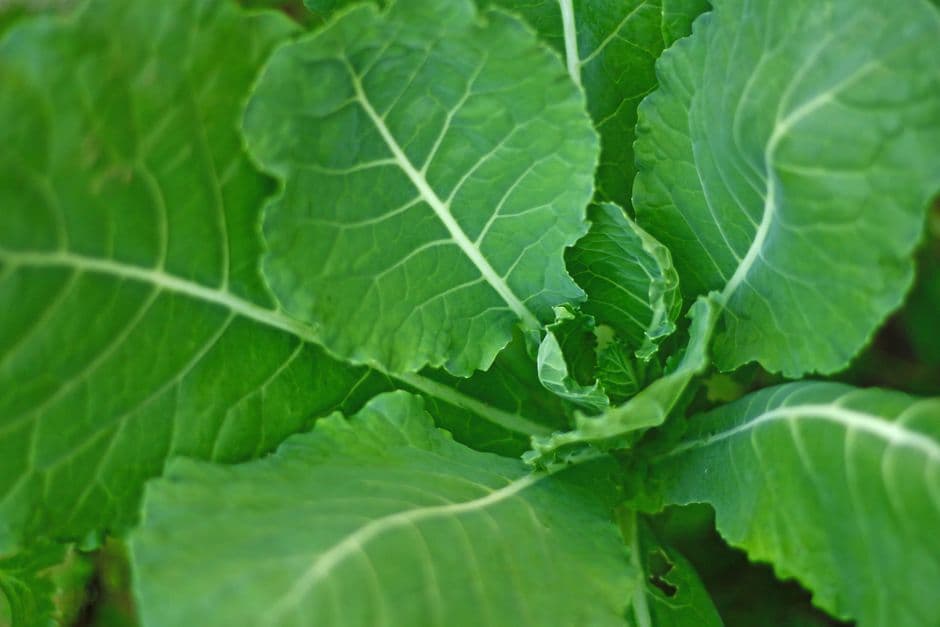
Gumbo Z'herbes (New Orleans Green Gumbo)
The legendary Creole green gumbo of Holy Thursday — at least seven leafy greens slow-simmered with smoked pork into a deep, mineral-rich Lenten stew over rice.
About This Recipe
Gumbo z'herbes — from the French 'gombo aux herbes' — is the cathedral of Creole green cookery, traditionally served on Holy Thursday in New Orleans Catholic households as the last great meal before the austerity of Good Friday. Legend holds you must include an odd number of greens, at minimum seven, and that for every green you cook with, you gain a new friend in the coming year; Leah Chase, the matriarch of Dooky Chase's Restaurant, famously used nine. The greens are blanched, the cooking liquor saved as a black-emerald 'pot likker,' then everything is finely chopped and folded back into a dark roux fortified with the holy trinity (onion, celery, bell pepper), garlic, thyme and bay. Although the strict Lenten version is meatless, the more common Creole table version is built on smoked ham hock, smoked sausage and pickled pork — what Chase called the 'sin' that snuck back in once Easter approached. The result has the consistency of a thick, almost stew-like soup the color of wet pine bark, smelling powerfully of greens, smoke and bay, served over rice with a hot sauce on the side and a sprinkle of filé just before eating. It is the most labor-intensive gumbo in the Creole repertoire and arguably the most rewarding — a tonic dish, a religious dish, and a uniquely Afro-French-Native American invention that exists nowhere else.
Ingredients
Serves 8
- 1 bunchcollard greens, stems removed (about 300 g)
- 1 bunchmustard greens, stems removed (about 300 g)
- 1 bunchturnip greens, stems removed (about 300 g)(or beet tops)
- 1 bunchspinach (about 250 g)
- 1 bunchwatercress (about 150 g)
- 1 bunchflat-leaf parsley (about 80 g)
- 1 small headgreen cabbage, cored and shredded
- 1 bunchgreen-top carrot tops or radish tops (optional ninth green)
- 500 gsmoked ham hock or smoked turkey wing
- 300 gandouille or smoked Creole sausage, sliced 1 cm
- 250 gpickled pork or salt pork, diced (rinse if very salty)
- 120 mlneutral oil for roux
- 120 gall-purpose flour for roux
- 1 largeyellow onion, fine dice
- 2 stalkscelery, fine dice
- 1 largegreen bell pepper, fine dice
- 6 clovesgarlic, minced
- 2bay leaves
- 1 tspdried thyme
- 1 tspcayenne (adjust to taste)
- 2 tspfilé powder, to finish at the table
- cooked long-grain Louisiana rice, to serve
- Crystal or Tabasco hot sauce, to serve
Instructions
- 1
Wash the greens obsessively
Greens carry grit; wash each bunch in three changes of cold water in a deep sink until the water runs clear. Strip the fibrous central stems from collards, mustards and turnip tops — those never soften enough. Keep the bunches separate so you can stage them into the pot by toughness.
- 2
Blanch and reserve the pot likker
Bring a very large pot of water to a hard boil. Drop in the toughest greens (collards, then mustards, then turnip tops) for 5 minutes, then add the softer greens (spinach, watercress, parsley, cabbage) for 90 seconds more. Drain over a bowl — keep every drop of that dark green pot likker. You should have about 2 liters.
- 3
Chop the greens
Squeeze the cooked greens by handfuls until almost dry, then chop them very finely — old-school cooks ran them through a food grinder. The texture should be like a wet, dark green mince, not long ribbons. Set aside.
- 4
Render the meats
In a heavy 8-quart Dutch oven over medium heat, brown the ham hock and pickled pork in a film of oil, 8 minutes, then add the andouille and brown another 4 minutes. Lift everything out, leaving the rendered fat. This builds the smoky foundation that defines Creole gumbo.
- 5
Build the roux
Add the 120 ml oil to the pot with the rendered fat. Whisk in the flour and cook over medium-low, stirring constantly with a flat wooden spoon, 25–35 minutes until the roux is the color of milk chocolate. Do not walk away — a burnt roux turns the whole gumbo bitter, and you start over. The smell should be intensely toasty, like buttered popcorn.
- 6
Sweat the trinity
Add the diced onion, celery and bell pepper to the hot roux. The mixture will hiss and seize — keep stirring. Cook 6 minutes until the vegetables are soft and the roux clings to them. Add garlic, bay, thyme and cayenne and cook 60 seconds more.
- 7
Combine and simmer
Return the meats to the pot. Pour in the reserved pot likker plus enough water to reach 3 liters total. Bring to a boil, then reduce to a steady, lazy simmer. Cook uncovered 75 minutes, skimming any oil that rises and stirring every 15 minutes from the bottom.
- 8
Add the greens
Stir the minced greens into the pot. Simmer another 30 minutes — the gumbo should thicken to the consistency of a heavy stew. Taste for salt (the smoked meats may have done most of the work) and pull the ham hock to shred the meat, returning it to the pot.
If the gumbo seems thin, mash a few greens against the side of the pot to release more starch.
- 9
Rest, then serve
Pull the pot off the heat and let it sit 15 minutes — the flavors marry and the surface oil pools so you can skim it. Mound steamed long-grain rice in warm bowls, ladle the gumbo around, and pass filé powder, hot sauce and lemon wedges at the table. Never add filé directly to the simmering pot — it turns stringy.
Did you make this?
Rate it and help other cooks find the recipes that actually work.
One tap to sign in, and we'll save the rating you just picked.
Everything you need to plan your week — free
- Meal calendar
- Grocery list
- AI recipe ideas
Track what you eat
Snap your meal to log calories and macros, run fasting timers and track water in the free SnapCal app.
Pro Tips
- →
An odd number of greens is the tradition — seven, nine, or eleven. Pick the bitter ones (mustards, turnip tops) for backbone and the milder ones (spinach, cabbage, parsley) for body.
- →
The roux is the single hardest part; if you've never made a chocolate roux, do a practice batch with no greens at stake. A cast-iron pot makes the steady heat easier to control.
- →
Pickled pork is the secret Creole ingredient — find it in Black-owned Louisiana grocers or sub a 50/50 mix of salt pork and a splash of cider vinegar.
- →
Make it a day ahead; gumbo z'herbes is unanimously better on day two when the greens, smoke and roux fully integrate.
Variations
- •
Lenten version: omit all meats, build the roux with vegetable oil, and use smoked paprika plus a Parmesan rind for depth. Serve with crab boiled in the gumbo at the end.
- •
Leah Chase's nine-green version: add carrot tops and beet greens to the line-up; she also added a splash of bourbon at the end.
- •
Add a kilo of fresh shrimp in the final 5 minutes for a seafood-meat hybrid (Easter Monday tradition in some Creole homes).
- •
Swap roux for a thickening of okra cooked down with the greens — a closer link to the West African origins of gumbo.
Storage
Refrigerate up to 4 days in a sealed container; flavor peaks on day two. Freezes excellently for 3 months — cool fully, freeze flat in zip bags, thaw overnight and reheat gently with a splash of stock. Do not freeze if filé has been added.
History & Origin
Gumbo z'herbes traces to enslaved Africans in 18th-century Louisiana who blended West African greens-and-stew traditions with French roux technique and Choctaw filé powder. The Catholic Lenten observance of Holy Thursday adopted it as a meatless feast, and Leah Chase elevated it at Dooky Chase's during the civil rights era as a dish of communion served to Martin Luther King Jr. and Freedom Riders alike.
Frequently Asked Questions
Can I use frozen greens?
Frozen collards and spinach work in a pinch — use about 1.5 kg total — but you lose the bright pot likker that gives the gumbo its color and minerality. Fresh is dramatically better.
Why an odd number of greens?
It's Creole superstition tied to luck and Christian symbolism — seven sorrows of Mary, nine choirs of angels. Whether or not you believe, odd numbers force you to seek variety, which builds depth of flavor.
Why is my roux bitter?
You scorched it. Even a few black flecks ruin a roux. Start over with cool oil and lower heat next time, and use a wooden spoon to feel for any grit on the pot bottom — that's the warning sign.
Can I make this in a slow cooker?
Build the roux and sauté the trinity on the stovetop, then transfer everything to a slow cooker on low for 6 hours with the meats. Add the chopped greens for the final 90 minutes. Texture is slightly looser but flavor holds.
Nutrition Facts
Per serving (480g / 16.9 oz) · 8 servings total
Time Summary
Have Questions?
Ask our AI cooking assistant anything about this recipe — substitutions, techniques, scaling.
Chat with AI Chef →Featured in Guides
This recipe is featured in the following curated guides:
More American Recipes
You Might Also Like
Similar dishes from other cuisines around the world.
Browse by Ingredient
More recipes built around the same core ingredients.
Free Kitchen Tools
Calculators and converters that pair with this page — no signup needed.
Put This Into a Plan
Schedule it, shop for it, and track what you already have.
Read Next
Longer reads that go deeper on the ideas behind this dish.
Community
Join the conversation
Sign in to leave a comment and save your favourite recipes