
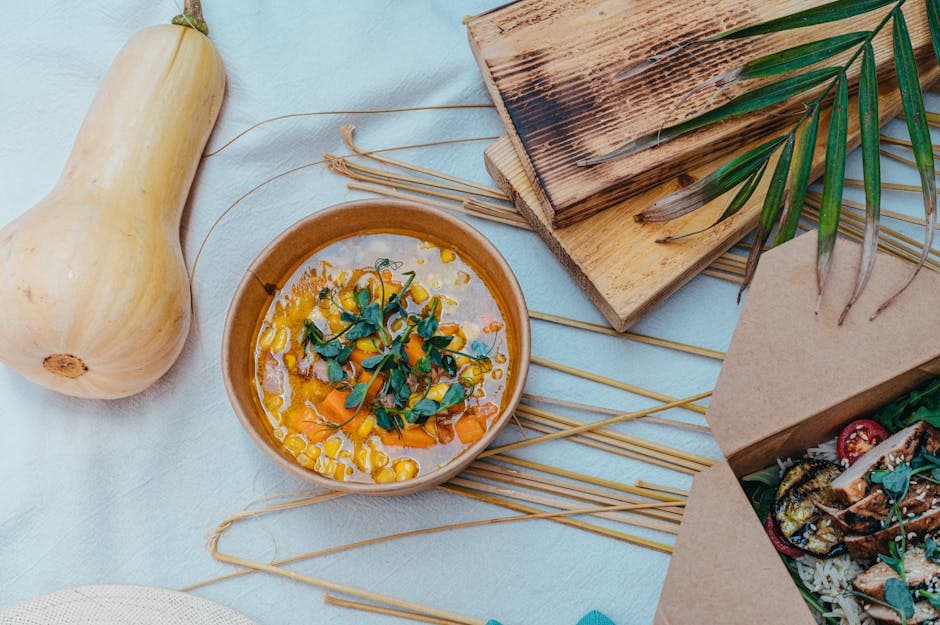
Soup Joumou (Haitian Freedom Squash Soup)
Haiti's UNESCO-listed independence-day soup: a velvety squash broth with beef, pasta, and root vegetables, served every January 1st.
About This Recipe
Soup Joumou is more than a soup — it is the edible declaration of Haitian independence. On January 1st, 1804, after defeating Napoleon's army and abolishing slavery, Haitians celebrated freedom by eating a soup of pureed giraumon squash that, under French colonial rule, had been forbidden to enslaved people and reserved for the white planter class. Every year since, every Haitian household — at home and across the diaspora — eats soup joumou on New Year's Day. UNESCO added it to the Representative List of the Intangible Cultural Heritage of Humanity in 2021. The soup itself is gentle and rich: West Indian pumpkin pureed into a golden base, then simmered with beef, cabbage, carrots, potatoes, plantain, vermicelli, and a thyme-and-Scotch-bonnet-perfumed broth. It tastes warm, slightly sweet, and unmistakably citrus-spiced.
Ingredients
Serves 8
- 1.2 kgkabocha or West Indian pumpkin, peeled, seeded, and cubed
- 700 gstewing beef (chuck), cubed
- 2 tbspepis (Haitian green seasoning) or 4 garlic cloves + 1 bunch parsley pureed
- 2limes, juiced (for cleaning the beef)
- 3 Lwater or unsalted beef stock
- 2 largecarrots, peeled and sliced
- 2 largepotatoes, peeled and cubed
- 1 smallwhite cabbage, cored and shredded
- 1green plantain, peeled and sliced
- 1 stalkcelery, sliced
- 1 smallyellow onion, halved
- 5 sprigsfresh thyme, tied
- 1whole Scotch bonnet pepper (NOT pierced)
- 100 gthin pasta (vermicelli or angel hair), broken into 5 cm pieces
- 60 mlfresh lime juice
- 2 tspfine salt, plus more to taste
- 1 tspfreshly ground black pepper
- 3 tbspolive oil
Instructions
- 1
Clean and marinate the beef
Rinse the beef cubes with the lime juice and a tablespoon of vinegar, then drain. Rub with the epis, salt, and pepper. Marinate at least 30 minutes — overnight in the fridge is better.
- 2
Brown the beef
Heat olive oil in a large heavy pot. Brown the beef on all sides, 8 minutes total. Don't overcrowd — work in two batches if needed.
- 3
Start the broth
Add the onion halves, celery, and thyme to the pot. Pour in 3 L water. Bring to a boil, skim, then simmer covered for 60 minutes until the beef is fork-tender.
- 4
Cook the squash
While the beef simmers, place the squash cubes in a separate pot, cover with 1 L water, and boil 20 minutes until very soft. Drain (reserving the cooking liquid) and puree the squash smooth with an immersion blender, thinning with reserved water to a soup consistency.
- 5
Combine
Add the squash puree to the beef pot. Add carrots, potatoes, plantain, and the whole Scotch bonnet (do not pierce — it perfumes without setting the soup on fire). Simmer 25 minutes.
- 6
Add cabbage and pasta
Stir in the shredded cabbage and broken pasta. Simmer 10–12 more minutes until the pasta is tender and the cabbage is silky but not falling apart.
- 7
Finish
Remove the Scotch bonnet, thyme bundle, and onion halves. Stir in the fresh lime juice. Taste for salt — the soup should be golden, lightly thick, slightly tangy, and gently warm with pepper.
- 8
Serve
Ladle into deep bowls. Each portion should have beef, root vegetables, cabbage, and pasta in the squash broth. Serve with crusty bread or a wedge of lime.
Did you make this?
Rate it and help other cooks find the recipes that actually work.
One tap to sign in, and we'll save the rating you just picked.
Everything you need to plan your week — free
- Meal calendar
- Grocery list
- AI recipe ideas
Track what you eat
Snap your meal to log calories and macros, run fasting timers and track water in the free SnapCal app.
Pro Tips
- →
Use kabocha squash if you can't find West Indian pumpkin (giraumon) — the texture and sweetness are nearly identical, much better than American pie pumpkin which is too watery.
- →
Do NOT pierce the Scotch bonnet — it must release perfume not heat. If it bursts in the pot, the entire soup becomes inedibly spicy.
- →
Epis (Haitian green seasoning) is the soul of the soup; if making from scratch blend parsley, scallions, garlic, thyme, bell pepper, and olive oil to a paste.
Variations
- •
Vegetarian soup joumou: skip the beef, double the squash and root vegetables, use vegetable stock — common during Lent.
- •
Add 200 g pumpkin seeds toasted and crushed on top for a Haitian-American restaurant flourish.
- •
Some families add macaroni instead of vermicelli — both are accepted.
Storage
Improves overnight. Refrigerate up to 4 days; the pasta will absorb broth — thin with stock when reheating. Freezes well without the pasta (add fresh pasta at reheating).
History & Origin
Soup joumou commemorates Haitian independence, declared January 1, 1804 — the world's first successful slave revolution. Under French colonial rule, enslaved Haitians were forbidden from eating squash soup, which was reserved for plantation owners. The first act of post-independence celebration was for every Haitian household to eat it. UNESCO inscribed soup joumou on the Intangible Cultural Heritage of Humanity list in December 2021.
Frequently Asked Questions
Why is soup joumou eaten on January 1st?
It marks Haiti's independence from France in 1804 — the first successful slave-led revolution in history. Eating the soup that was forbidden under slavery is an annual act of remembrance and freedom.
Is soup joumou spicy?
Traditionally only gently — the Scotch bonnet is simmered whole and removed before serving, contributing perfume rather than heat. Pierce or chop it for a much spicier soup.
What if I can't find epis?
Make it: blend 1 bunch parsley, 4 scallions, 6 garlic cloves, 1 small green bell pepper, 1 tablespoon thyme leaves, and 4 tablespoons olive oil to a coarse paste. Use 2 tablespoons per kilo of beef.
Nutrition Facts
Per serving (520g / 18.3 oz) · 8 servings total
Time Summary
Have Questions?
Ask our AI cooking assistant anything about this recipe — substitutions, techniques, scaling.
Chat with AI Chef →Featured in Guides
This recipe is featured in the following curated guides:
More Haitian Recipes
You Might Also Like
Similar dishes from other cuisines around the world.
Free Kitchen Tools
Calculators and converters that pair with this page — no signup needed.
Put This Into a Plan
Schedule it, shop for it, and track what you already have.
Read Next
Longer reads that go deeper on the ideas behind this dish.
Community
Join the conversation
Sign in to leave a comment and save your favourite recipes