
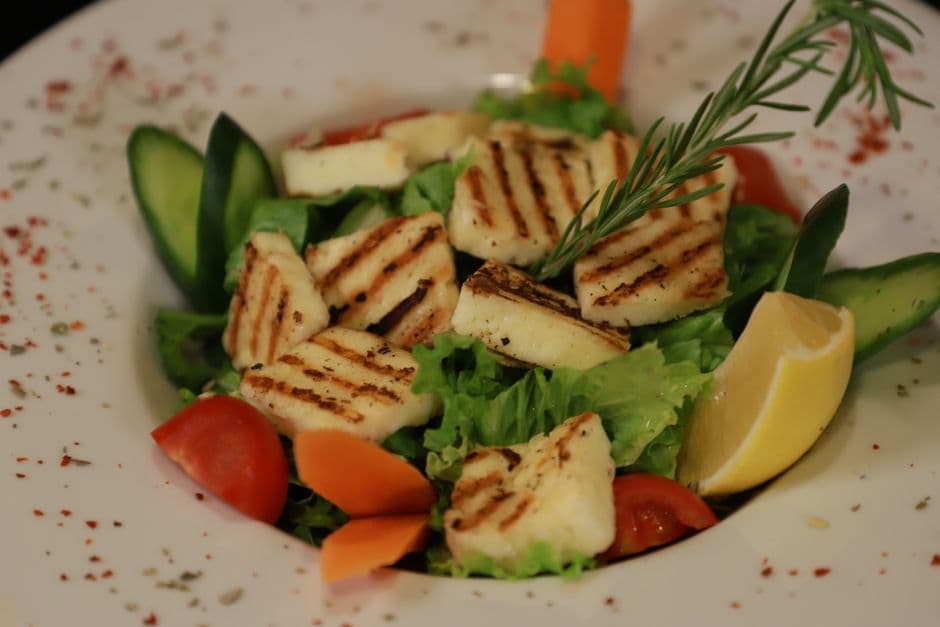
Halloumi Saganaki
Pan-fried halloumi cheese with lemon, a classic Greek-Cypriot appetizer.
About This Recipe
Saganaki is a beloved Greek-Cypriot dish of thick halloumi slices fried until golden and crispy on the outside while remaining soft inside. Traditionally finished with a squeeze of fresh lemon juice, this simple yet elegant dish is perfect as a starter or meze. Rooted in the everyday cooking of Greek Cypriot kitchens, Halloumi Saganaki balances technique and tradition: the halloumi cheese is treated with care, drawing on time-honoured ratios that locals have refined across generations. The dish carries an unmistakable sensory signature — aromas that fill the kitchen as it cooks, layered textures that reveal themselves bite by bite, and a depth of flavour that comes from patient seasoning rather than shortcuts. Whether served as a weeknight starter or as the centrepiece of a celebratory table, it reflects a regional pantry where local produce, seasoning habits and cooking vessels shape the final result. Home cooks who make this dish often note how forgiving it is once the core method is understood, and how a few small choices — the freshness of the halloumi cheese, the order of additions, the resting time at the end — separate a good version from a memorable one. This recipe walks through those choices so the dish arrives with the character it has on its home turf.
Ingredients
Serves 2
- 250 ghalloumi cheese
- 2 tbspolive oil
- 1 wholelemon
- 1 pinchdried oregano
- to tasteblack pepper
Instructions
- 1
Slice the cheese
Cut halloumi into 1/2-inch thick slices.
Keep cheese cold until cooking to maintain shape.
- 2
Heat olive oil
Heat olive oil in a skillet over medium-high heat until shimmering.
- 3
Fry the slices
Add halloumi slices and fry for 1-2 minutes per side until golden.
- 4
Finish and serve
Transfer to a plate, squeeze fresh lemon juice, sprinkle oregano and pepper.
Did you make this?
Rate it and help other cooks find the recipes that actually work.
One tap to sign in, and we'll save the rating you just picked.
Everything you need to plan your week — free
- Meal calendar
- Grocery list
- AI recipe ideas
Cook this hands-free
Get AI meal plans, step-by-step cooking mode, and your saved recipes in the free Bento app.
Pro Tips
- →
Serve immediately while still warm for best texture.
- →
Use high-quality halloumi cheese for better flavor.
- →
Source the freshest halloumi cheese you can find — it is the flavour anchor of the dish.
- →
Season in layers as you go; tasting at each stage prevents a flat or over-salted final result.
- →
Let the dish rest briefly off the heat before serving so flavours settle and texture stabilises.
Variations
- •
Add fresh mint leaves
- •
Sprinkle with sesame seeds before frying
- •
Vegetarian: replace the main protein with mushrooms, paneer, tofu or hearty beans for a meat-free version.
- •
Spicier: add fresh chilli, a chilli paste or a pinch of cayenne with the aromatics for a warmer profile.
- •
Lighter: reduce the fat by a third and use stock in its place — flavour stays intact but the dish feels less rich.
Storage
Best served fresh. Refrigerate leftovers and reheat in a pan. Refrigerate in an airtight container for up to 3–4 days. Reheat gently on the stove over low heat with a splash of water or stock to loosen, or microwave at 60% power covered so it warms without drying. Freezes well for up to 2 months in portioned containers; thaw overnight in the fridge before reheating. Dishes built on dairy or fried elements may shift in texture after freezing — refresh with a crisp garnish.
History & Origin
Saganaki dates back centuries in Greek and Cypriot cuisine, with halloumi being a staple cheese of the eastern Mediterranean for over 1000 years. Like many Greek Cypriot classics it evolved through home kitchens before earning a place on restaurant menus, and regional cooks still argue good-naturedly about the 'right' way to prepare it. The version below reflects the most widely cooked template, with notes where local practice diverges.
Frequently Asked Questions
Can I make Halloumi Saganaki ahead of time?
Yes — most components hold well in the fridge for a day or two. Reheat gently with a splash of liquid to bring it back to life.
What can I substitute for halloumi cheese?
If halloumi cheese is hard to find, the closest substitutes share its texture and water content. Adjust seasoning slightly since substitutes often carry less character of their own.
Is this recipe authentic to Greek Cypriot cooking?
It follows the most widely accepted home-cook template. Regional variants exist and we note the main ones in the variations section.
Why did my version turn out bland?
Usually under-seasoning or rushing the aromatic stage. Build flavour in layers, taste as you go, and finish with a touch of acid or salt to brighten the dish.
Nutrition Facts
Per serving (150g / 5.3 oz) · 2 servings total
Time Summary
Have Questions?
Ask our AI cooking assistant anything about this recipe — substitutions, techniques, scaling.
Chat with AI Chef →More Greek-cypriot Recipes
You Might Also Like
Similar dishes from other cuisines around the world.
Free Kitchen Tools
Calculators and converters that pair with this page — no signup needed.
Put This Into a Plan
Schedule it, shop for it, and track what you already have.
Read Next
Longer reads that go deeper on the ideas behind this dish.
Community
Join the conversation
Sign in to leave a comment and save your favourite recipes