
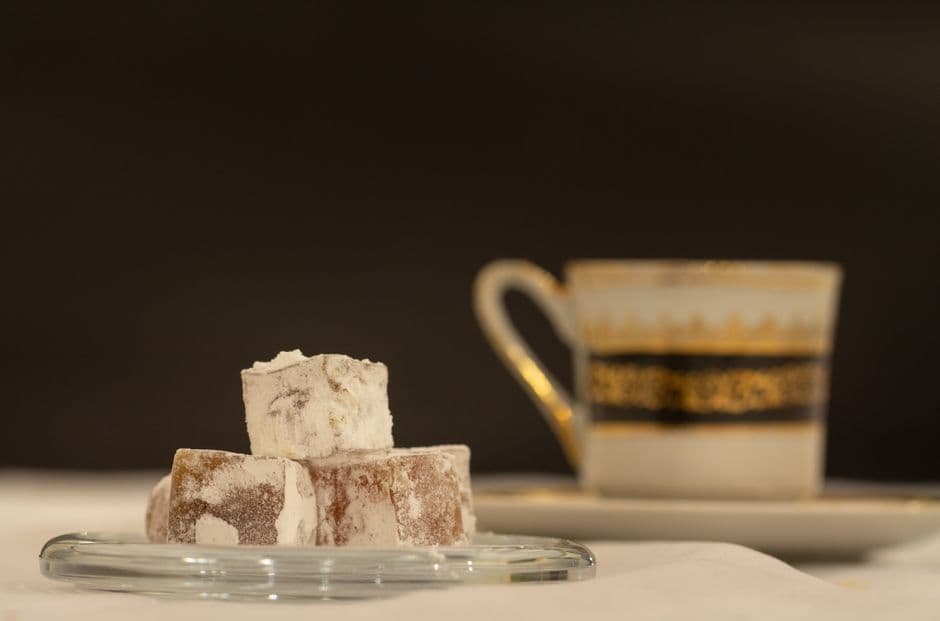
İrmik Helvası (Turkish Semolina Halvah)
Golden semolina toasted in butter with pine nuts, then set with hot syrup into a crumbly, aromatic confection — Turkey's most beloved comfort dessert.
About This Recipe
İrmik helvası — semolina halvah — is arguably the most emotionally resonant dessert in Turkish domestic cooking. Unlike the denser, sesame-based halvah (tahin helvası) sold in blocks, this is a cooked, yielding confection made by browning semolina in butter until deeply fragrant and nutty, then incorporating hot sugar syrup in a technique that requires confidence and constant stirring to achieve the characteristic crumbly-but-cohesive texture. The magic of iyi irmik helvası (good semolina halvah) lies in getting the semolina-to-butter ratio right and toasting the semolina long enough — at least 20 minutes over medium-low heat until it smells of toasted nuts and turns a rich golden-amber color. Many recipes are spoiled by impatience, with the semolina going in undertoasted and the result being pale and greasy. The syrup must be added to the toasted semolina rapidly and in one go, then stirred vigorously as it absorbs. Resting the halvah in the pan, covered with a cloth to absorb steam, allows the texture to set properly. It is traditionally served at funerals, circumcision celebrations, and after Ramadan prayers — the dish carries deep cultural significance in Turkish life.
Ingredients
Serves 6
- 2 cupscoarse semolina (irmik)
- 100 gunsalted butter (about 7 tbsp)
- 3 tbsppine nuts
- 2 cupswater
- 1.5 cupsgranulated sugar
- 1 cupwhole milk
- 1/2 tspground cinnamon(for serving)
Instructions
- 1
Make the Syrup
Combine water, milk, and sugar in a saucepan and bring to a boil over medium heat, stirring until sugar dissolves. Keep it hot/simmering on a back burner while you toast the semolina. The syrup must be hot when added to the semolina.
- 2
Toast Semolina and Pine Nuts
Melt the butter in a wide heavy-bottomed saucepan over medium-low heat. Add pine nuts and stir for 2 minutes until lightly golden. Add the semolina and stir continuously for 20-25 minutes over medium-low heat. The semolina should gradually turn a deep amber-gold color and smell strongly of toasted nuts — do not rush this step.
True patience here separates good halvah from mediocre. The semolina must reach a deep golden color and nutty aroma — pale semolina produces bland, greasy results.
- 3
Add Syrup
Turn heat to medium. Carefully pour all the hot syrup into the semolina at once — it will bubble and spit dramatically. Stir vigorously and constantly for 2-3 minutes until all liquid is absorbed and the halvah pulls away from the sides of the pan.
- 4
Rest and Set
Remove from heat. Place a clean kitchen cloth folded over the top of the pan and replace the lid (the cloth absorbs condensation). Let rest for 10-15 minutes undisturbed — this allows the halvah to set with the right crumbly texture.
- 5
Serve
Scoop into bowls or unmold onto a plate and dust generously with cinnamon. Halvah is traditionally served warm. Optionally accompany with kaymak (clotted cream) or a scoop of vanilla ice cream.
Did you make this?
Rate it and help other cooks find the recipes that actually work.
One tap to sign in, and we'll save the rating you just picked.
Everything you need to plan your week — free
- Meal calendar
- Grocery list
- AI recipe ideas
Track what you eat
Snap your meal to log calories and macros, run fasting timers and track water in the free SnapCal app.
Pro Tips
- →
The 20-minute toasting of semolina is non-negotiable — this step develops all the flavor. Set a timer and stir constantly.
- →
Keep the syrup hot when you add it — cold syrup added to hot semolina creates a steam explosion and uneven texture.
- →
The cloth-over-the-lid trick is a traditional Turkish technique that prevents condensation dripping back and making the halvah soggy.
Variations
- •
Fıstıklı helva: replace pine nuts with chopped pistachios.
- •
Sütlaç-style: pour the halvah into individual bowls and serve cold with a dusting of cinnamon — similar in spirit to rice pudding.
- •
Kuru kayısılı: fold in chopped dried apricots at the end for a fruity version.
Storage
Store in an airtight container at room temperature for up to 2 days. Reheat gently by covering with damp paper towel and microwaving in 30-second bursts, or warm in a pan with a splash of water.
History & Origin
Helva in various forms is documented across the entire Islamic world, and the Turkish word itself derives from the Arabic 'halwa' meaning sweet. Semolina-based helva has been made in Anatolia for at least six centuries. In the Ottoman palace kitchen records (matbah-ı âmire), helva of various types was prepared by a dedicated guild called helvacıbaşı. The tradition of preparing and distributing helva at funerals and major life events remains alive throughout Turkey today.
Frequently Asked Questions
Why is my halvah greasy or wet?
The most common cause is undertoasting the semolina — if not toasted long enough, it cannot absorb the syrup properly and the butter separates out. Toast until deeply golden and fragrant (at least 20 minutes). Also ensure the syrup is fully hot when added.
Can I use fine semolina instead of coarse?
You can, but coarse semolina (irmik) gives a better, more distinct crumbly texture. Fine semolina produces a smoother, more compact halvah. Many cooks prefer the textural contrast of coarse semolina.
Nutrition Facts
Per serving (180g / 6.3 oz) · 6 servings total
Time Summary
Have Questions?
Ask our AI cooking assistant anything about this recipe — substitutions, techniques, scaling.
Chat with AI Chef →Featured in Guides
This recipe is featured in the following curated guides:
More Turkish Recipes
You Might Also Like
Similar dishes from other cuisines around the world.
Free Kitchen Tools
Calculators and converters that pair with this page — no signup needed.
Put This Into a Plan
Schedule it, shop for it, and track what you already have.
Read Next
Longer reads that go deeper on the ideas behind this dish.
Community
Join the conversation
Sign in to leave a comment and save your favourite recipes